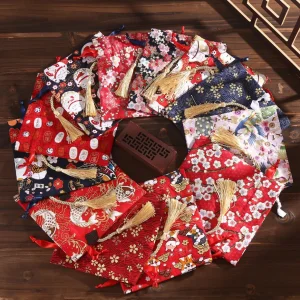
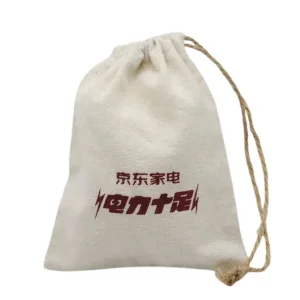
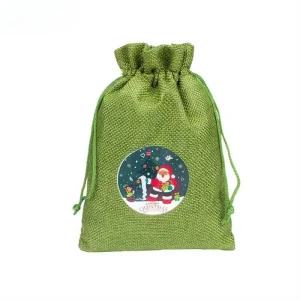
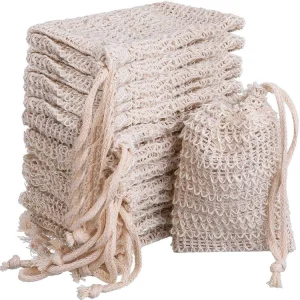
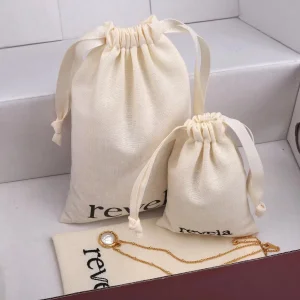
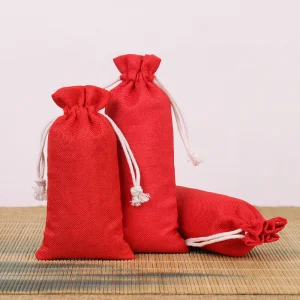
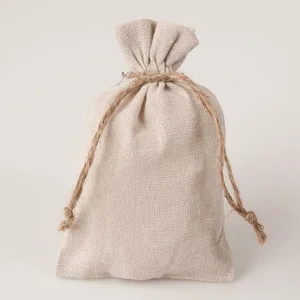
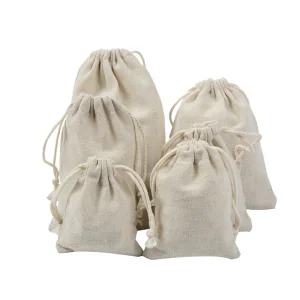
As the global economic environment shifts heavily toward environmental compliance and circular business models, the market for natural fiber packaging has graduated from niche aesthetic appeal to a core regulatory requirement. Among these materials, linen (sourced from the resilient Linum usitatissimum flax plant) stands out as a highly durable, structurally resilient, and compostable medium. A modern linen drawstring bag factory does not merely spin fabric; it custom-engineers organic packaging vectors that minimize carbon metrics for multi-national brands.
Flax cultivation requires significantly less irrigation and pesticides compared to conventional cotton. Global sourcing managers prioritize linen because of its microscopic carbon footprint, aligning directly with CSR mandates and EU packing regulations.
With high tensile strength under wet and dry conditions, linen fibers maintain shape and breathability. This protects sensitive electronic luxury products, high-grade organic teas, and artisanal baked goods from moisture collection and friction damage.
Modern end-users evaluate brand values through physical touchpoints. Tactile flax fabrics suggest rustic refinement and authentic luxury, which increases the perceived product value far more than synthetic plastics or low-grade non-woven alternatives.
Established in 2006, Shenzhen LAHD Bag Co., Ltd. has developed into a professional manufacturer and exporter specializing in high-performance gift packaging products and promotional packaging solutions. With nearly two decades of production experience, we have earned a global reputation for delivering top-tier manufacturing quality, competitive pricing structures, and highly reliable logistics integrations to Fortune 500 enterprises and scaling brands alike.
Our product capabilities span a massive, fully integrated catalog. While we excel in organic flax linen and jute fabric configurations, our specialized manufacturing floors produce:
These customizable packaging assets are optimized for jewelry, cosmetics, medical herbs, retail confectionery, corporate gifting, and luxury fashion accessories.
To maintain a consistent defect rate under 0.2%, Shenzhen LAHD Bag Co., Ltd. runs on a rigid, quality-controlled industrial workflow. Every linen drawstring bag proceeds through structured manufacturing steps utilizing specialized textile machinery.
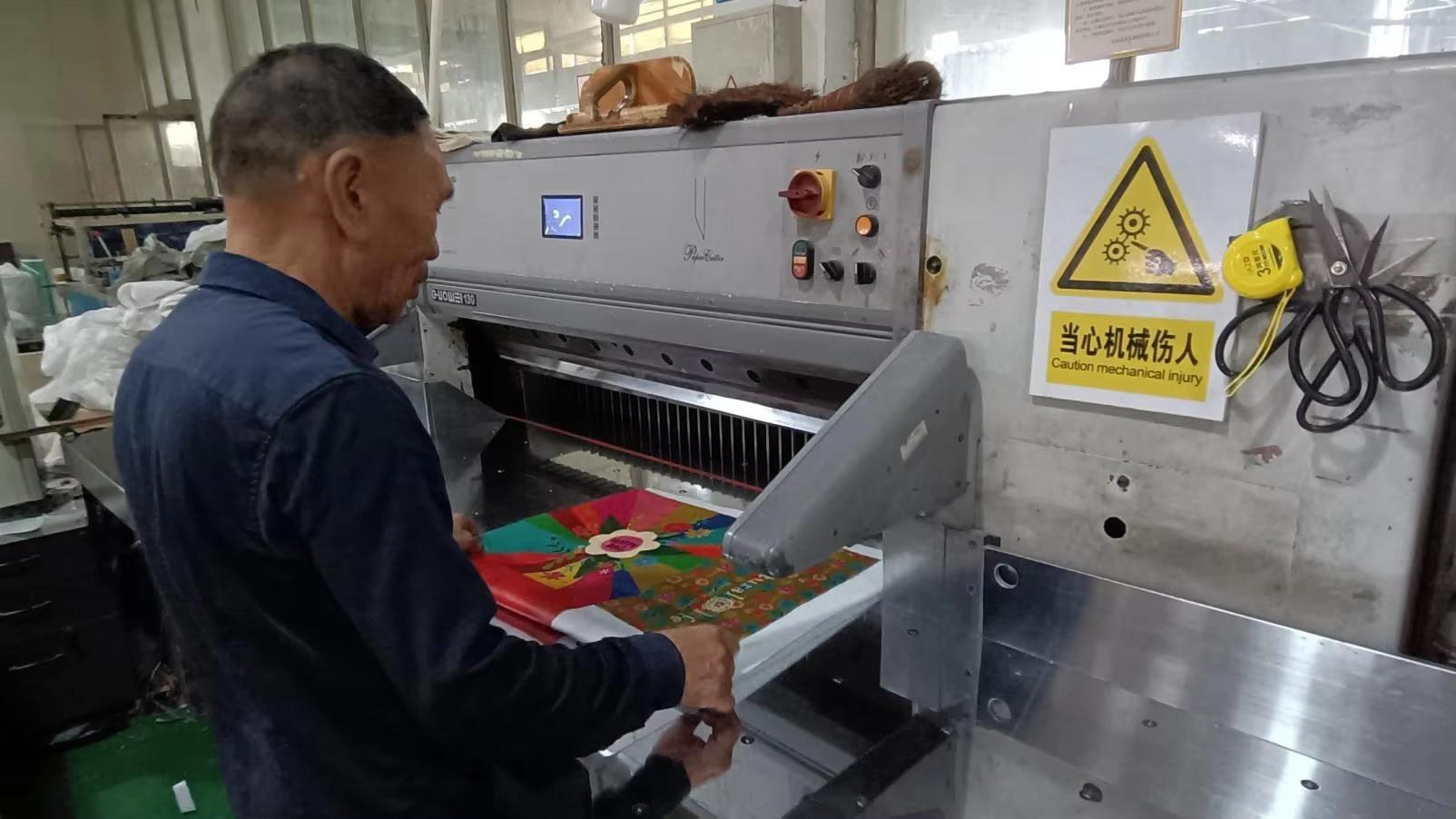
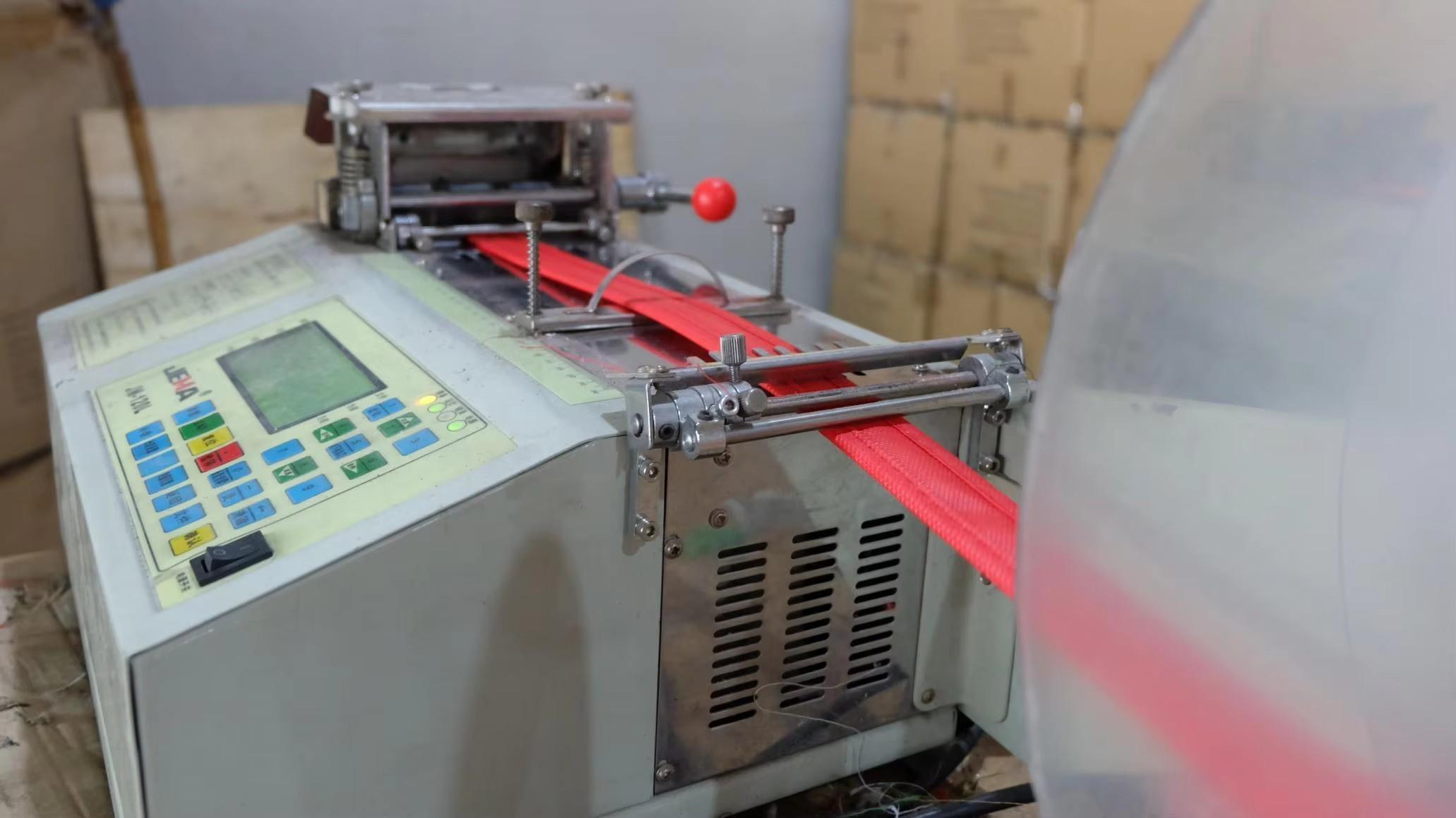
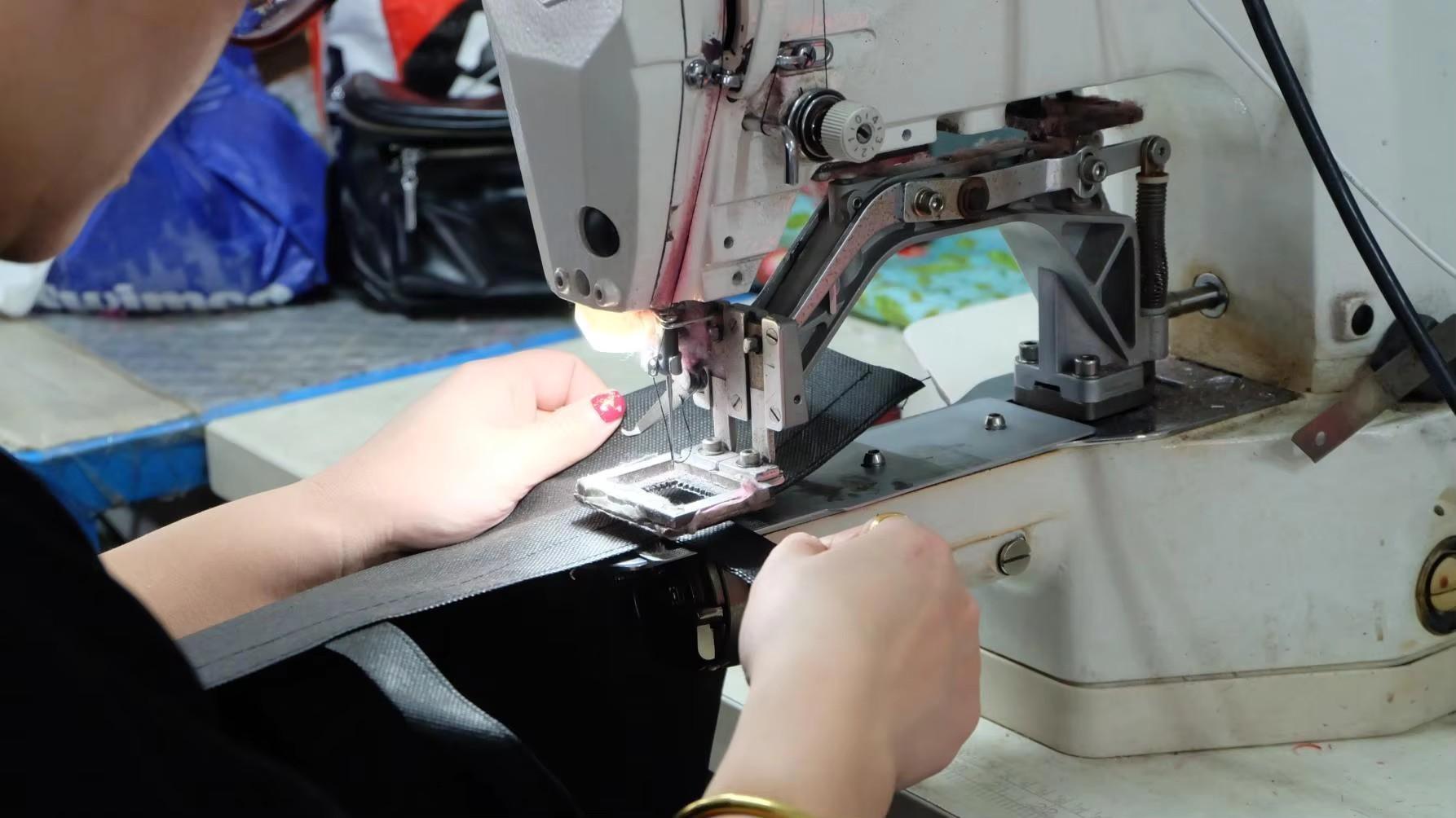
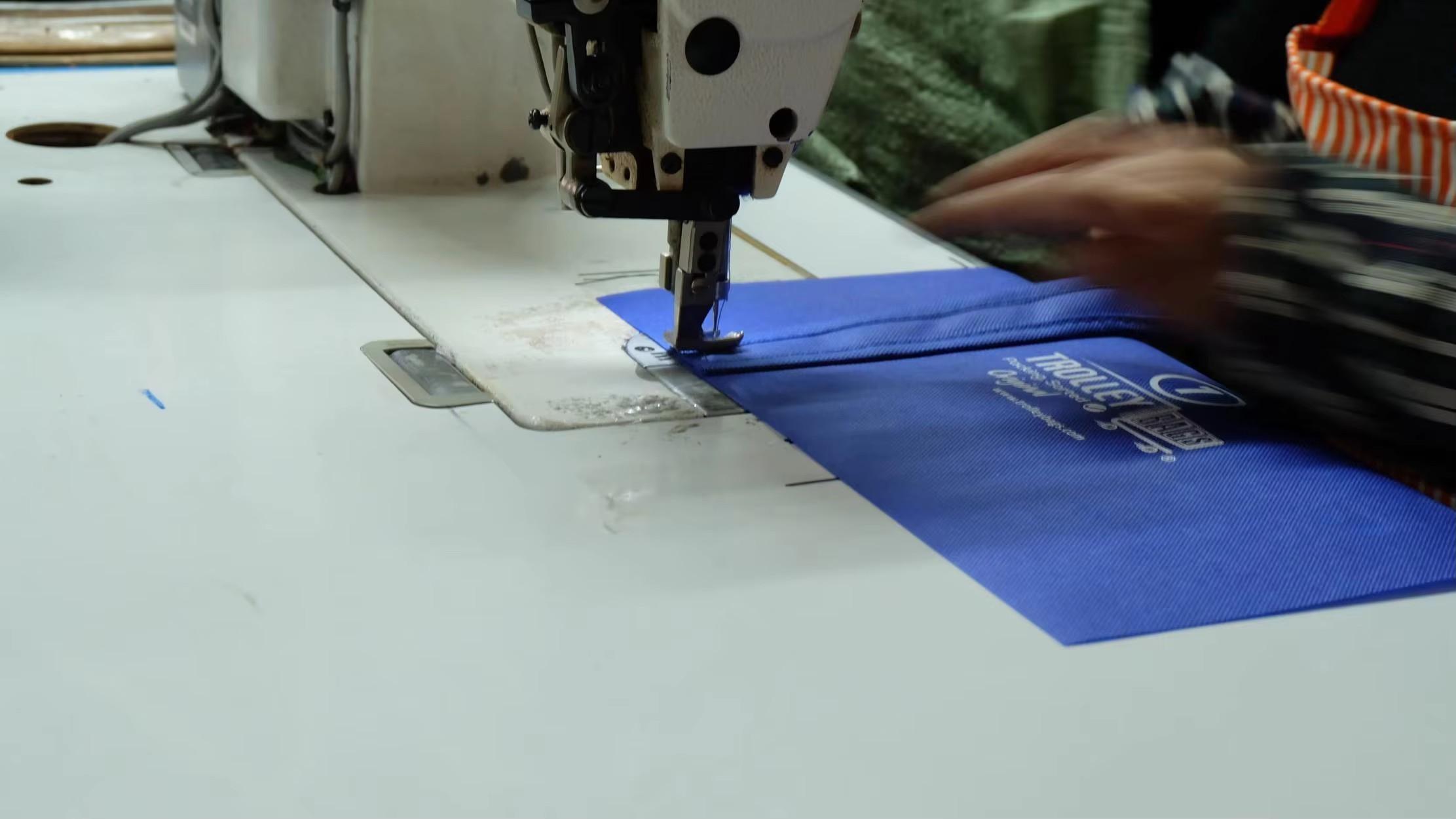
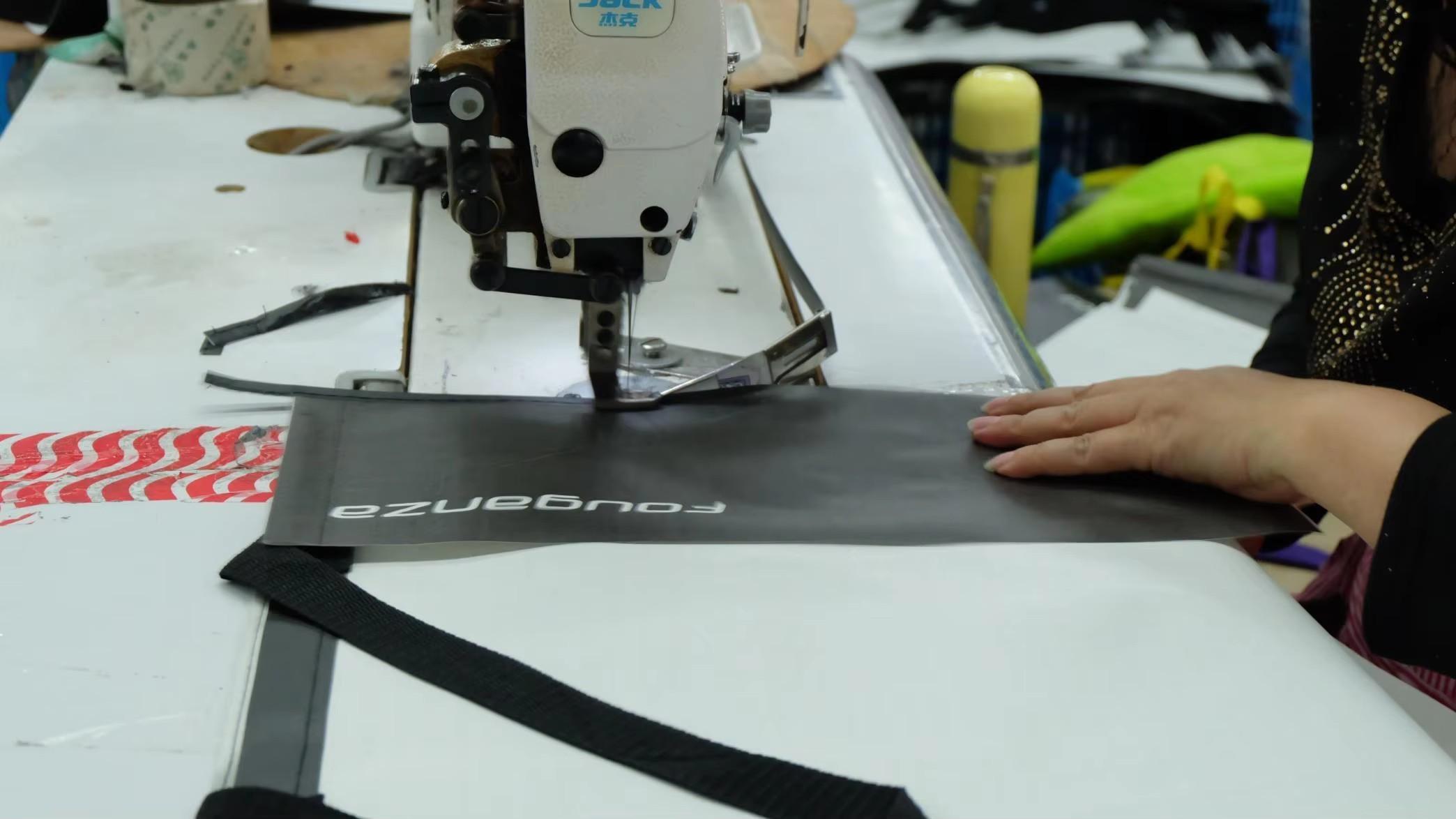
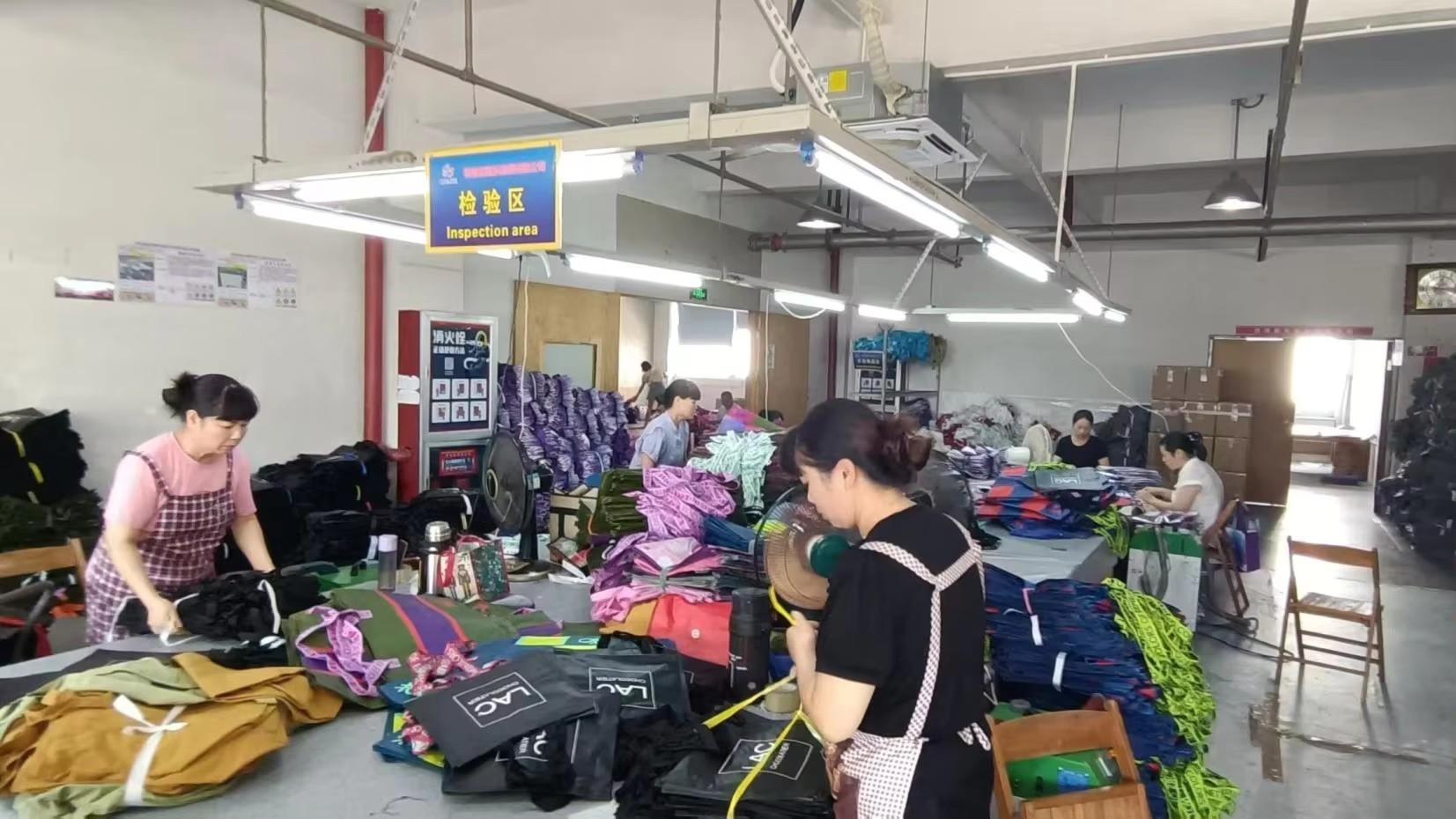
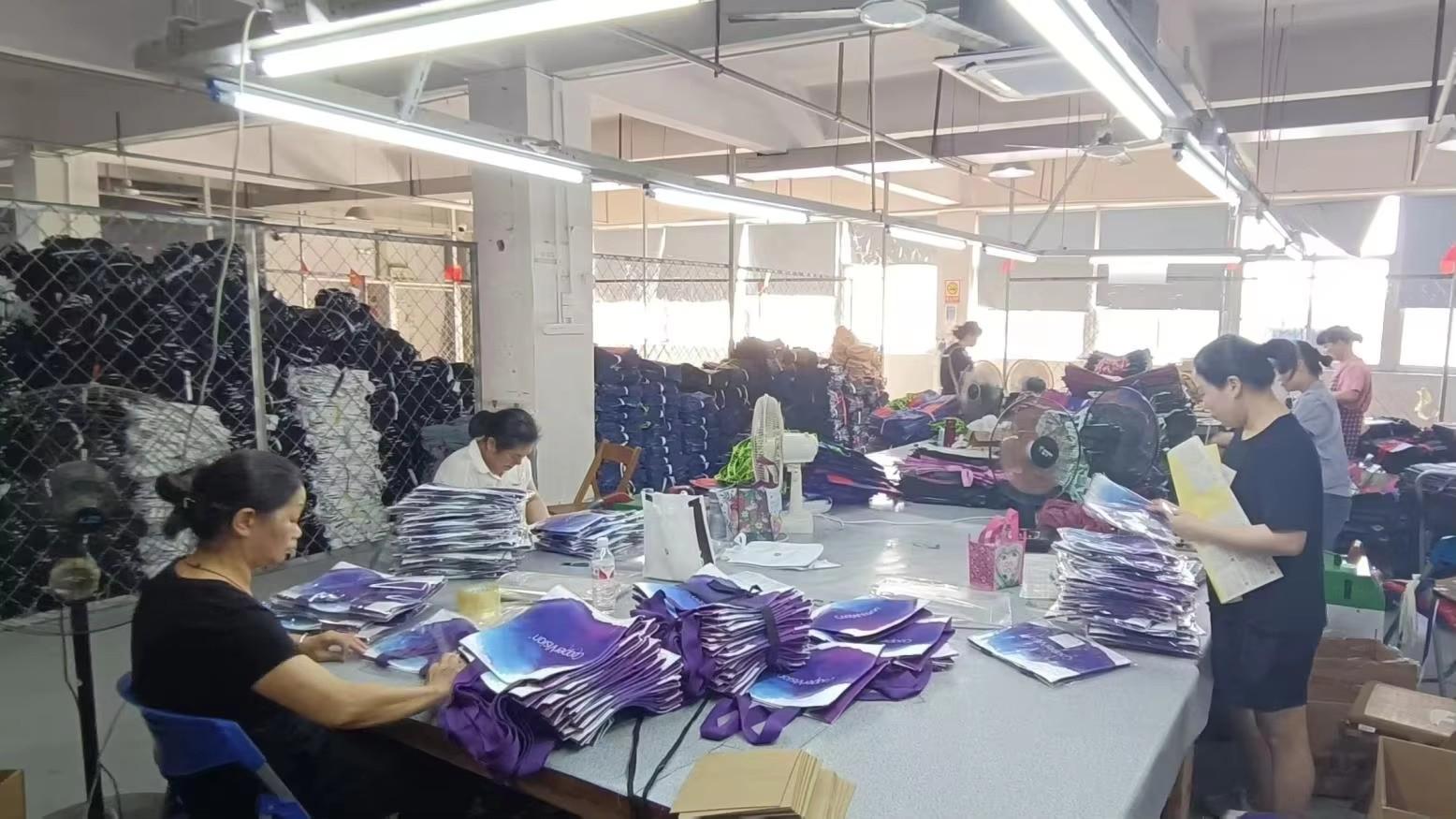
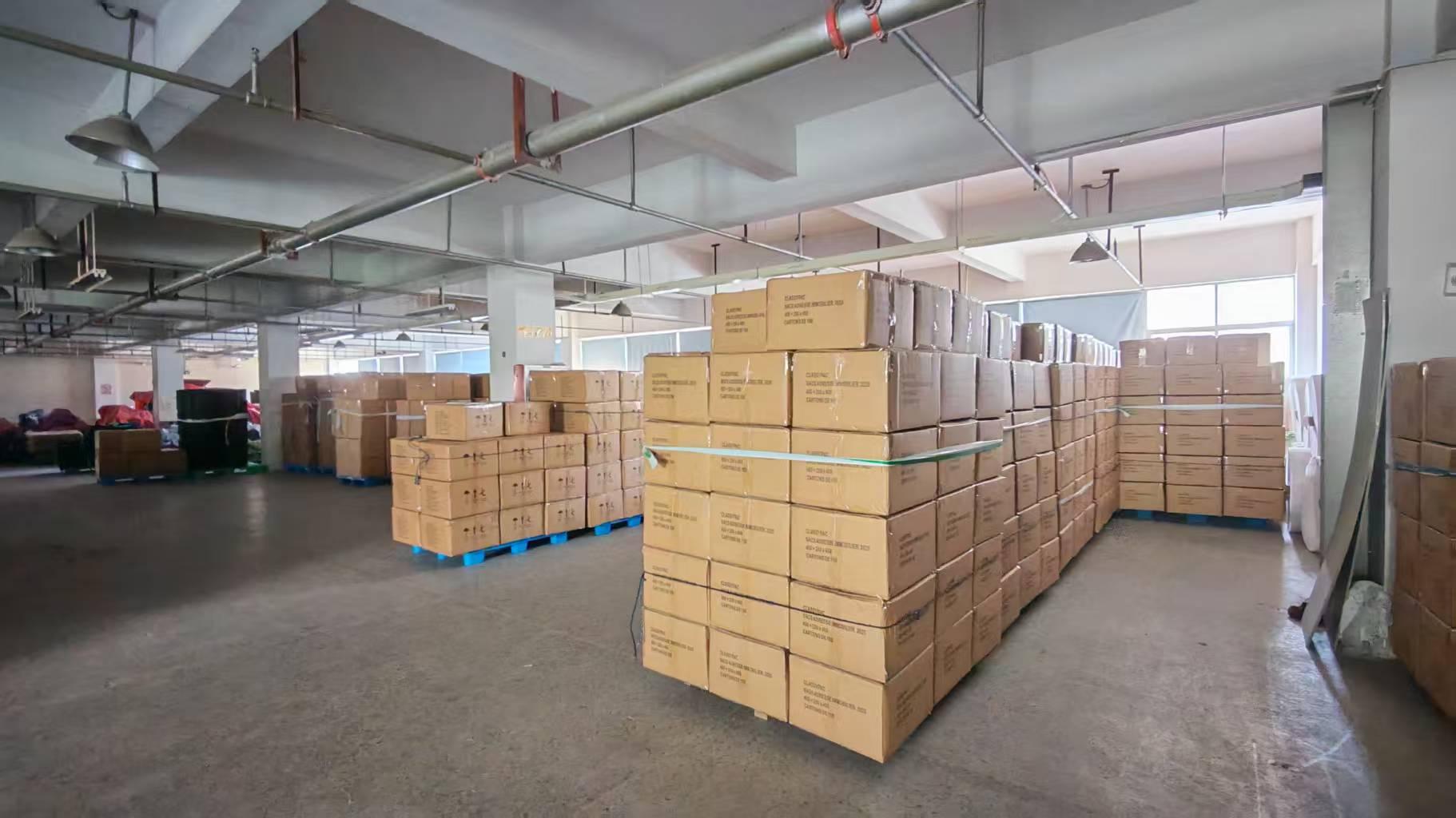
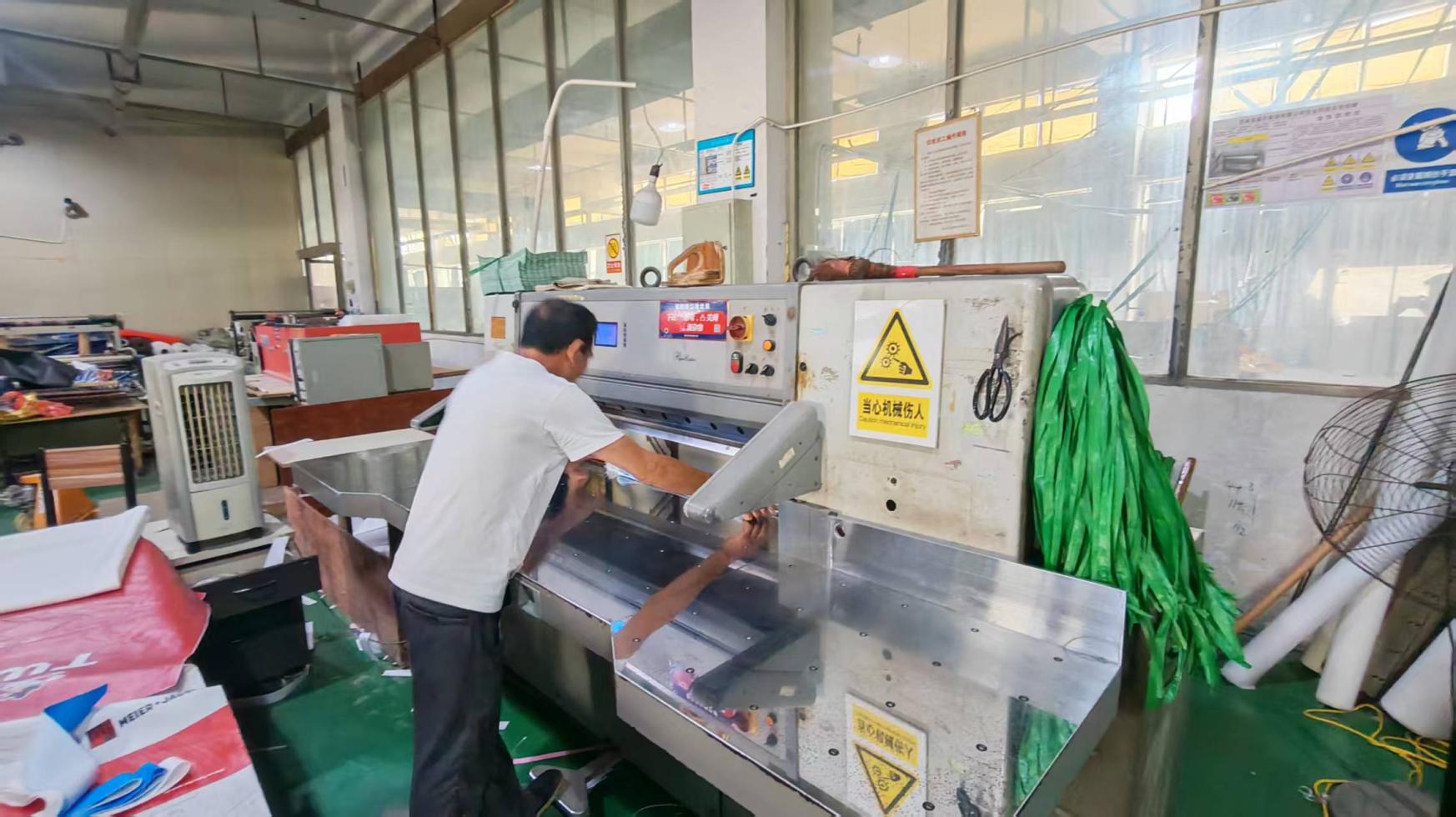
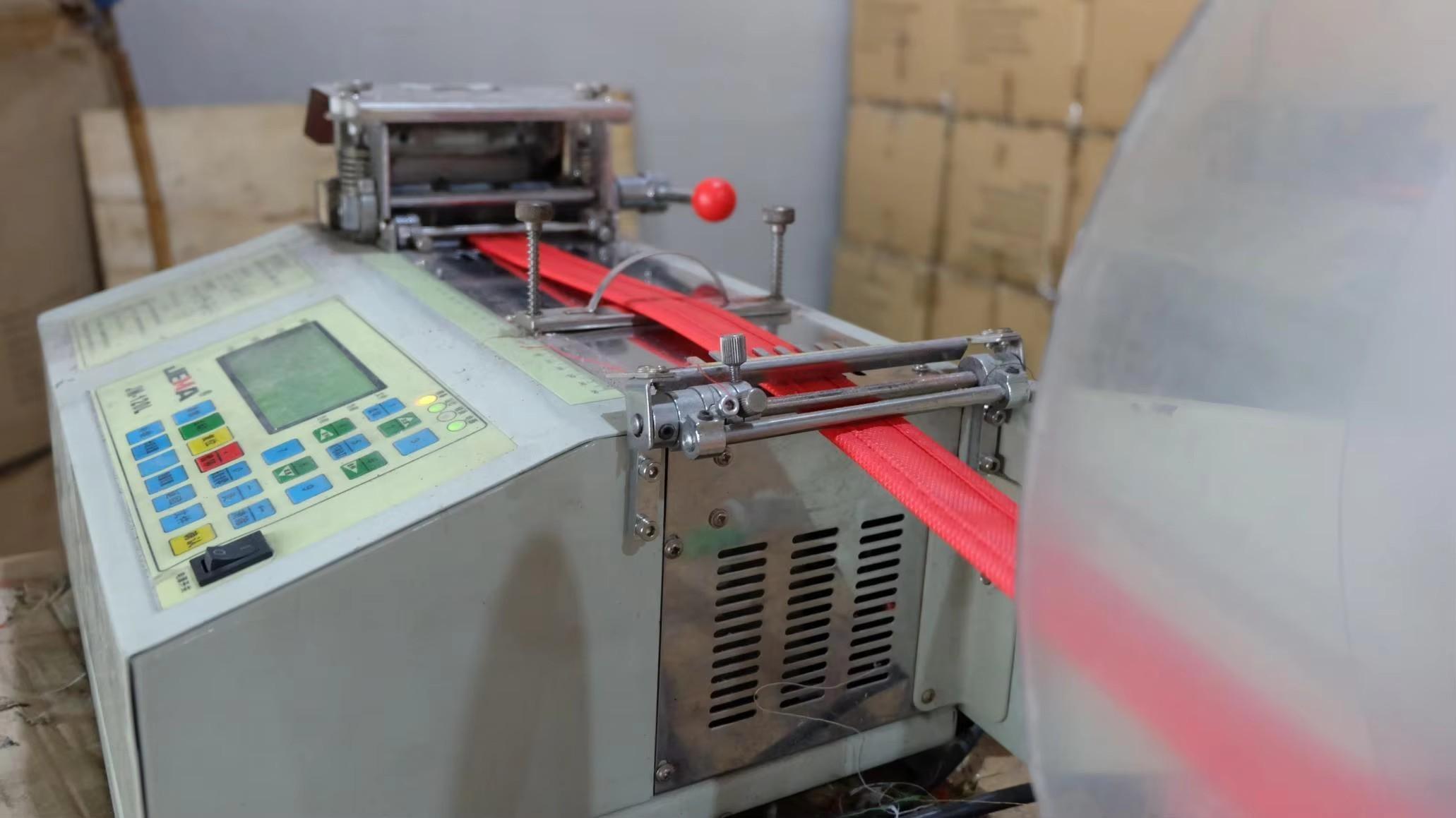
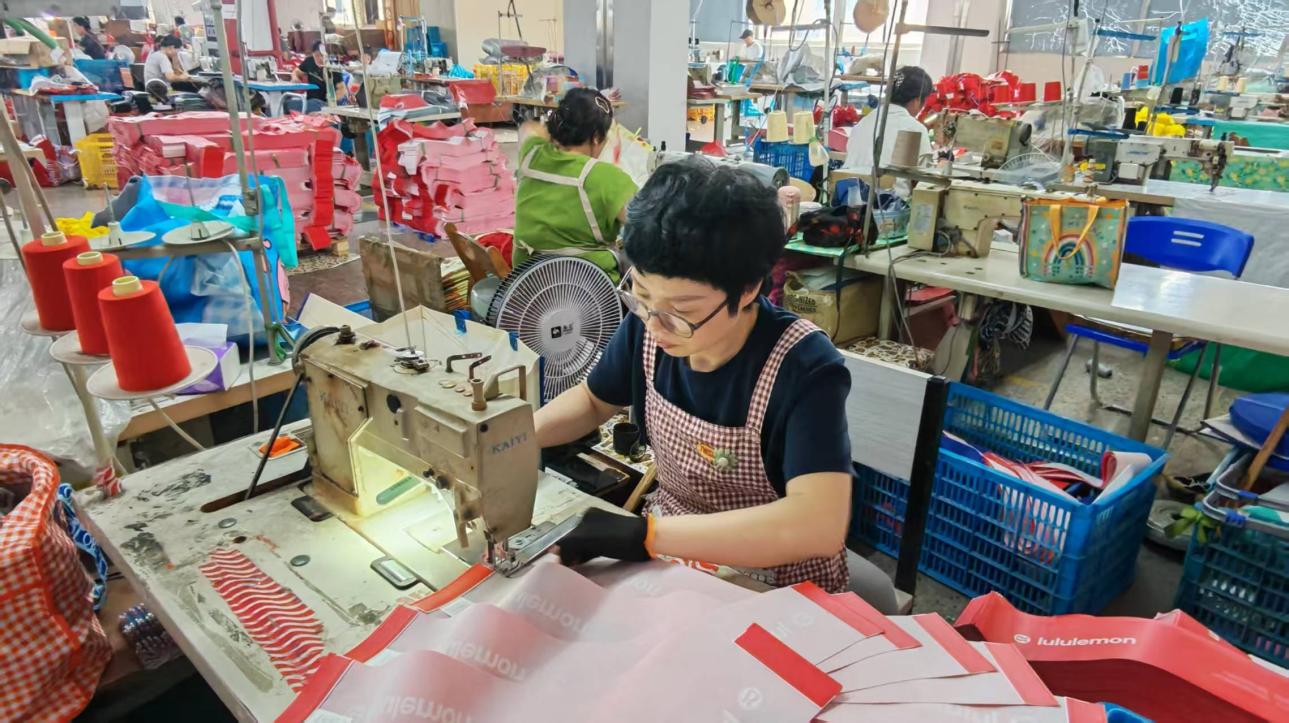
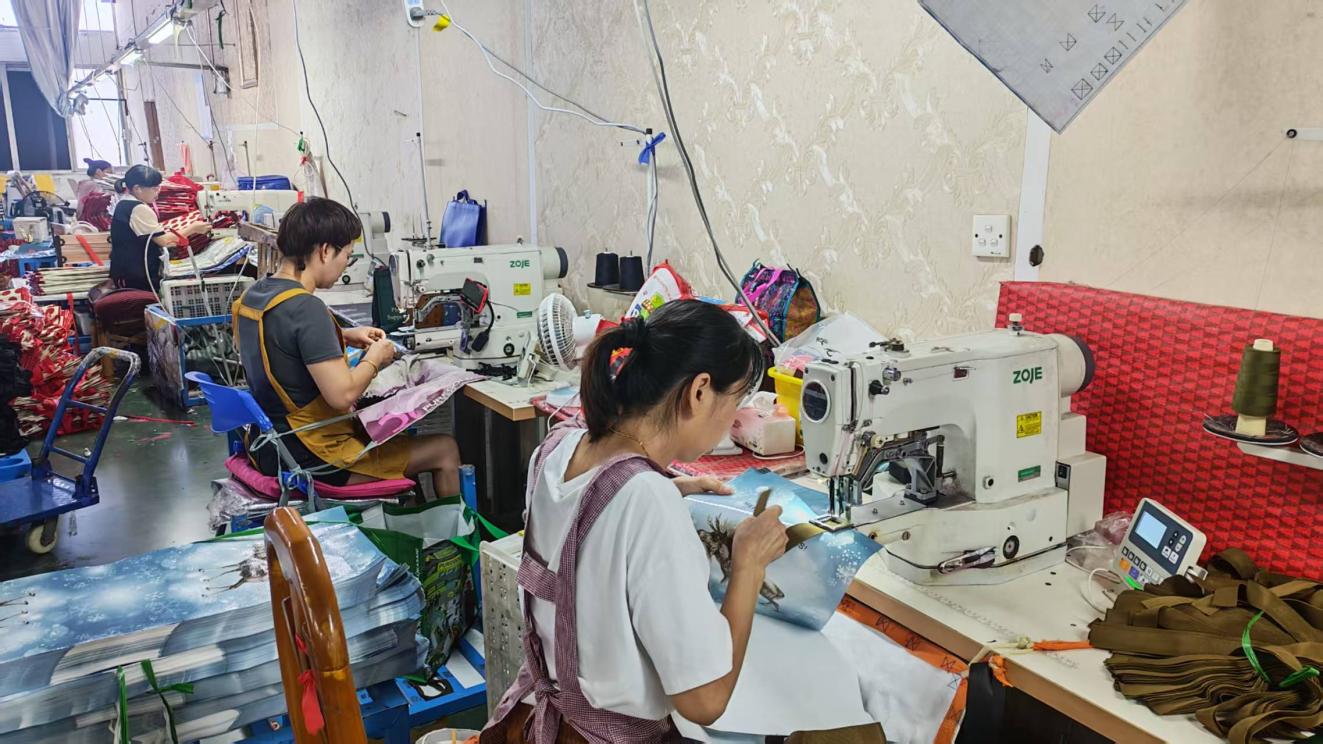
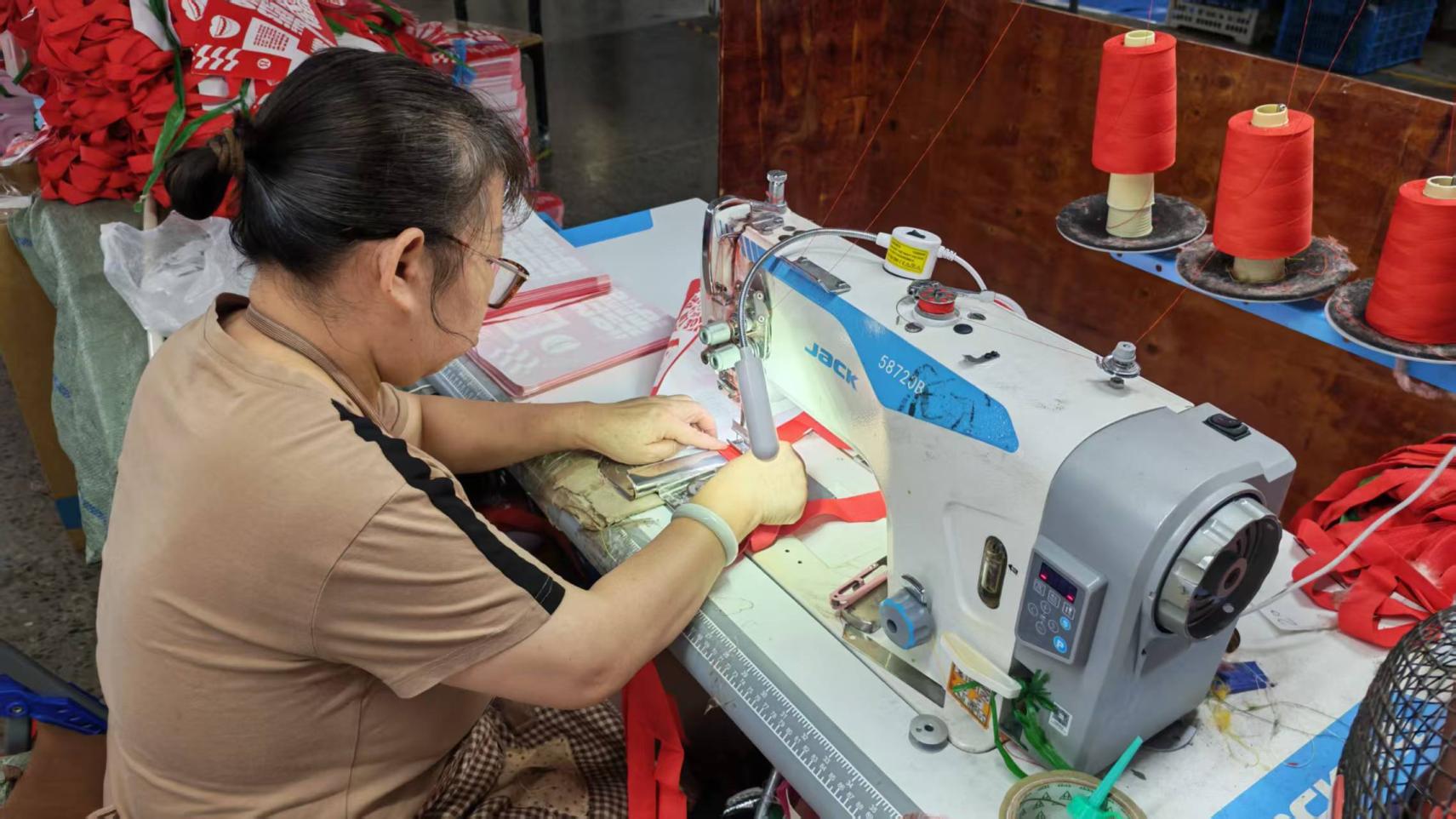
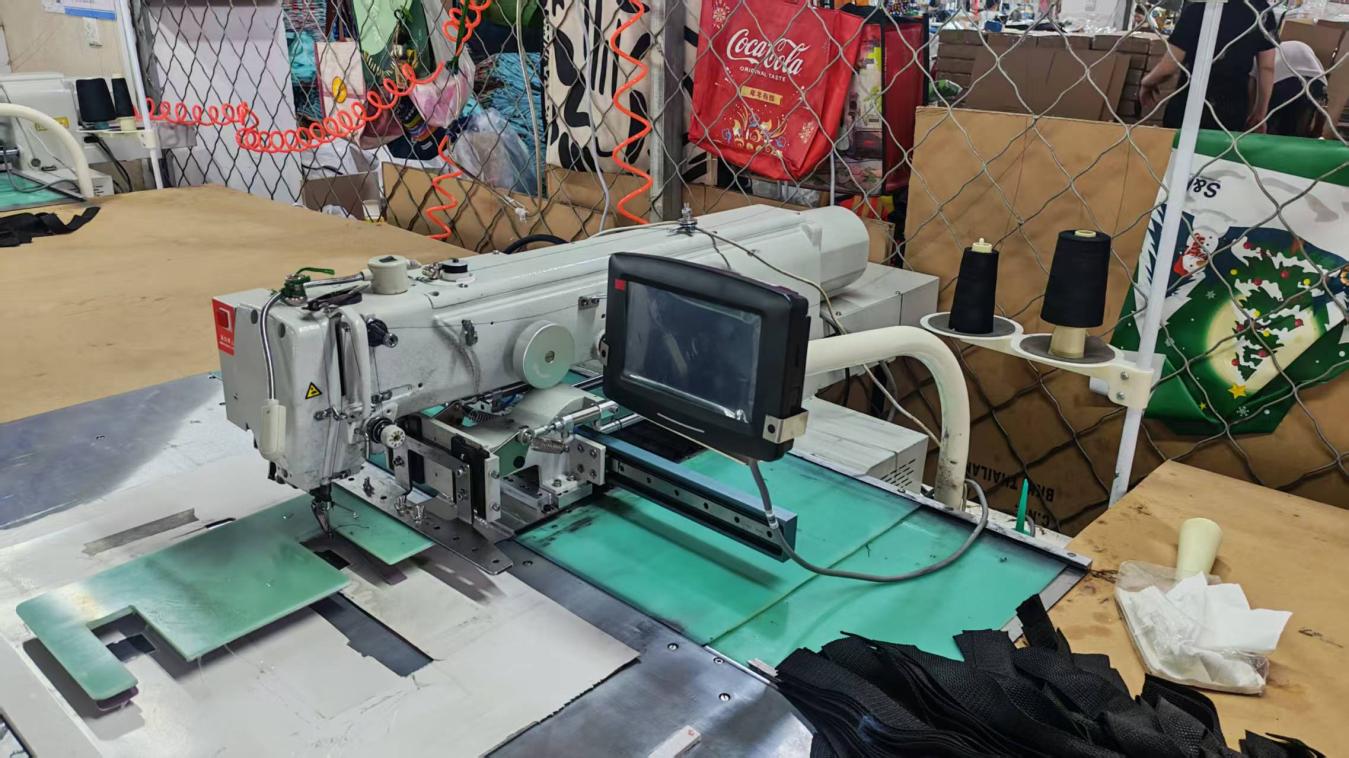
While linen fabric cultivation occurs globally, the downstream transformation of raw fibers into finished, branded drawstring pouches is highly concentrated in Chinese industrial centers. The efficiency of a Chinese manufacturing facility lies in its integrated ecosystem.
In industrial zones like Shenzhen, textile factories operate close to raw fabric mills, specialized printshops, dye houses, and shipping hubs. This geographic clustering cuts transit times for raw materials to hours, minimizing overall production lead times.
Chinese linen bag manufacturers use advanced machinery, including automatic laser cutters, high-speed slitters, computerized embroidery systems, and specialized pattern stitchers. This automation ensures clean seams, exact dimensions, and strong closures across large production runs.
By offering end-to-end OEM and ODM support, factories can quickly adjust layout patterns, print placements, and size profiles to match specific customer artwork. Our design department produces digital prototypes and physical samples, allowing for fast revisions before mass production.
Linen's versatility makes it a preferred packaging solution across many consumer segments. Understanding these end-use cases allows businesses to specify the ideal fabric weights, density weaves, and drawstring configurations for their target markets.
Top beauty brands utilize soft, natural-toned cotton-linen pouches with delicate drawstring closures to package organic creams, luxury oils, and serum bottles. The breathable, padded design helps shield fragile glass containers during distribution.
High-value metals and delicate gemstones benefit from soft, non-abrasive lining options. We combine organic flax exteriors with soft velvet or silk linings to create dual-layered drawstring pouches that protect against oxidation and scratching.
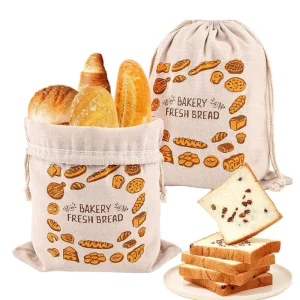
Because linen is naturally moisture-wicking and antimicrobial, it is an excellent material for packaging dried food items. Specialized bakeries, high-end tea merchants, and organic farms use custom linen bags to keep bread, dry leaves, and grains fresh.
Procuring packaging assets at volume requires balancing manufacturing cost with material safety and delivery reliability. Global packaging managers face challenges with material grading, quality variations, and regulatory compliance.
Ensure suppliers specify GSM (Grams per Square Meter). Higher GSM ranges (200-350) provide a heavy, durable drape, whereas lighter styles (120-180 GSM) offer cost efficiency for mass giveaways.
Confirm dye formulations are azo-free and compliant with international chemical regulations like REACH or Prop 65. Clean, food-grade inks are critical for food and cosmetic packaging.
Ensure sewing lines use a minimum of 4-5 stitches per centimeter. Double-needle overlock stitching prevents seam fraying when carrying heavier products.
Choose drawstrings that match the bag's aesthetic and weight requirements, selecting from options like braided cotton cords, hemp ropes, polyester satin ribbons, or rustic jute twines.
The packaging landscape is evolving rapidly. Our R&D team tracks three primary industry shifts that will guide future capital allocations and packaging designs:
Integrating natural starch-based liners adds oil resistance and waterproofing to linen bags without affecting their compostability. This expansion opens up new opportunities for food-service and hot-fill cosmetics packaging.
Weaving flax fibers together with organic cotton, bamboo, or hemp creates softer textures, unique visual patterns, and improved print clarity, all while maintaining the strength and durability of traditional linen.
Water-based digital inkjet printing on raw linen reduces energy consumption and chemical waste compared to traditional screen printing. This technology also allows for high-definition, multi-colored designs on short production runs.
Direct answers to technical queries from procurement managers and packaging engineers.
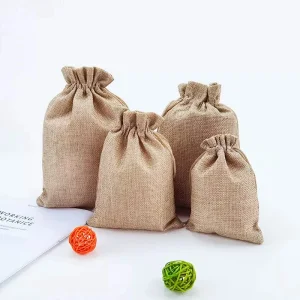
Pure linen is derived from the flax plant and features long, strong fibers that create a distinct, textured weave with natural shine. Cotton-linen blends incorporate soft cotton threads, reducing wrinkling and lowering the overall unit cost while maintaining a premium look. Jute (or burlap) features thicker, coarser fibers, making it ideal for heavier, rustic packaging applications.
We use the Pantone Matching System (PMS) to calibrate our inks and embroidery threads. During our pre-production phase, we create digital proofs and physical swatch samples for customer approval, verifying color consistency under standard industrial light booths.
Yes. Our pure linen and natural cotton-linen bags can be specified for food contact. We ensure these orders use unbleached, raw fabrics free from chemical finishes, and print logos with food-safe water-based inks.
Lead times depend on the size of the order and customization details. Generally, sample production takes 3-5 working days. Mass production is typically completed in 15-22 working days following sample approval and deposit confirmation.
 LAHD Bag