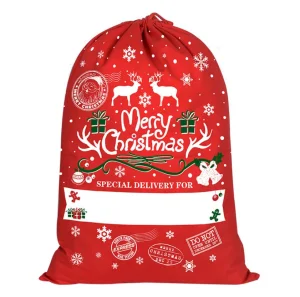
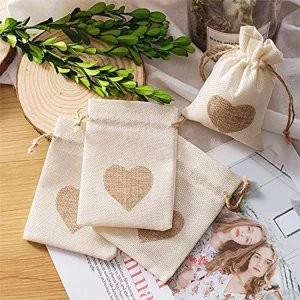
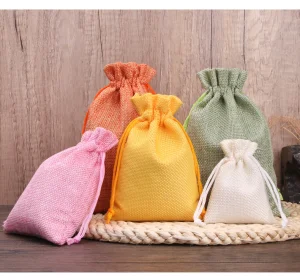
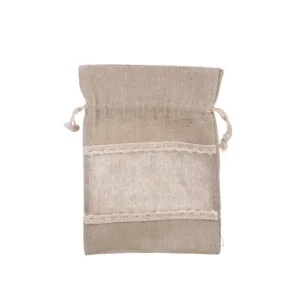
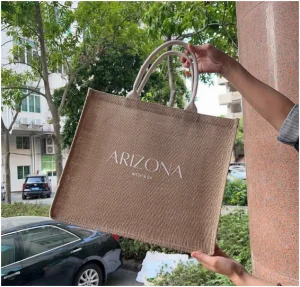
Explore our top-selling custom printed drawstring pouches, designed for durability, industrial packaging, and high-end brand presentations.
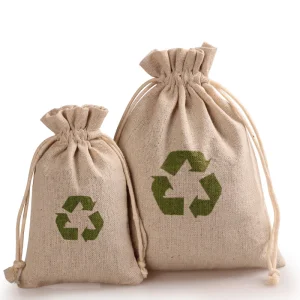
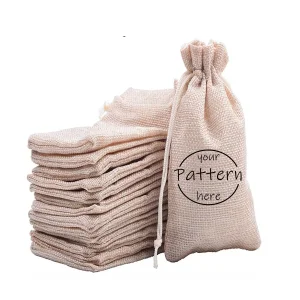
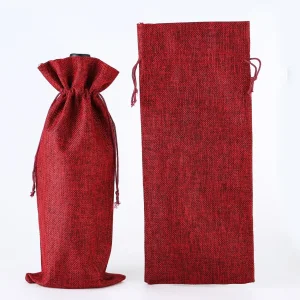
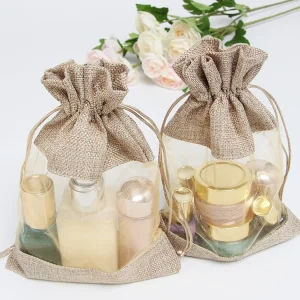
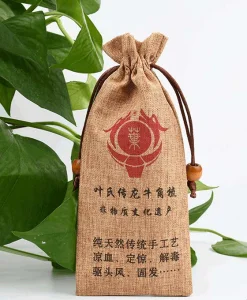
According to life cycle assessment (LCA) data, one hectare of raw jute cultivation absorbs approximately 15 metric tons of carbon dioxide ($CO_2$) and releases 11 metric tons of oxygen in a single 120-day growth cycle. This carbon sequestration potential vastly outperforms commercial forestry and petroleum-derived polymers. Globally, the demand for jute drawstring bags has shifted from basic commodity sacks to highly engineered, aesthetic, and functional packages. Industry verticals including luxury wine and spirits, organic coffee roasting, high-end cosmetics, and retail branding utilize customized jute pouches to physically communicate their commitment to a circular economy.
As a premier Jute Drawstring Bag Manufacturer & Exporter, Shenzhen LAHD Bag Co., Ltd. is positioned at the intersection of natural material engineering and precision manufacturing. By employing advanced manufacturing workflows, food-grade processing compliance, and specialized surface treatments, we ensure that our jute products meet the rigorous quality standards required by international distribution and retail networks across North America, the European Union, and Oceania.
Shenzhen LAHD Bag Co., Ltd. was established in 2006 and has developed into a professional manufacturer and exporter specializing in gift packaging products and promotional packaging solutions. With nearly two decades of industry experience, we have earned a strong reputation for providing high-quality products, competitive pricing, reliable delivery, and excellent customer service to clients around the world.
Our main product range includes organza bags, satin jewelry bags, velvet bags, cotton bags, jute bags, canvas bags, non-woven bags, nylon bags, mesh bags, shopping bags, drawstring bags, gift pouches, ribbons, cords, tassels, satin bows, and various customized packaging accessories. These products are widely used in jewelry packaging, cosmetics packaging, gift wrapping, wedding favors, promotional events, retail packaging, and luxury brand packaging.
Our experienced design and production teams continuously work to develop innovative packaging solutions that meet the changing demands of global markets. We welcome customized orders based on clients' specific requirements, including custom sizes, colors, materials, logos, printing, embroidery, and packaging designs. Our flexible production capabilities allow us to provide personalized solutions that help customers enhance their brand image and market competitiveness.
Over the years, we have established long-term business relationships with customers across:
Guided by the principles of integrity, quality, innovation, and customer satisfaction, Shenzhen LAHD Bag Co., Ltd. is dedicated to delivering stylish, eco-friendly, and cost-effective packaging products. We continuously invest in technology, production management, and product development to ensure we remain at the forefront of the packaging industry.
How Shenzhen LAHD Bag Co., Ltd. combines advanced machinery, process discipline, and logistics clusters to deliver superior turnaround times and material stability.
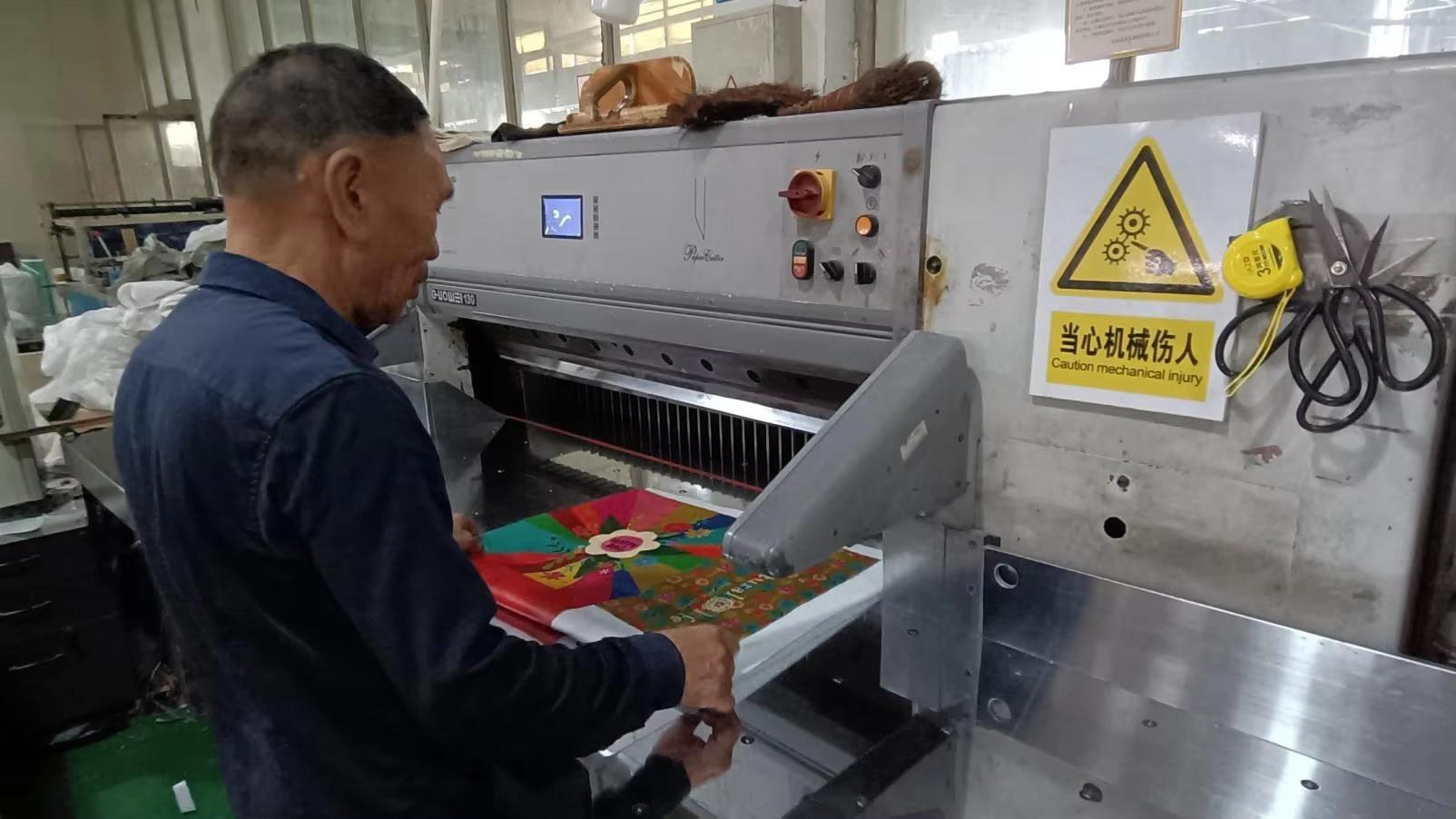
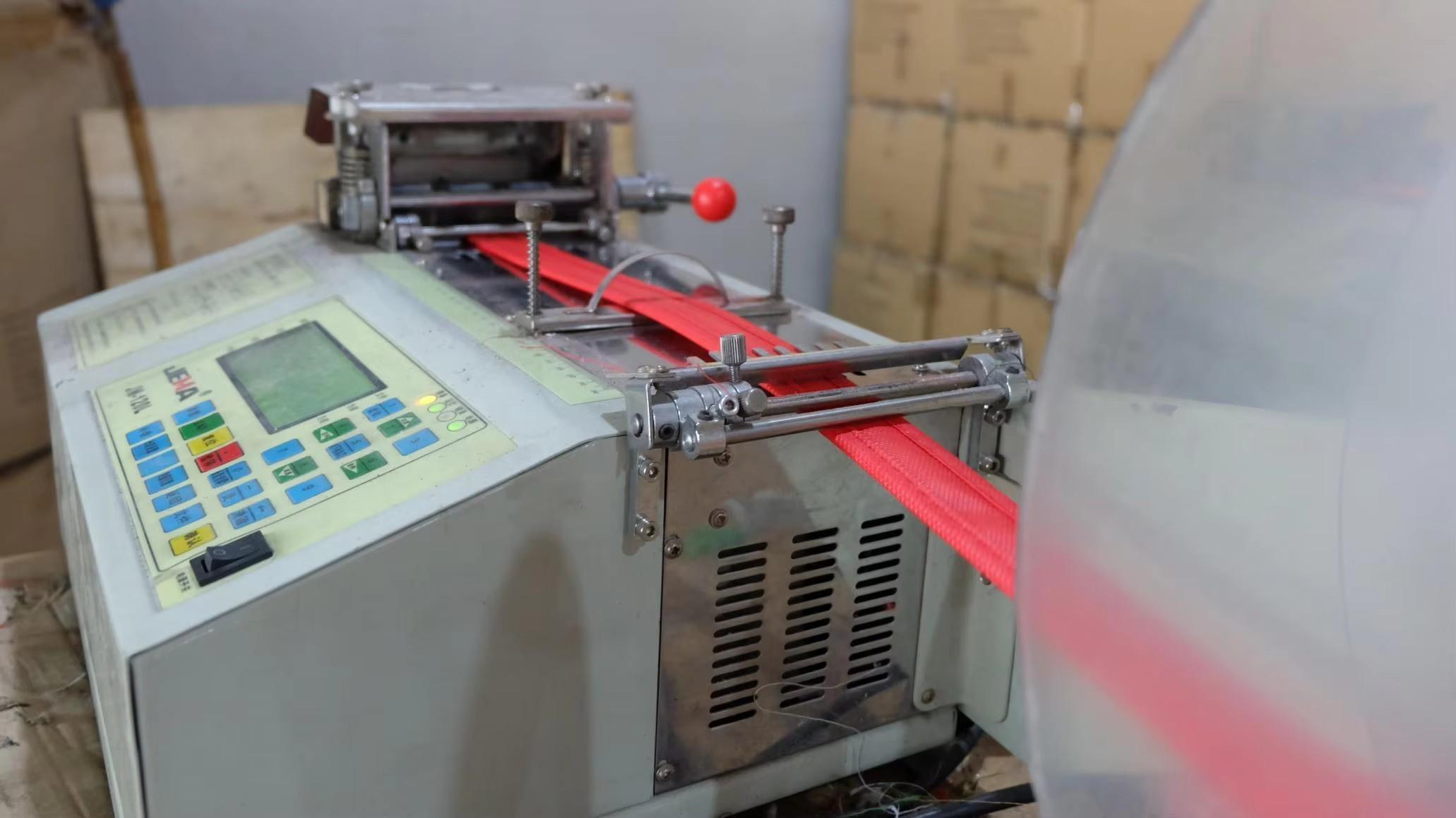
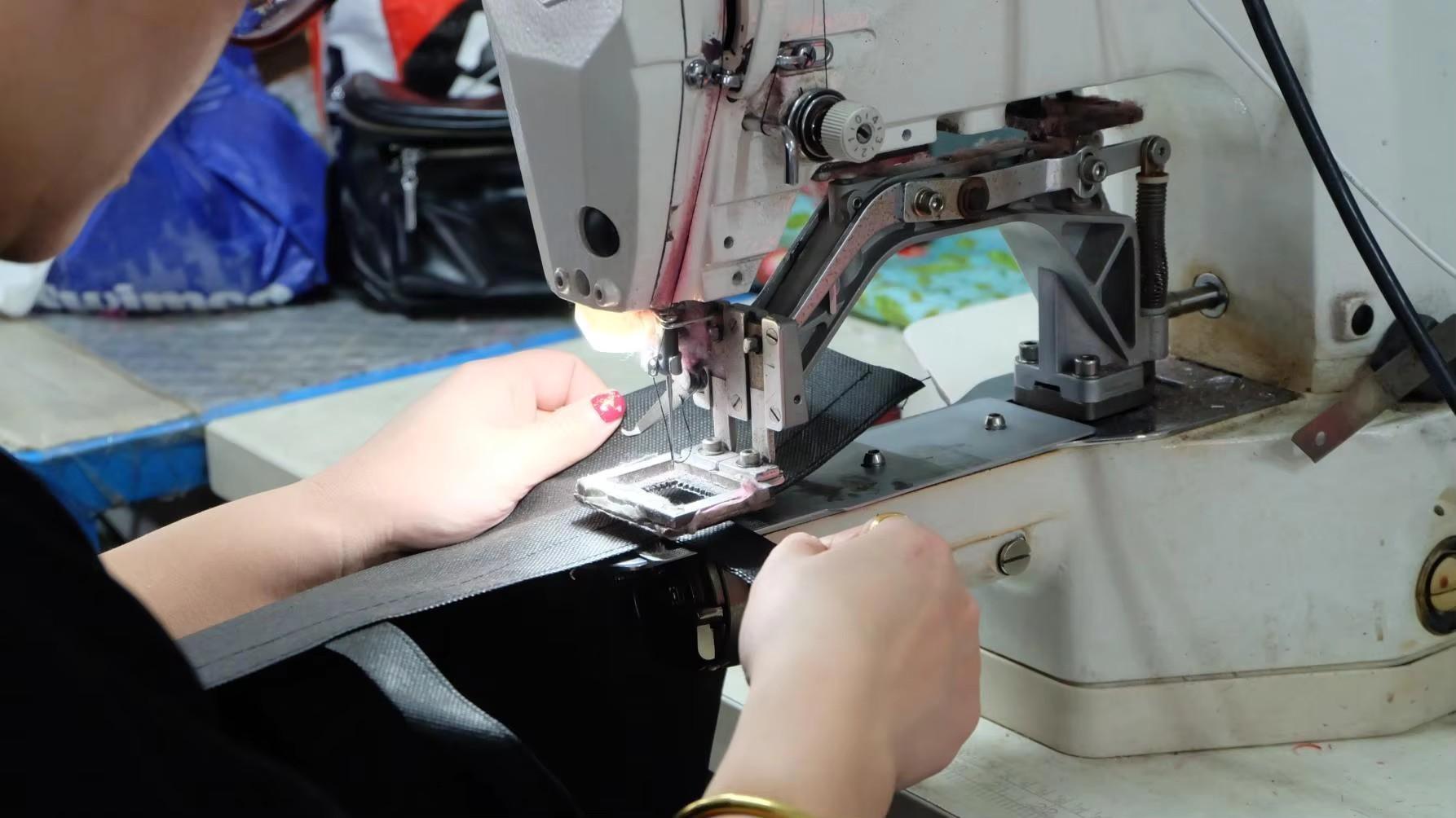
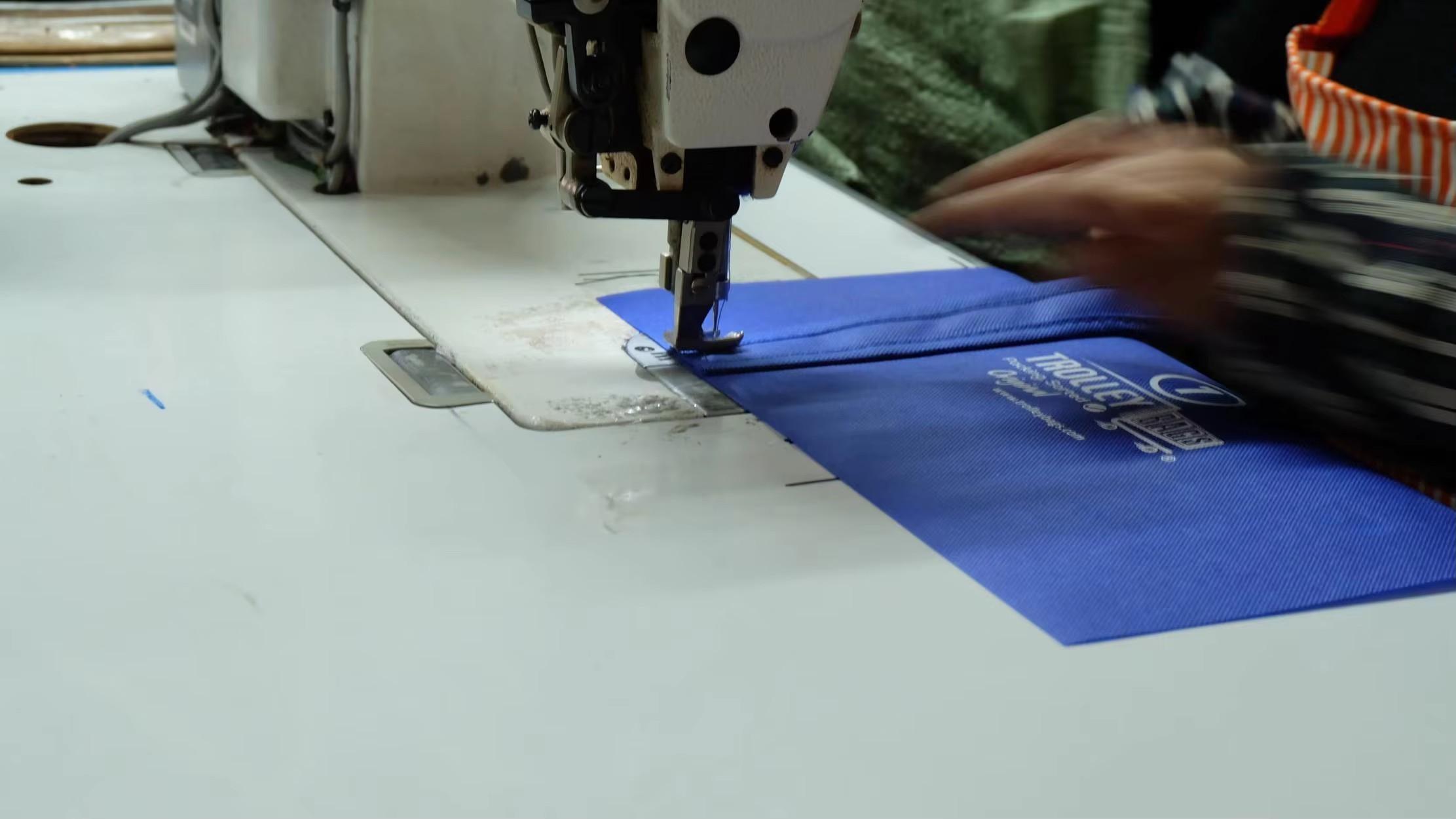
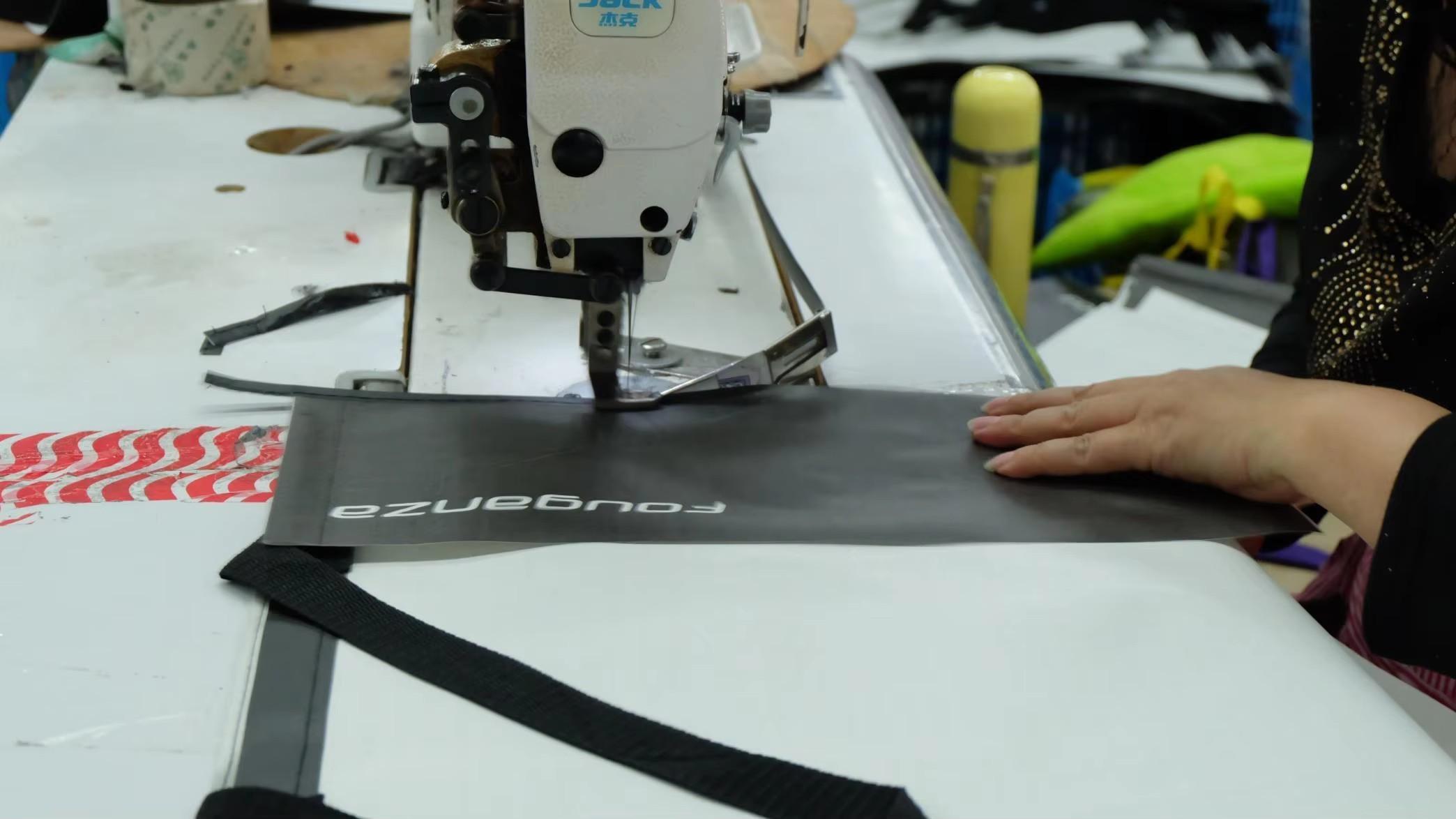
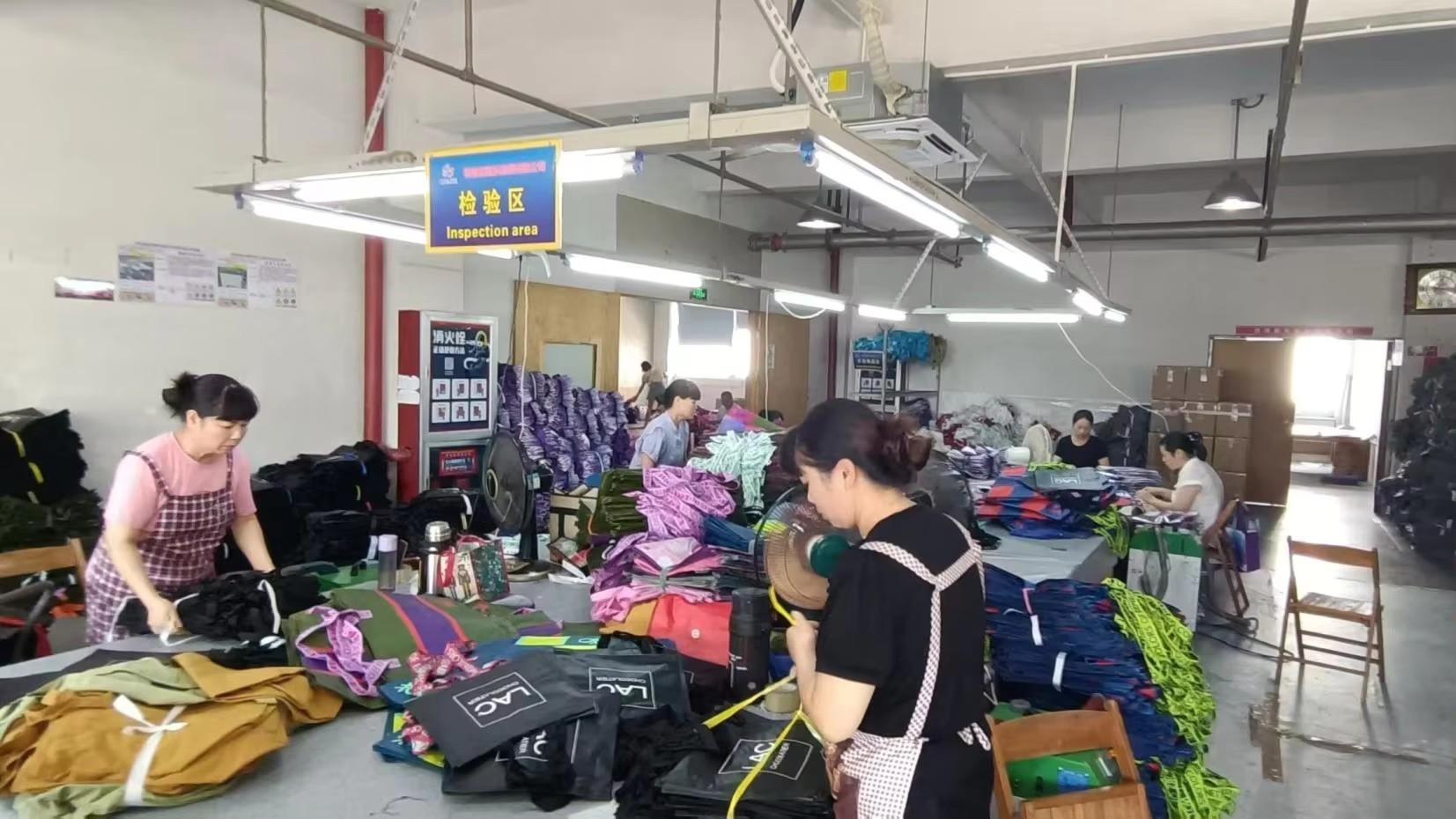
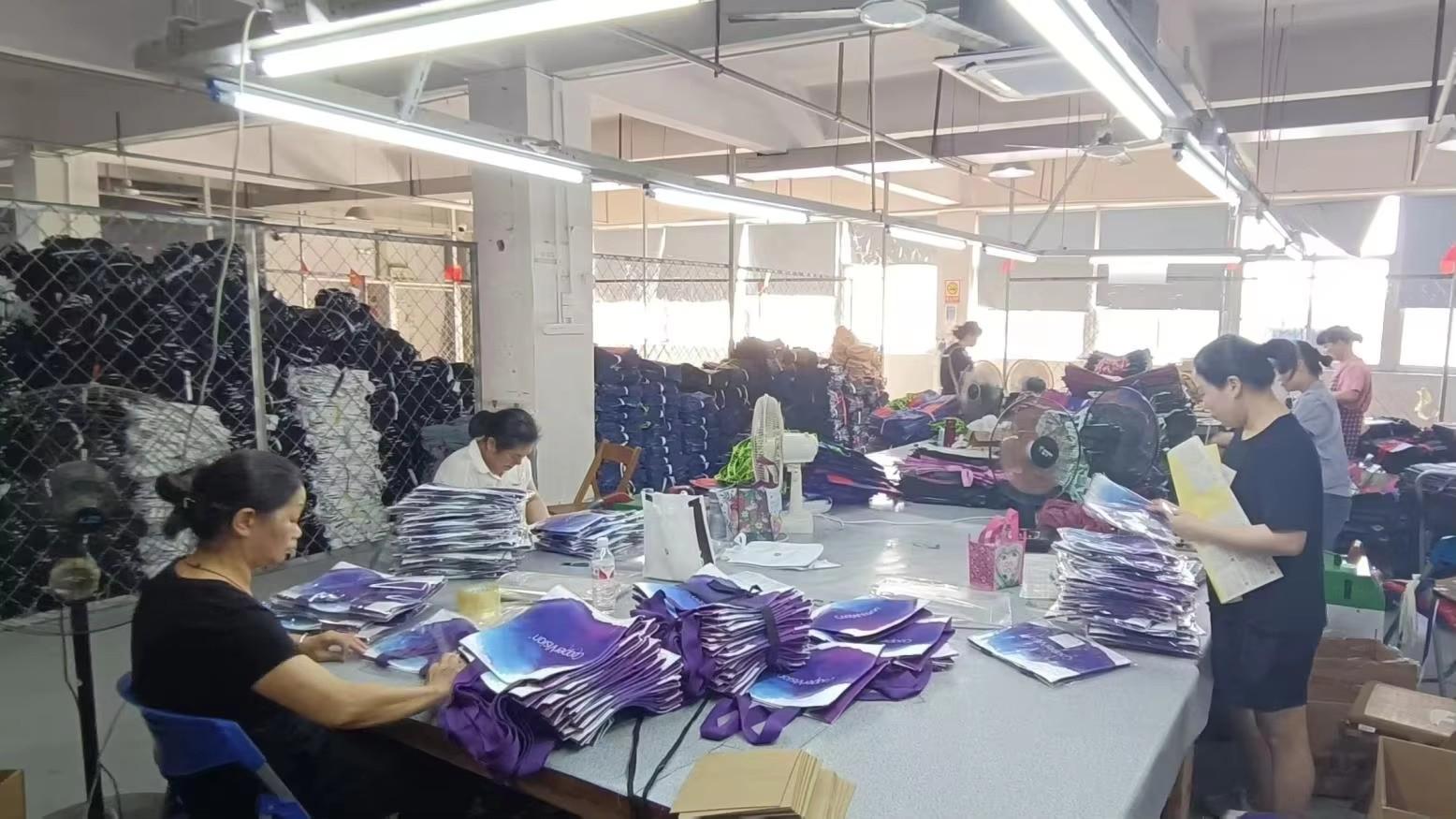
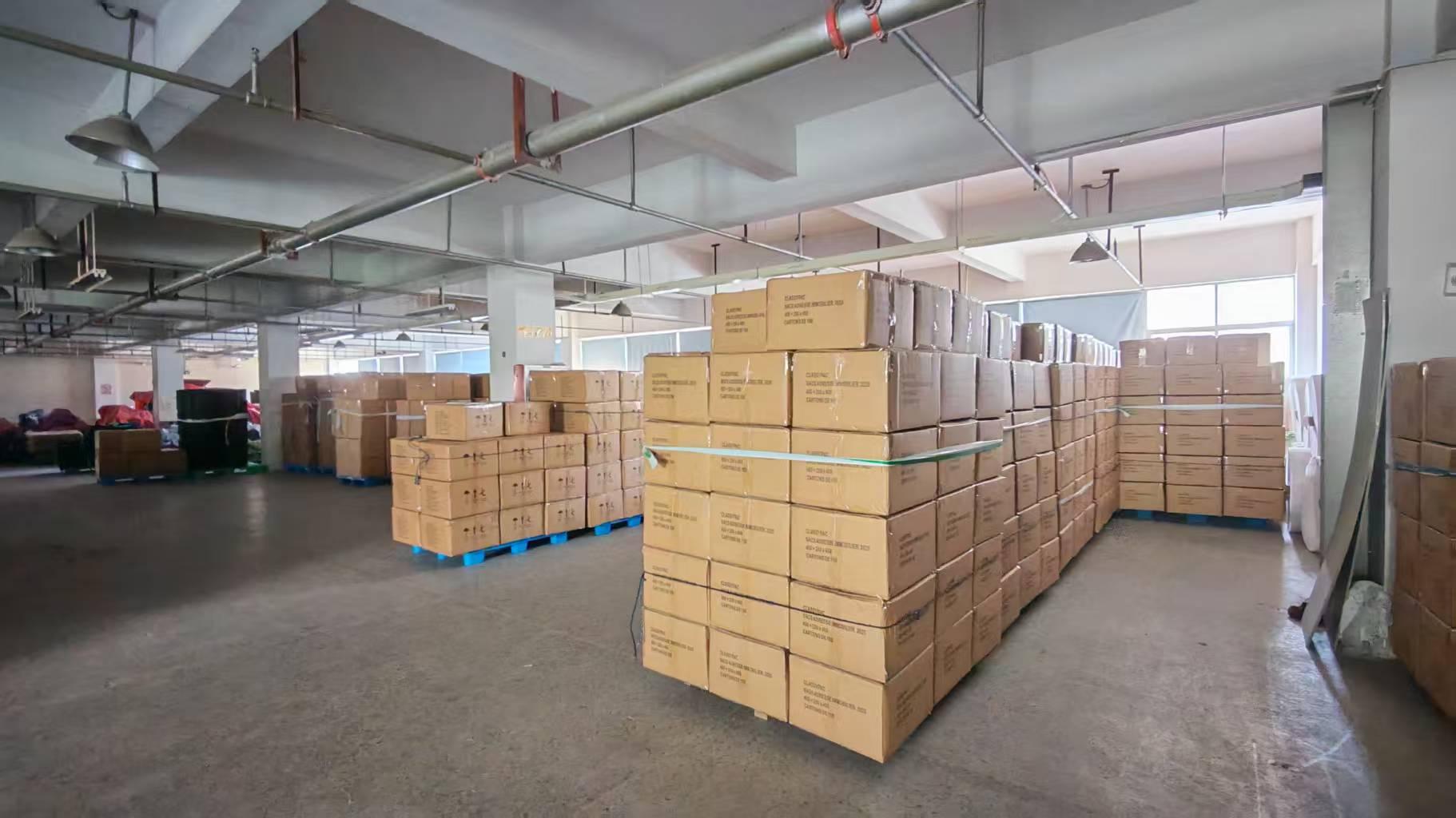
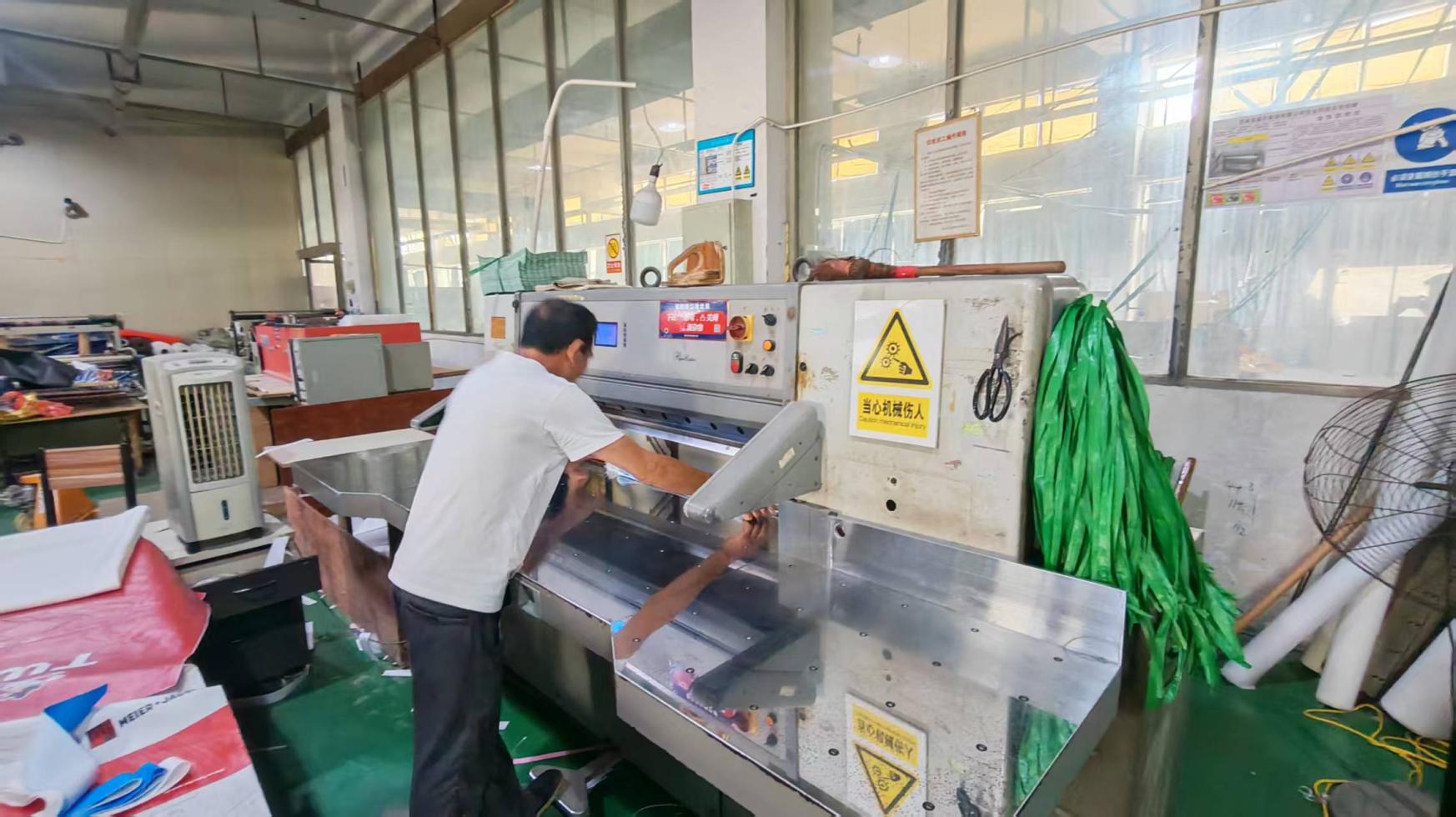
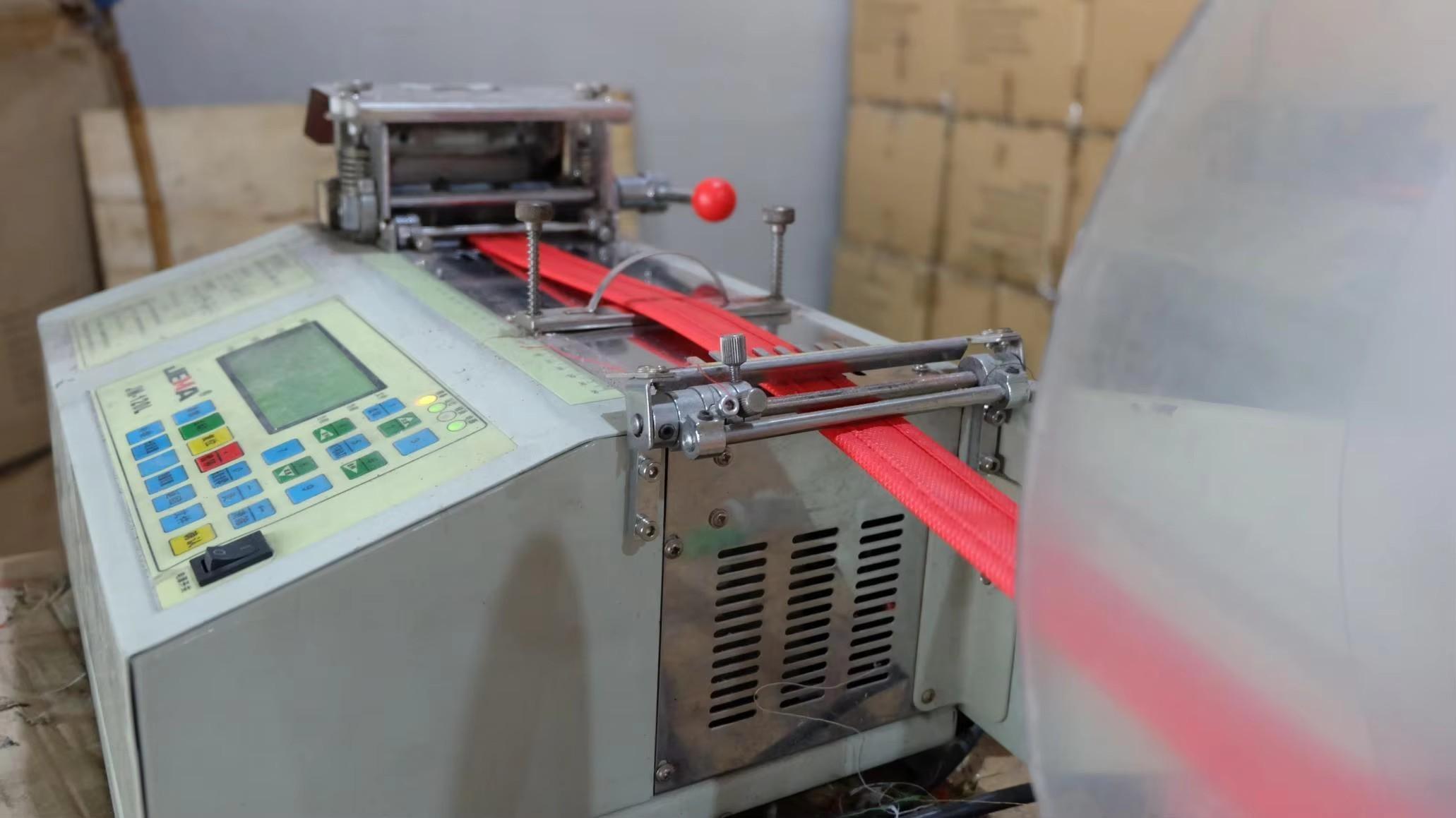
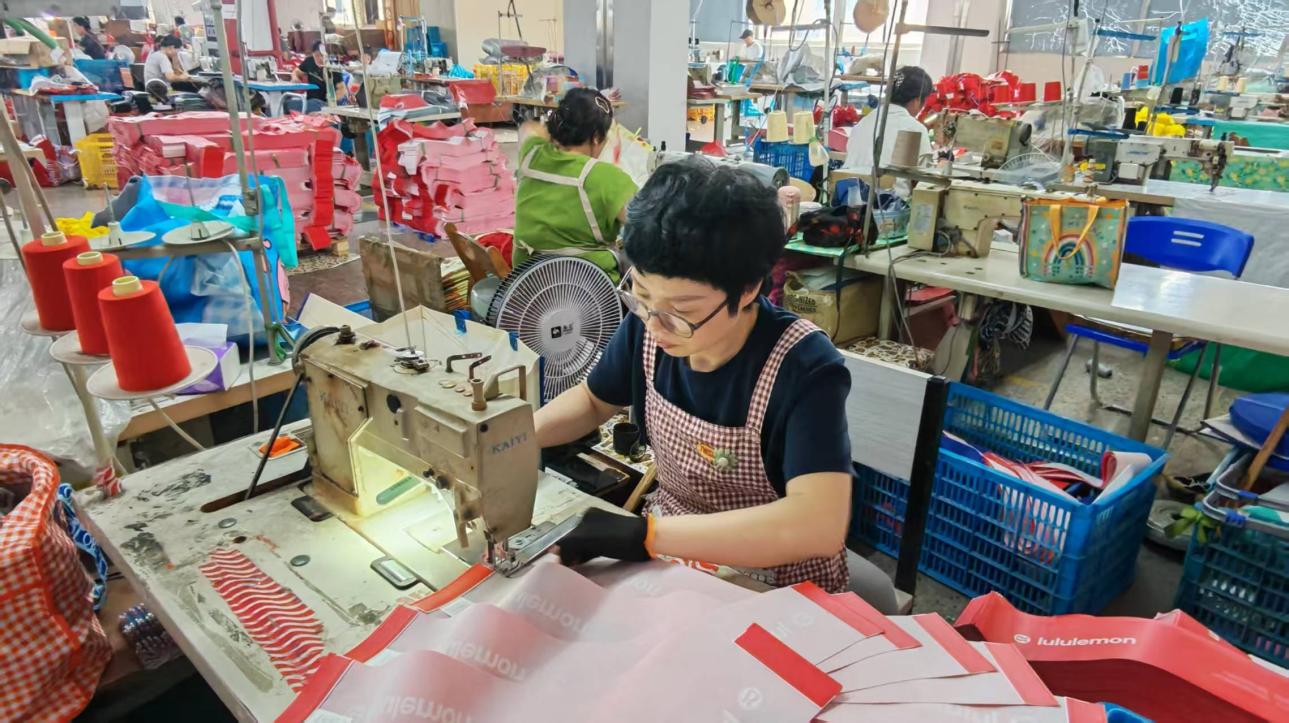
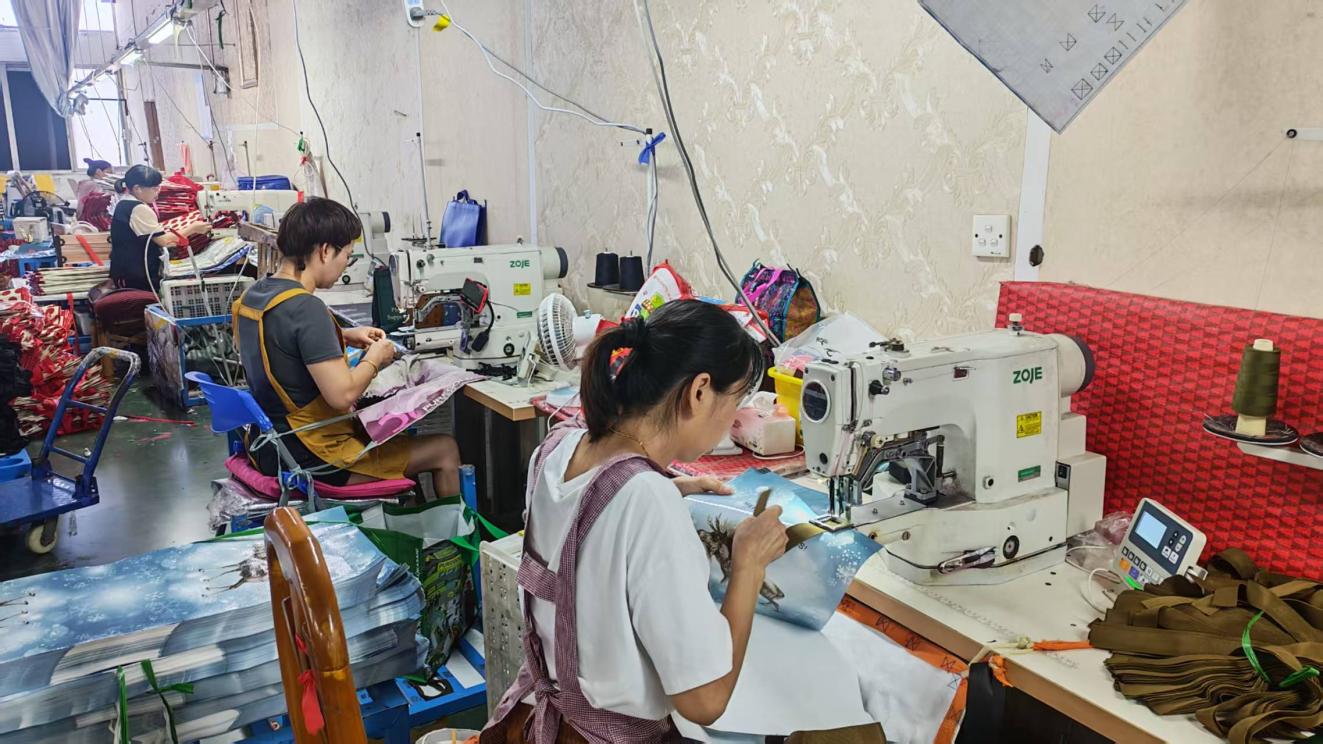
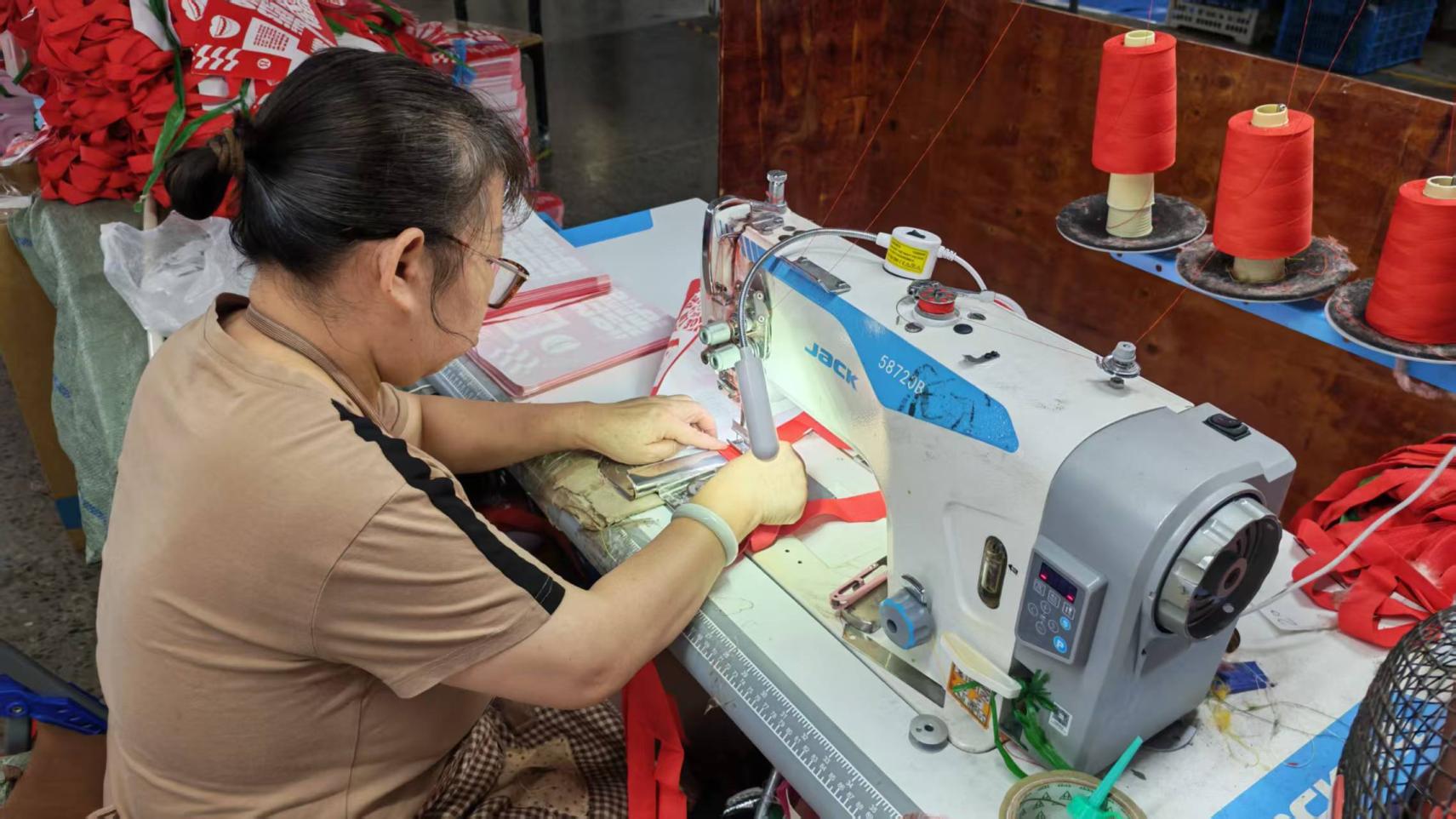
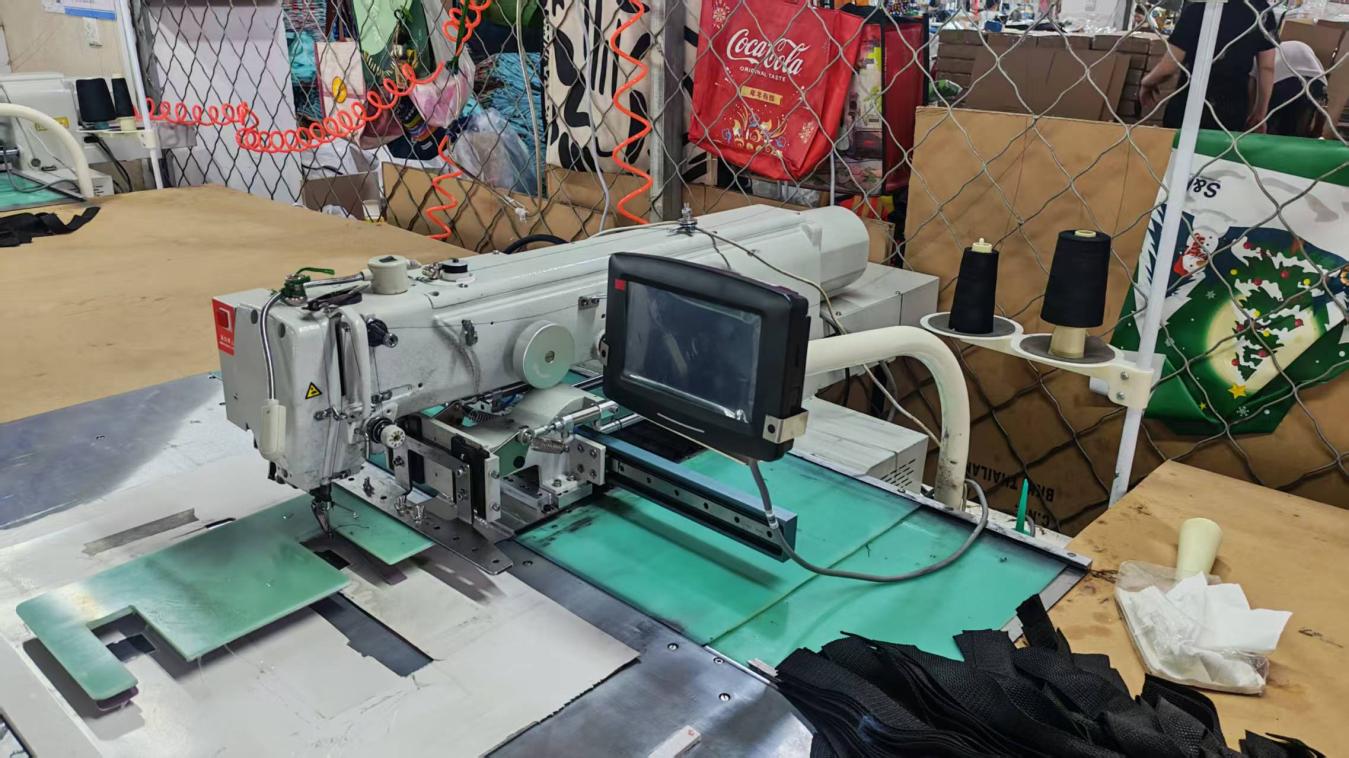
As a quality-oriented enterprise, Shenzhen LAHD Bag Co., Ltd. strictly follows international quality standards throughout every stage of production, from material sourcing and manufacturing to inspection and packaging. Equipped with advanced production facilities and supported by a skilled workforce, we are capable of handling both large-volume orders and customized projects efficiently. Our factory in Shenzhen integrates design, material processing, precise cutting, semi-automatic sewing, quality validation, and global logistics under a single managed structure.
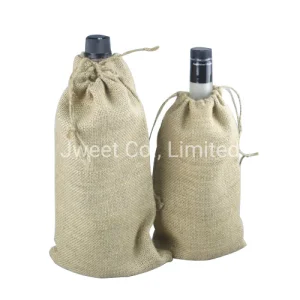
In the European Union, where EPR (Extended Producer Responsibility) schemes penalize single-use plastics, luxury distillers use custom single-bottle jute wine bags for high-end spirits, and local boutique fashion shops use jute pouches to package accessories. The rustic look combined with clean screen printing matches Europe's heritage and sustainability aesthetics.
From Portland to Toronto, specialty coffee roasters demand Hydrocarbon-Free food-grade jute packaging for beans. Utilizing vegetable oil-treated jute rather than mineral-oil variants protects organic certifications. Additionally, outdoor lifestyle brands package equipment in durable jute backpacks for an authentic, rugged appeal.
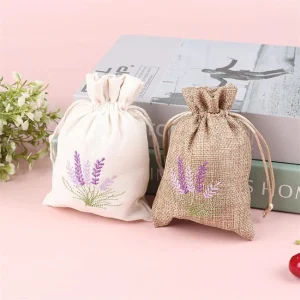
In the beauty and wedding industries, small embroidered lavender pouches and clear-window jewelry gift boxes are widely popular. Natural linen-blend structures allow products to breathe, preventing dampness while offering an elevated tactile experience that enhances unboxing value.
Integrating natural materials with smart manufacturing, bio-laminations, and circular carbon tracking.
Standard jute bags are often lined with low-density polyethylene (LDPE) to achieve water resistance and structure. However, this disrupts the biodegradability pathway. Our technical team is developing a compostable bio-polymeric starch lining derived from agricultural byproducts. This provides a water-resistant barrier while maintaining 100% home compostability.
To satisfy stringent toxicological clearances in North America and Europe, we use water-based inks that are heavy metal-free and low-VOC (Volatile Organic Compounds). Our current research focus is on plant-derived pigments (such as indigo and tea-based extracts) for printing logos on organic burlap.
We are working to integrate QR-code based transparency systems on high-volume production batches. Enterprise clients can scan the code to view the carbon profile, raw fiber origins, and social compliance status of the specific workshop where their jute drawstring bags were manufactured.
Jute fiber has a high dust and lint content, which can challenge traditional sewing machines. By upgrading to pattern sewing machines with automated air-dust extraction systems and high-torque feeding mechanisms, we have improved stitching alignment precision and reduced seam rupture rates by 94% on heavy-duty packaging.
Every dye, oil, and sizing agent used in our manufacturing process is tested to ensure it is free from lead, cadmium, phthalates, and banned azo dyes. This allows our products to move smoothly through European customs and supports retail distribution without environmental liability.
For coffee, grains, and specialty spices, our production processes follow US FDA guidelines for food-contact packaging. We verify that only vegetable oil (such as rice bran oil) is used for batching processes, eliminating hydrocarbon odors and chemical transfer.
For our blended linen and cotton-jute bags, we test our yarns to confirm they meet Oeko-Tex Standard 100 requirements for prolonged skin contact. This makes our pouches a safe and popular choice for cosmetic items, jewelry packaging, and direct consumer use.
Technical and commercial answers for sourcing managers, packaging designers, and global procurement departments.
While often used interchangeably, these terms refer to different fabric weights and weaves:
The characteristic scent of new jute comes from the batching oil used during carding and spinning. For retail and food applications, we offer hydrocarbon-free bags. These bags are manufactured using refined vegetable-based oils and receive hot-air treatment post-weaving, significantly reducing natural odors and making them safe for food contact.
Yes. While the open weave of jute presents challenges for high-detail printing, we offer several specialized solutions:
For standard sizes, our starting MOQ is generally 1,000 units. For fully customized bag configurations (special sizes, dyed fabrics, or custom hardware additions), the MOQ ranges from 2,000 to 5,000 units. Normal lead times are 15-20 days from prototype approval, depending on the season and the complexity of the design.
Yes. We offer several natural cord options: raw jute twines, 100% organic cotton cords, and hemp ropes. For synthetic alternatives, we also supply satin ribbons and polyester drawstrings. Customers can specify their preference based on their target market's sustainability goals.
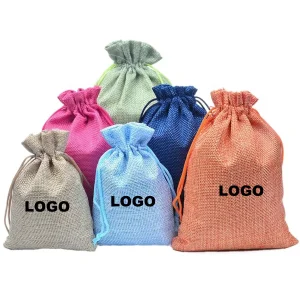
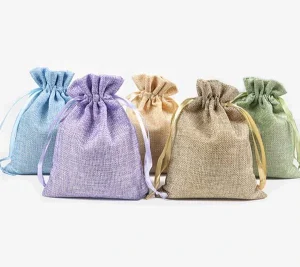
Select from our range of colored, printed, and single-drawstring configurations tailored for global exports.
 LAHD Bag