LAHD Bag
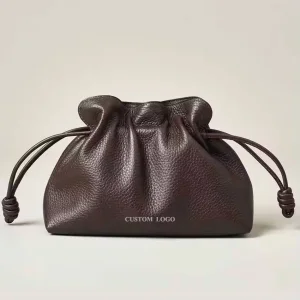
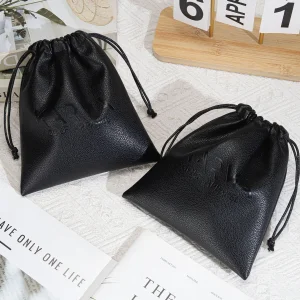
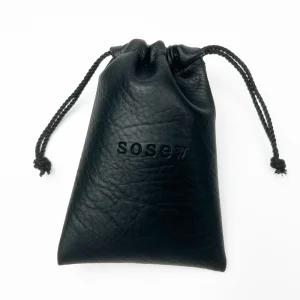
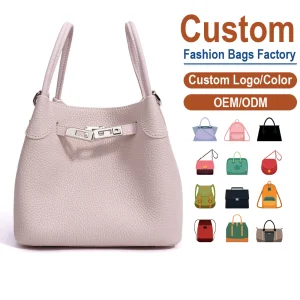
Strategic Insights: The Leather Drawstring Bag Market in South Africa
The demand for premium leather goods, custom branding, and ecological retail packaging across South African metros—specifically Johannesburg, Cape Town, and Durban—has seen exponential growth over the past decade. For businesses ranging from artisanal cosmetics producers and boutique fashion labels to massive corporate gift entities, securing a reliable, scale-focused manufacturing partner is not merely a purchasing decision; it is a core brand strategy.
Information Gain Highlight: Many South African buyers attempt to source leather products locally, only to face constraints in modern embossing machinery, color consistency, and bulk production capacity. Direct-from-factory partnerships with specialized manufacturers in Shenzhen bridge the gap between premium quality and competitive scaling.
South African Local Commercial and Industrial Landscape
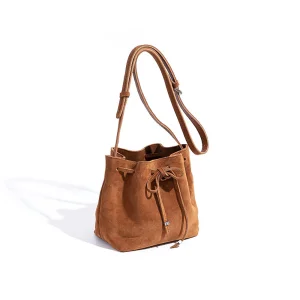
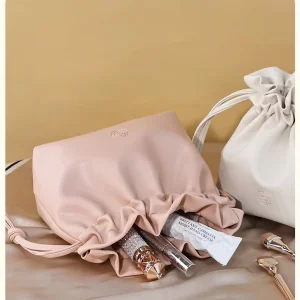
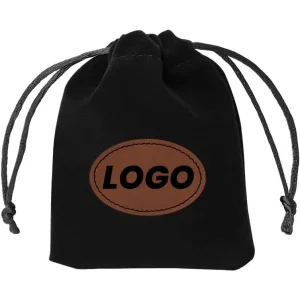
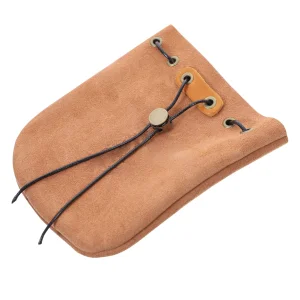
South Africa’s commercial landscape is a unique combination of high-end tourism, boutique hospitality, and a robust domestic retail market. The luxury safari industry in regions like Kruger National Park and the luxury wine estates of Stellenbosch demand bespoke packaging solutions that reflect organic premium quality. A leather drawstring bag, whether used as a keyholder, amenities container, or promotional luxury envelope, serves as an extension of this high-end experience.
Furthermore, South Africa’s emerging tech and corporate industries require distinct premium promotional materials. Cheap, single-use plastics and low-grade synthetic fibers are actively being phased out by corporate compliance initiatives targeting ESG (Environmental, Social, and Governance) goals. Durable, beautifully embossed PU and genuine leather pouches offer the durability and prestige that modern South African corporate enterprises seek.
Local Compliance, Regulatory Frameworks, and SABS Standards
Importing premium leather components and packaging to South Africa requires strict adherence to regulatory bodies. The South African Bureau of Standards (SABS) dictates safety, material integrity, and environmental metrics. For leather products, this involves testing for chromium-VI, formaldehyde levels, and heavy metals commonly used in cheap tanning processes.
Shenzhen LAHD Bag Co., Ltd. strictly complies with international REACH and RoHS certifications, ensuring that all leather raw materials—be it authentic top-grain cowhide or eco-friendly water-resistant PU leather—are fully compliant with South African customs and SABS expectations. Working with a factory that proactively secures certifications guarantees smooth clearance through the South African Revenue Service (SARS) customs checkpoints at major sea ports like Durban Port and Cape Town Port.
Shenzhen Supply Chain & Advanced Manufacturing Advantage
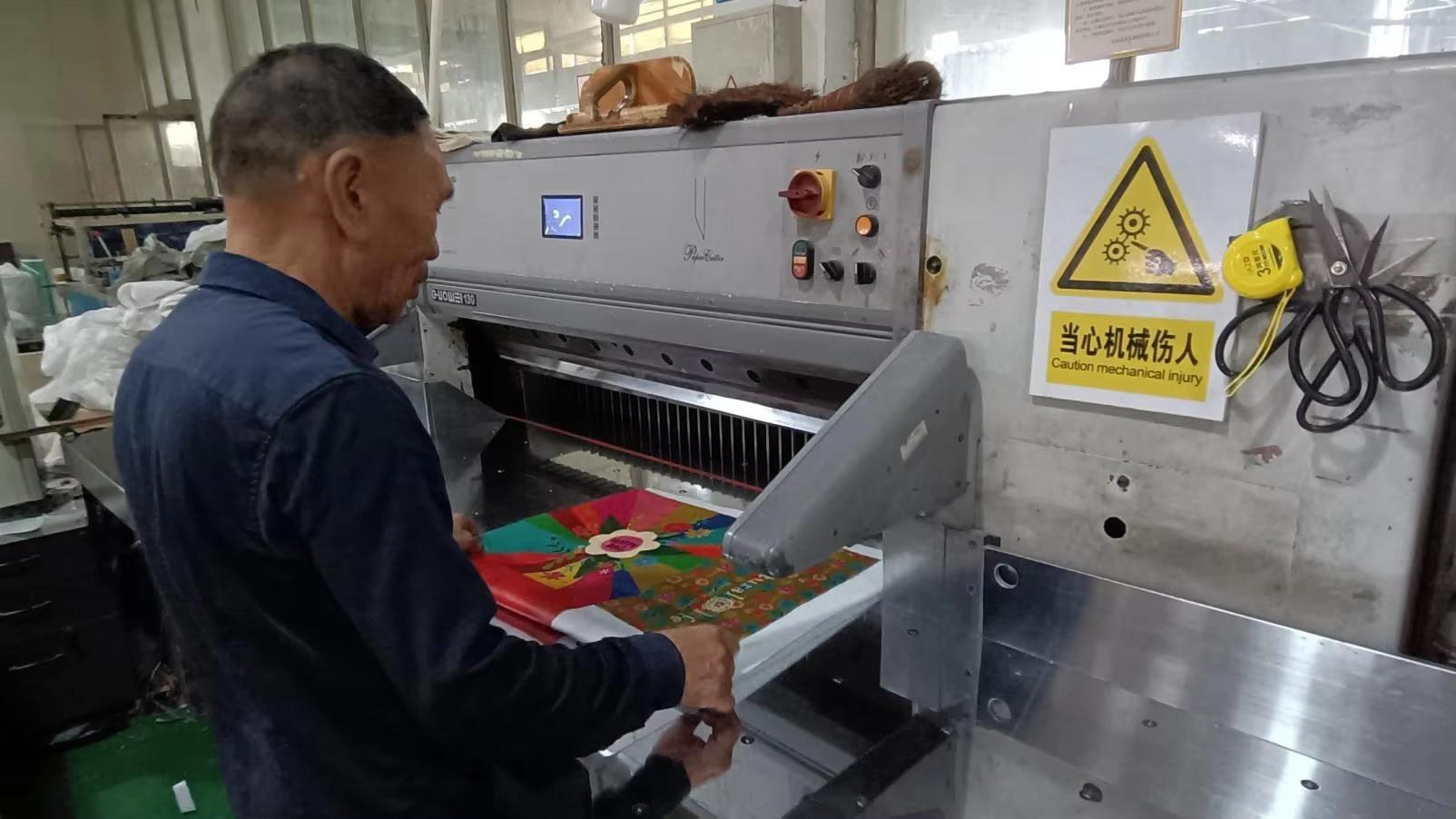
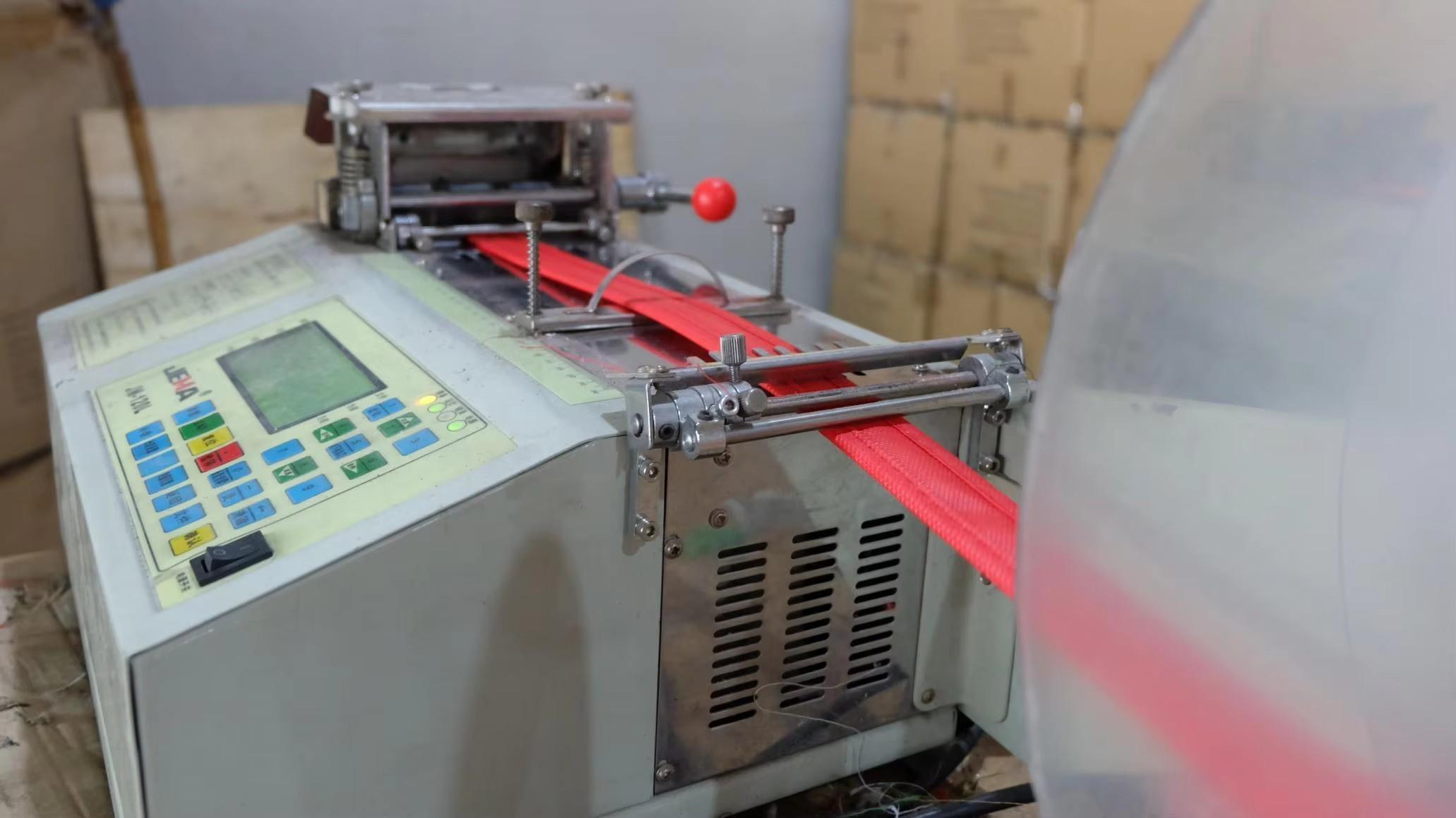
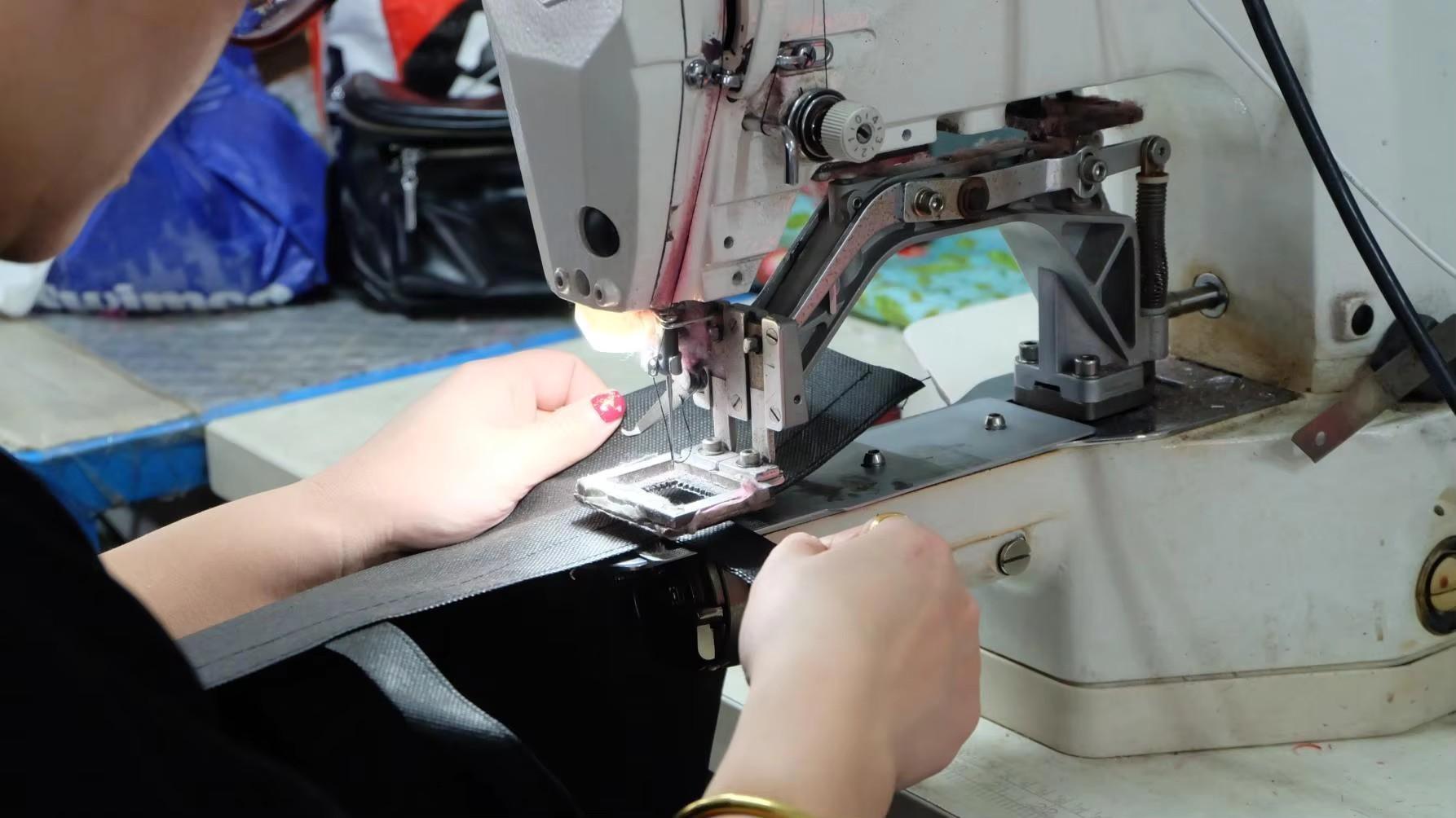
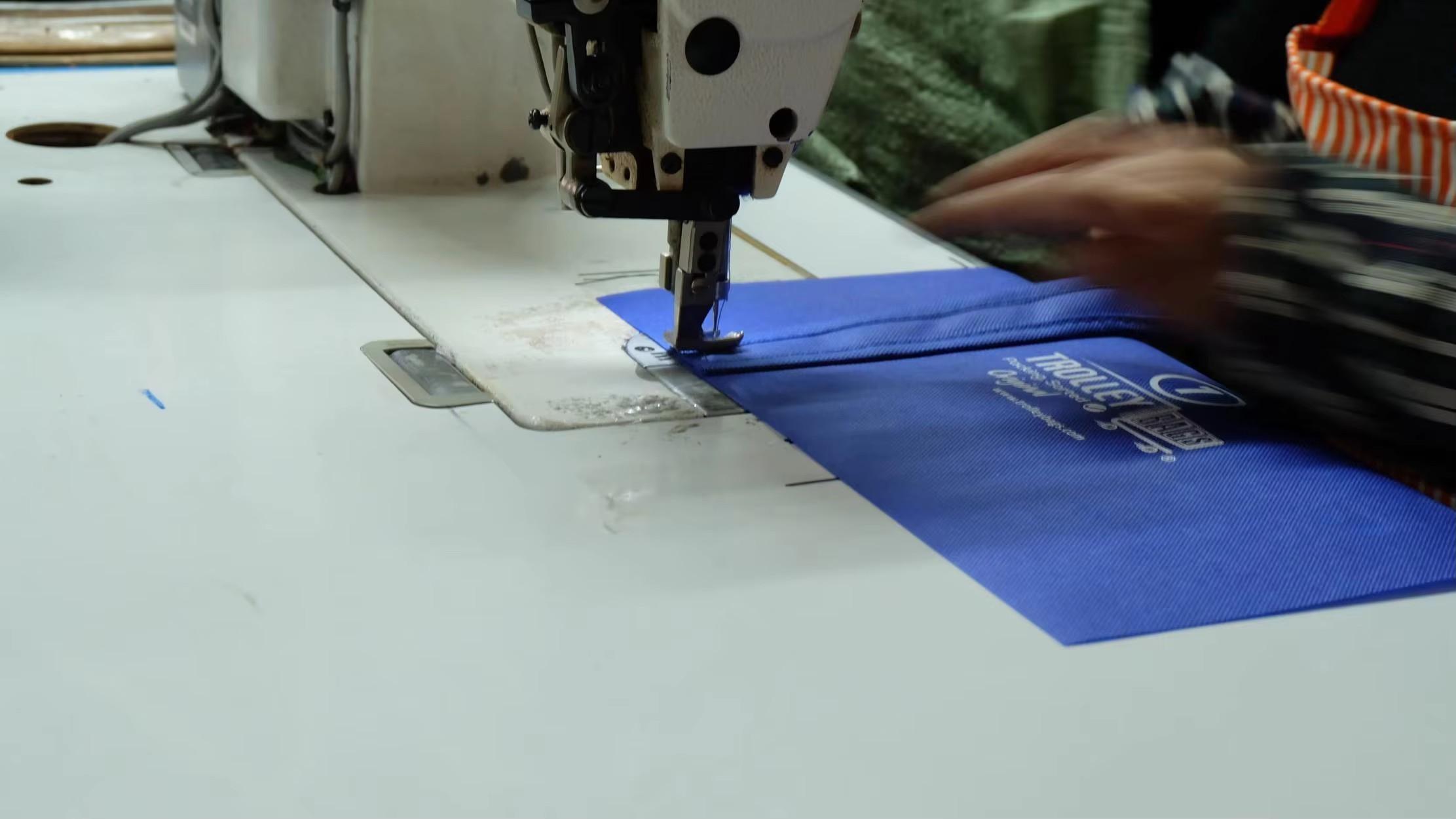
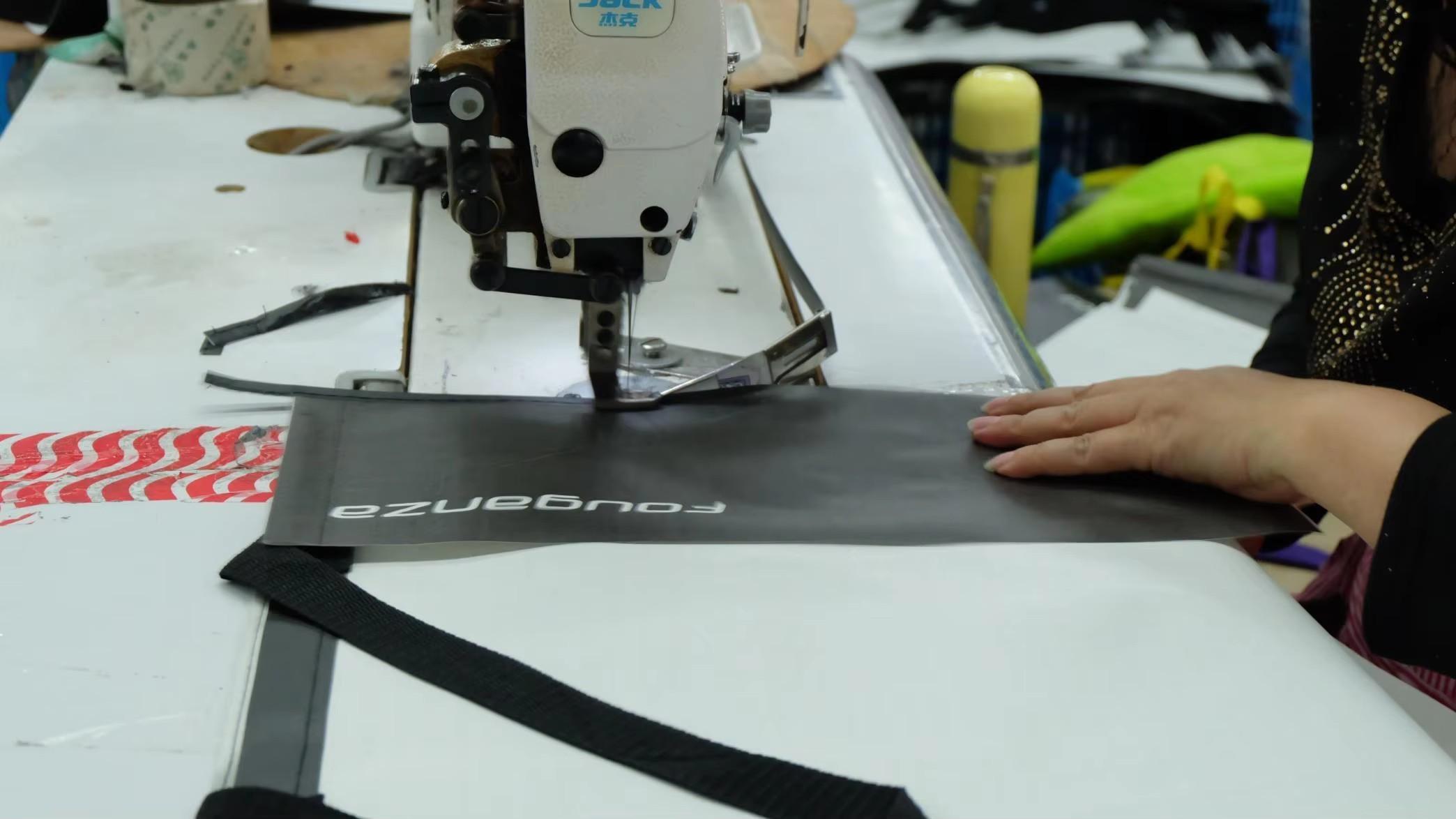
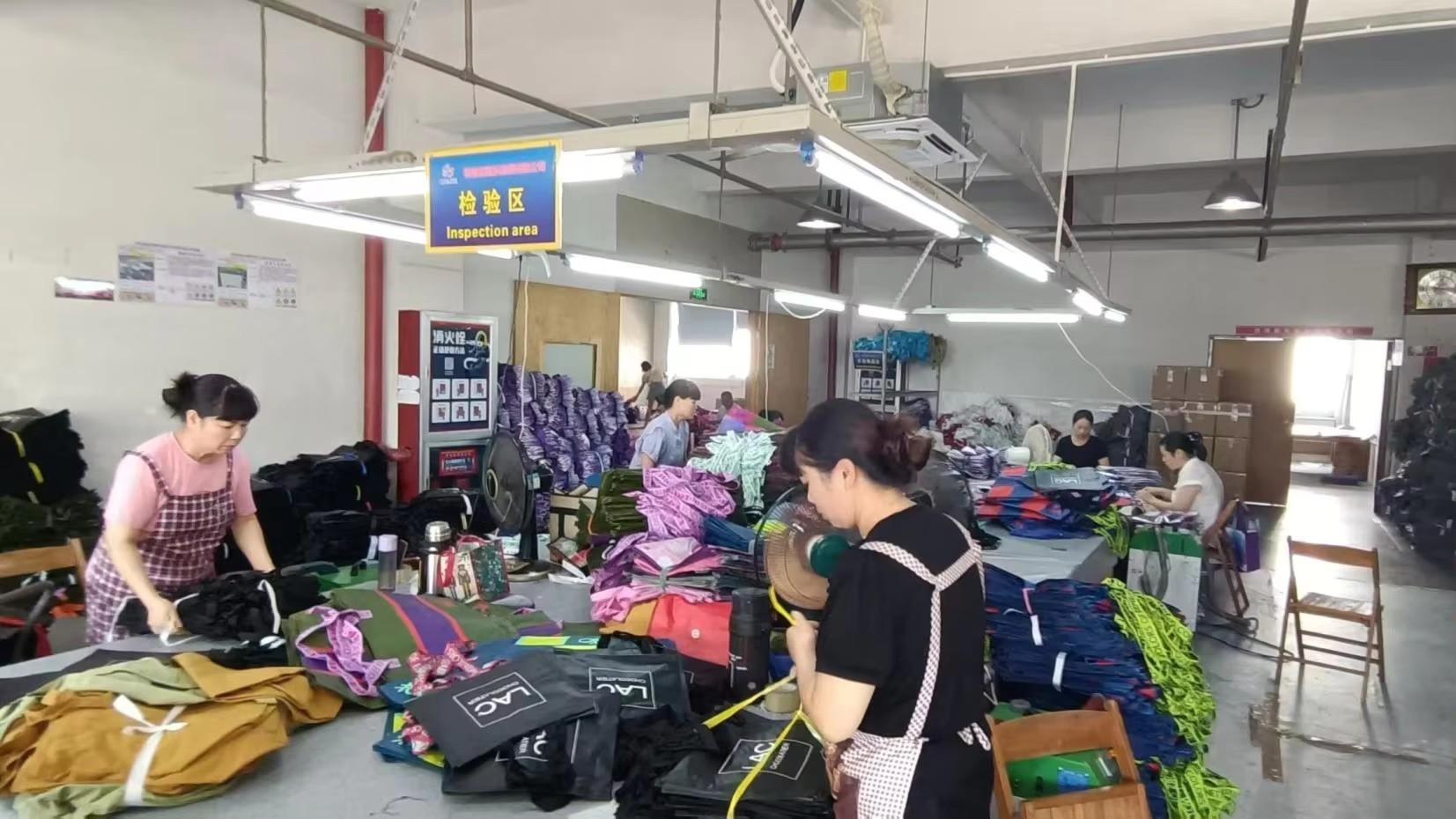
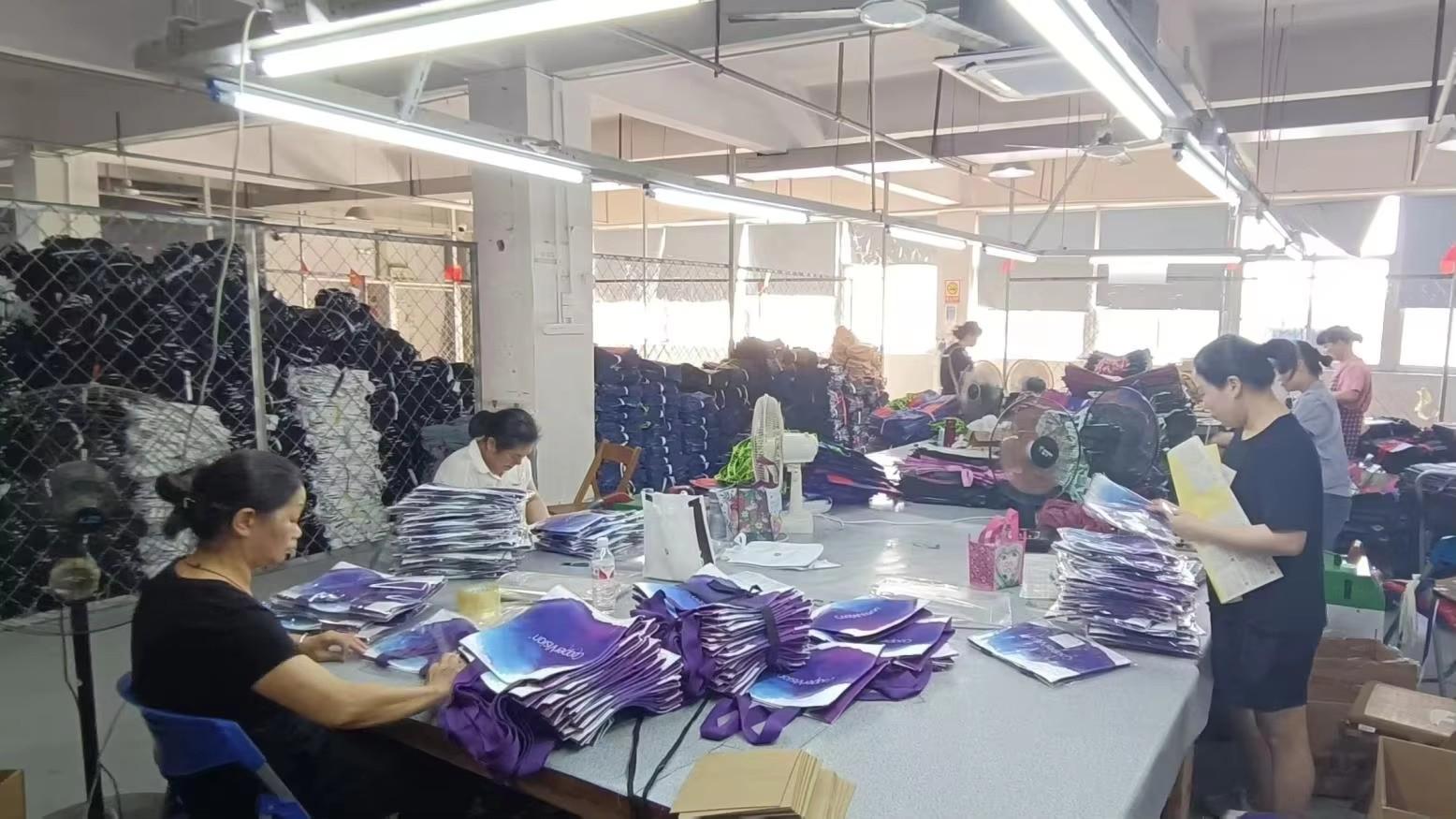
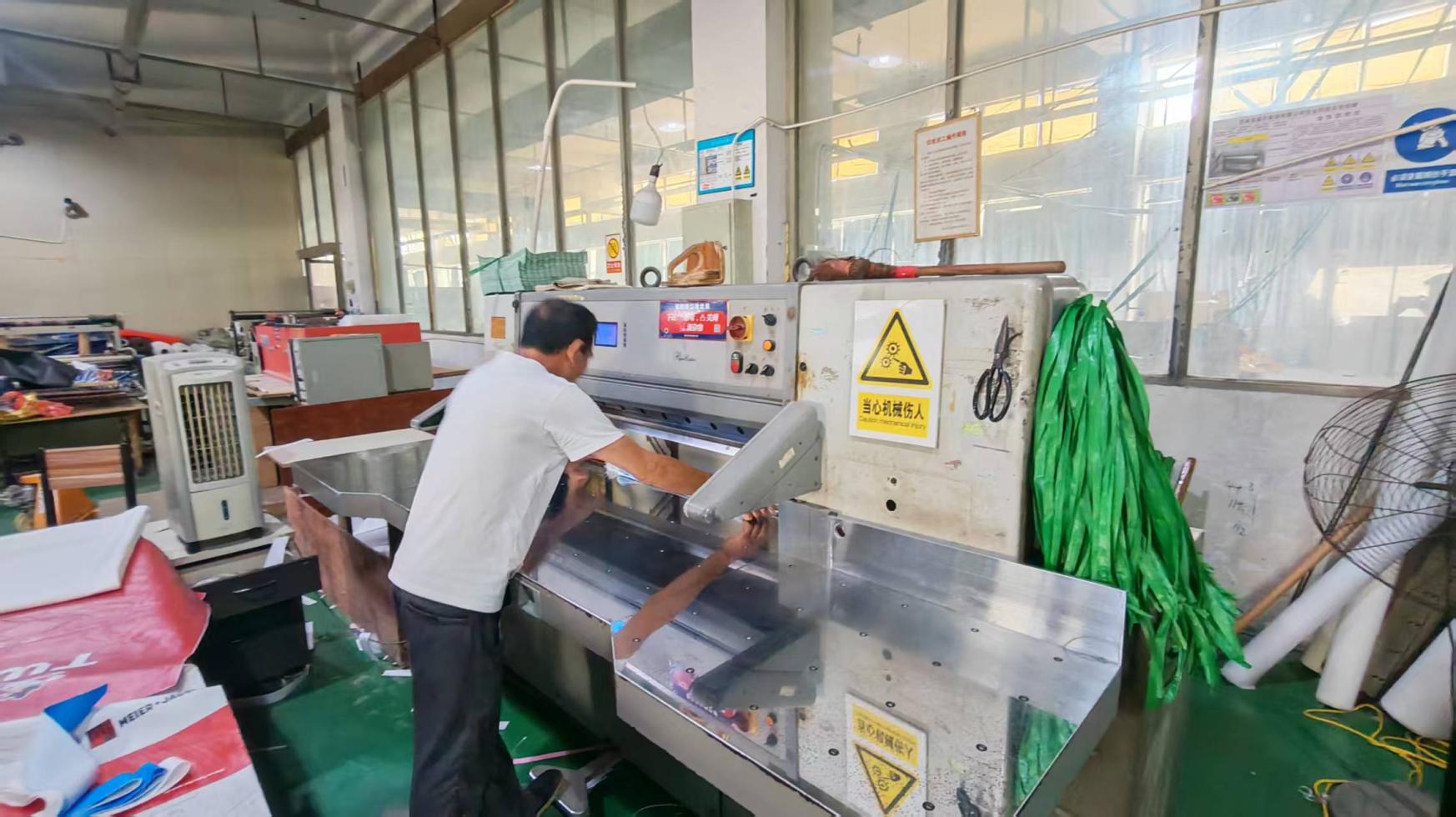
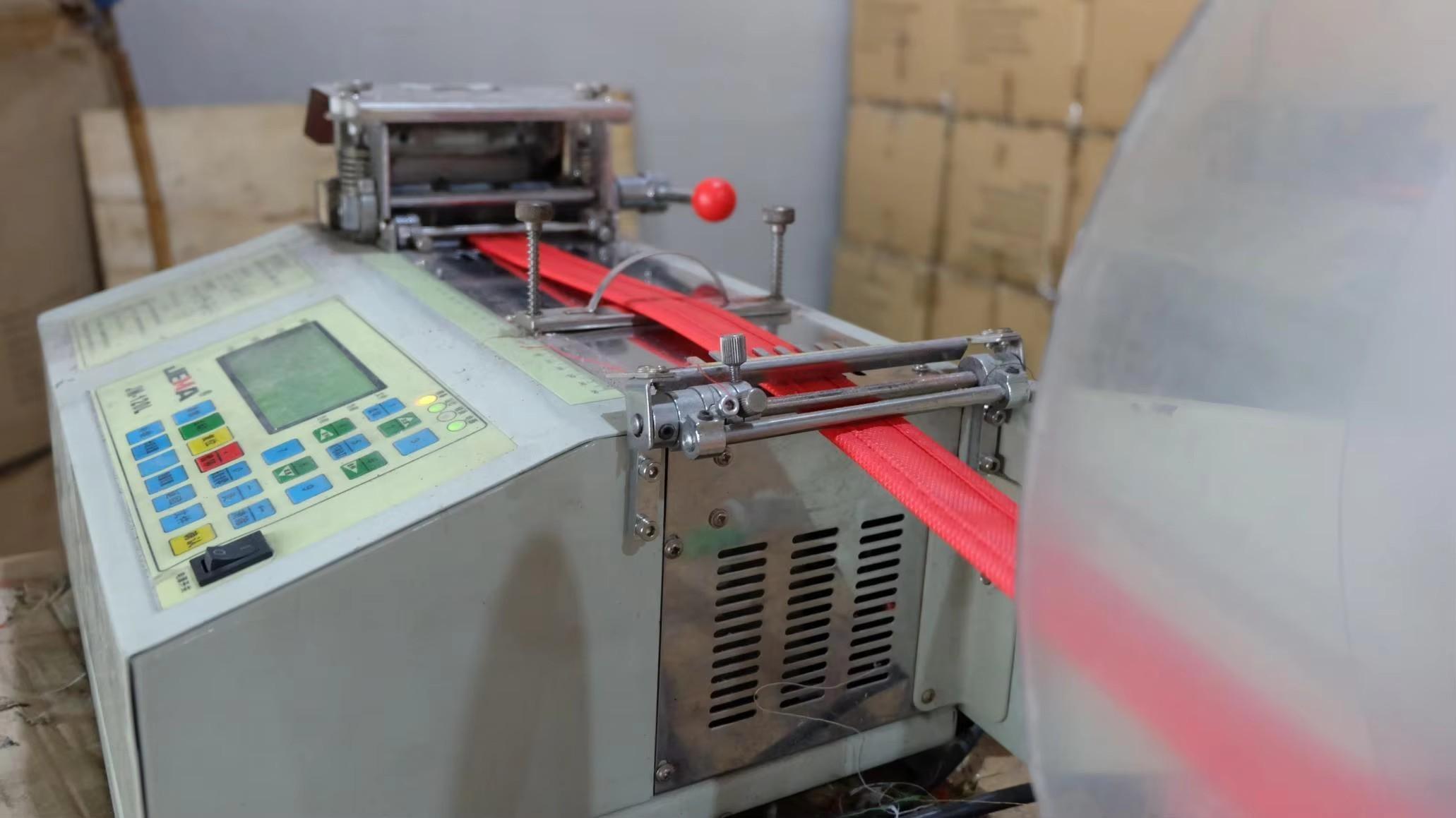
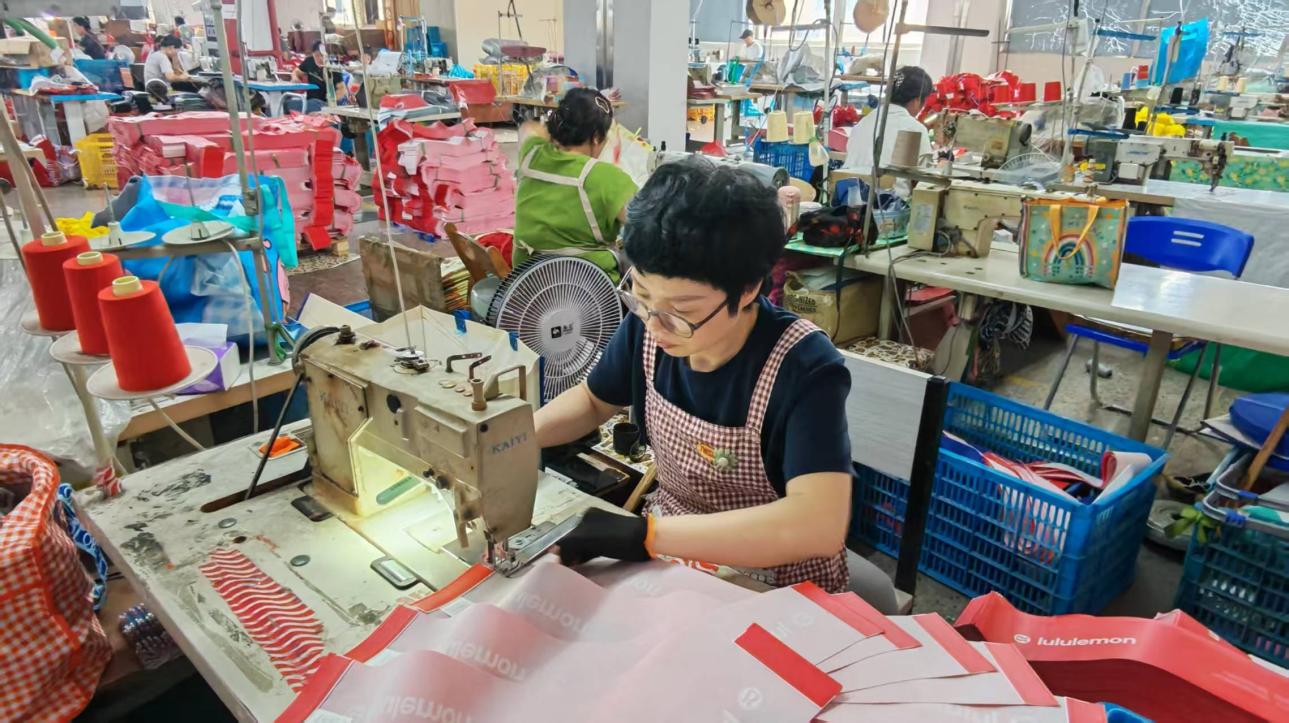
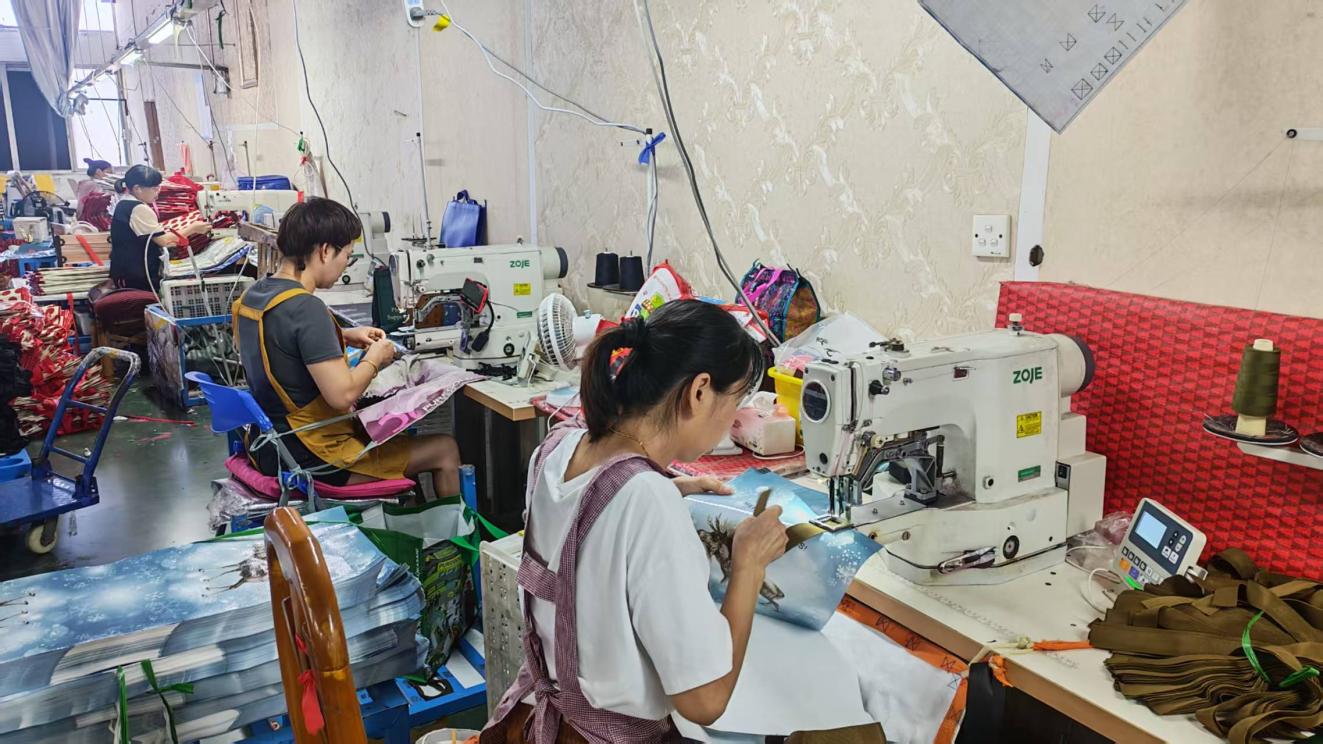
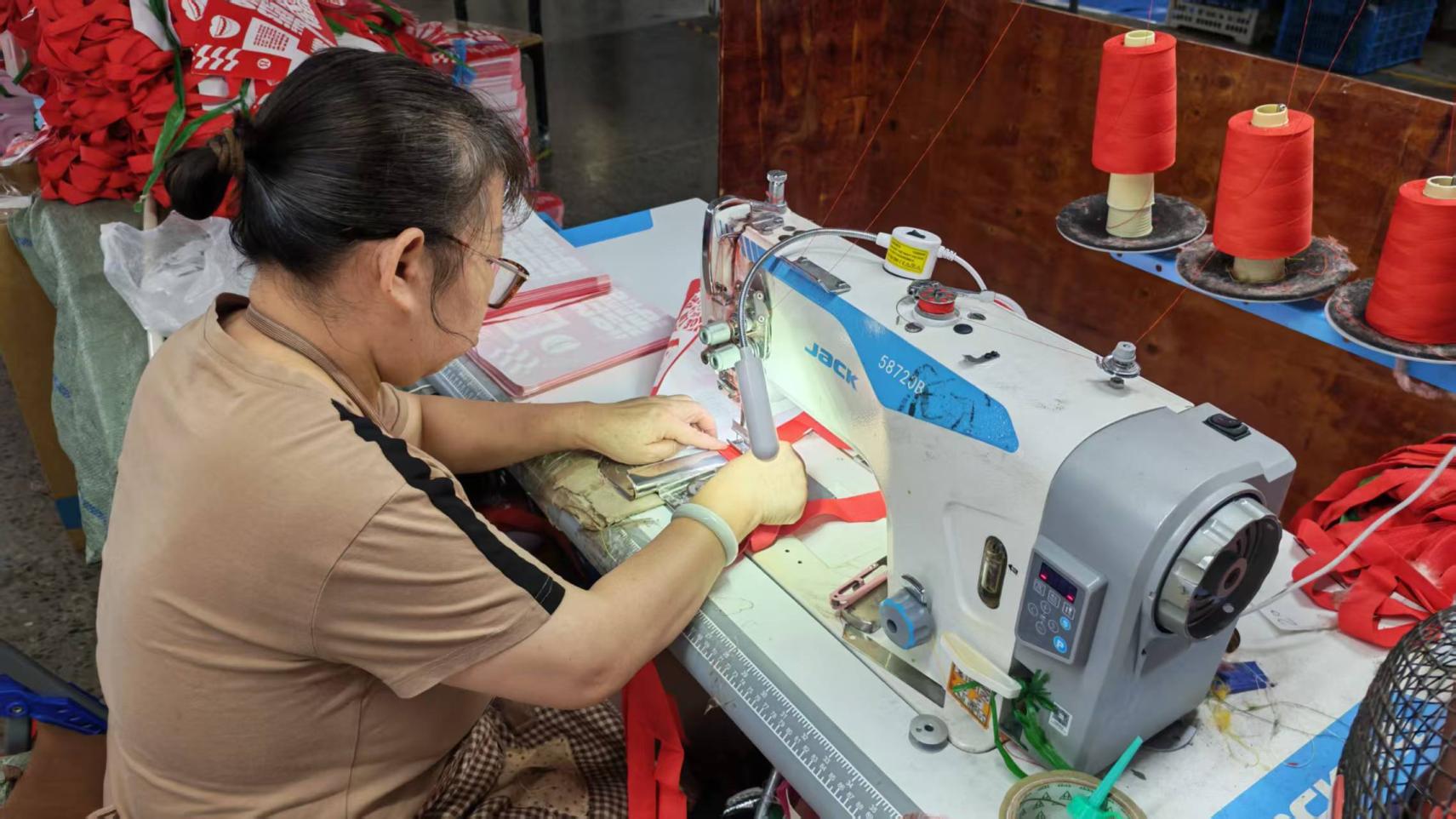
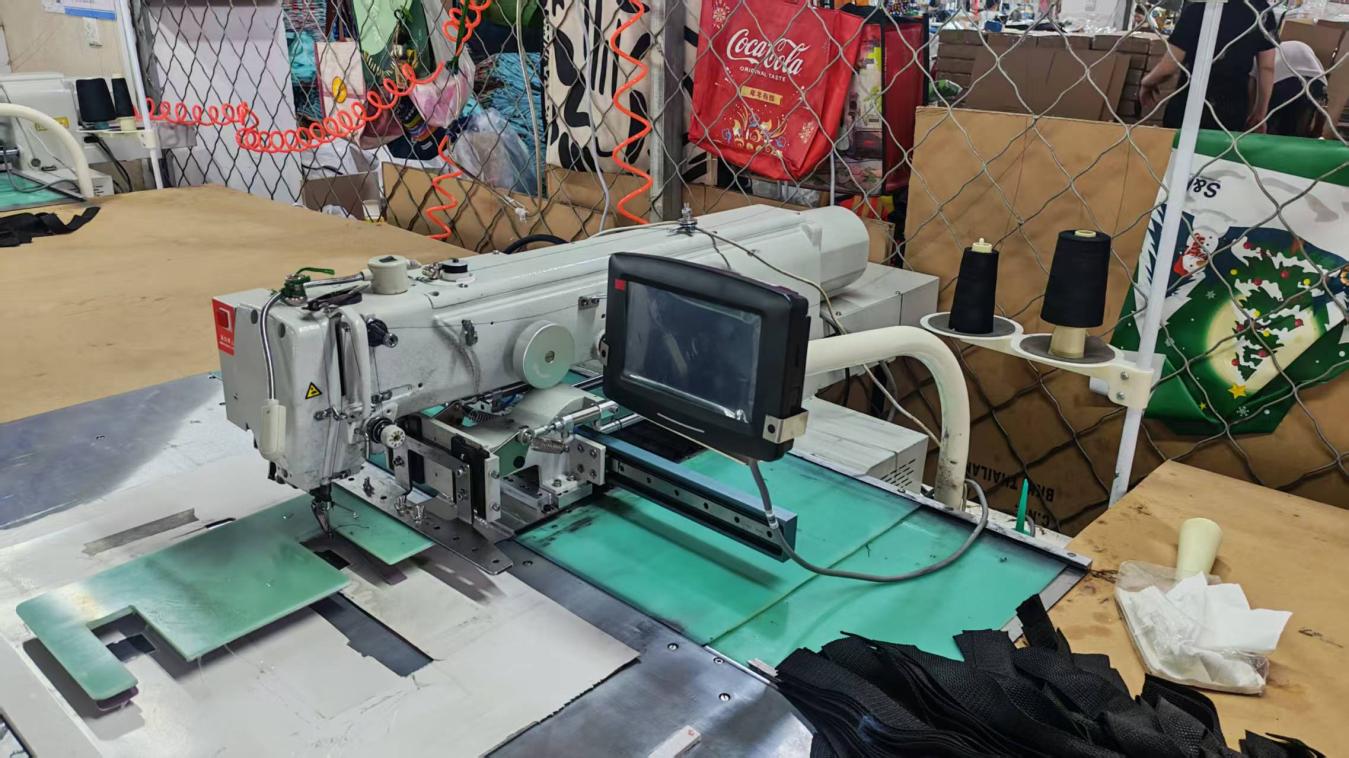
Partnering with Shenzhen LAHD Bag Co., Ltd. offers South African businesses a significant edge in scale, precision, and pricing. Our 20-year legacy as a high-volume factory allows us to leverage precision machinery that local workshops cannot afford. Our workflow incorporates automated material cutting, computer-guided decorative stitching, and hydraulic debossing tools that deliver identical brand representations across thousands of units.
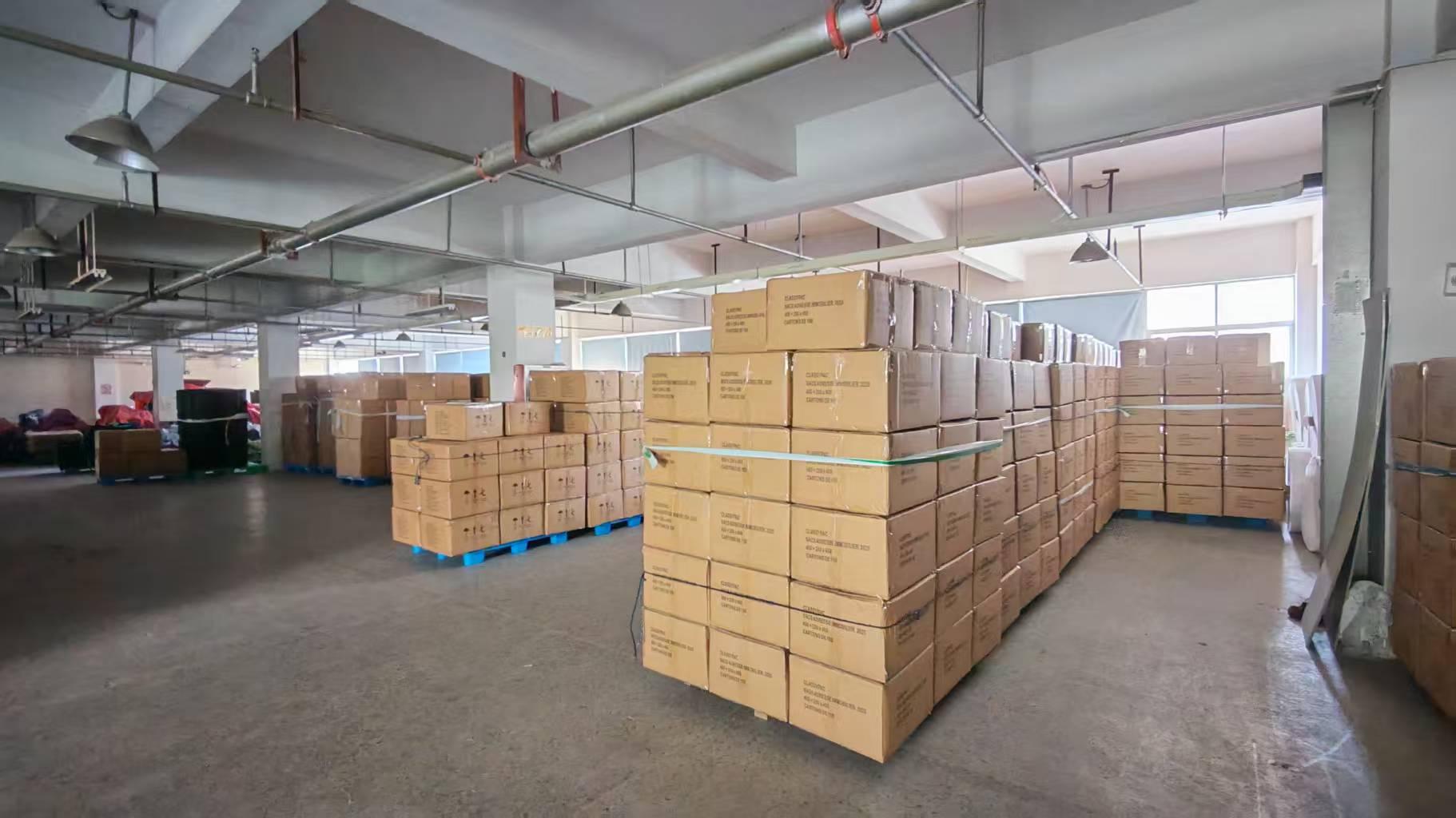
Additionally, our direct access to premium raw material suppliers in the Pearl River Delta guarantees a massive spectrum of colors, leather textures, inner linings (such as velvet, satin, and micro-suede), and high-grade drawstrings. This localized supply network allows us to drastically reduce lead times compared to typical Western manufacturers, ensuring quick dispatch to southern hemisphere shipping routes.