Explore our collection of versatile, high-durability bags, custom pouches, and enterprise-grade packaging solutions engineered for global retail, promotional campaigns, and brand enhancement.
The global lunch carrier and insulative packaging market has undergone a significant paradigm shift over the past five years. Once considered simple functional objects, lunch bags have evolved into key statements of corporate responsibility, sustainable lifestyle choices, and high-performance material engineering. The traditional Gingham pattern, characterized by its distinctive carded or combed card-weave checks, has surged in demand across consumer verticals—blending classic retro aesthetics with state-of-the-art thermal technology.
Industrial procurement managers, major supermarket chains, and high-end lifestyle brands are increasingly searching for manufacturers that can offer more than just aesthetic patterns. They require a rigorous combination of thermal insulation performance, clean toxicity certifications, leakproof construction, and high tensile strength to withstand daily wear. To address these requirements, this whitepaper evaluates the global manufacturing leaders who possess the capabilities to manage high-volume export orders, provide reliable customization, and adhere to strict regulatory compliance protocols.
Established in 2006, Shenzhen LAHD Bag Co., Ltd. has grown from a specialized local sewing facility into a premier global manufacturer and exporter of packaging solutions, promotional bags, and insulated lunch carriers. With nearly two decades of experience, the company is highly regarded for its focus on product quality, competitive pricing structures, and efficient international logistics.
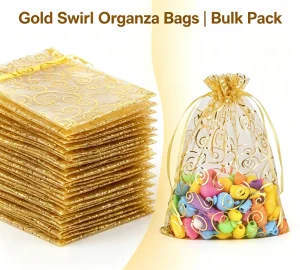
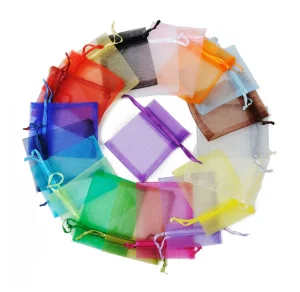
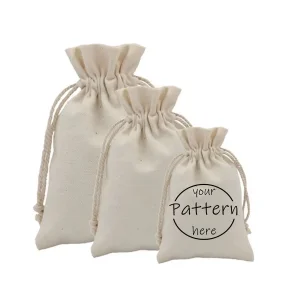
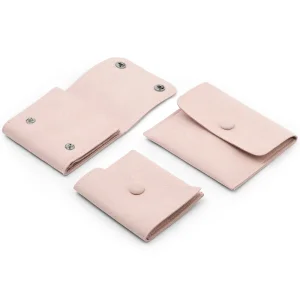
While offering an extensive selection of organza, satin, velvet, cotton, and jute gift pouches, Shenzhen LAHD Bag Co., Ltd. has successfully scaled its operations to include high-durability thermal carriers. These products serve diverse markets across North America, Europe, Oceania, and the Middle East. By combining flexible OEM/ODM capabilities with structured quality control processes, LAHD enables global brands to customize dimensions, materials, and insulation options to match their unique target market requirements.
Unlike standard listing sites that only compare surface-level aesthetics, this whitepaper focuses on the actual material sciences behind modern lunch carriers. When selecting a gingham lunch bag manufacturer, buyers must prioritize structural thermal retention (e.g., density of expanded polyethylene foam, type of heat-reflective foil) and verified chemical testing rather than relying solely on visual pattern choices.
Shenzhen LAHD Bag Co., Ltd. relies on a structured, multi-stage production system to maintain high quality control standards at scale. Below is an overview of the key manufacturing stages and specialized machinery used to produce high-performance textiles and thermal carriers.
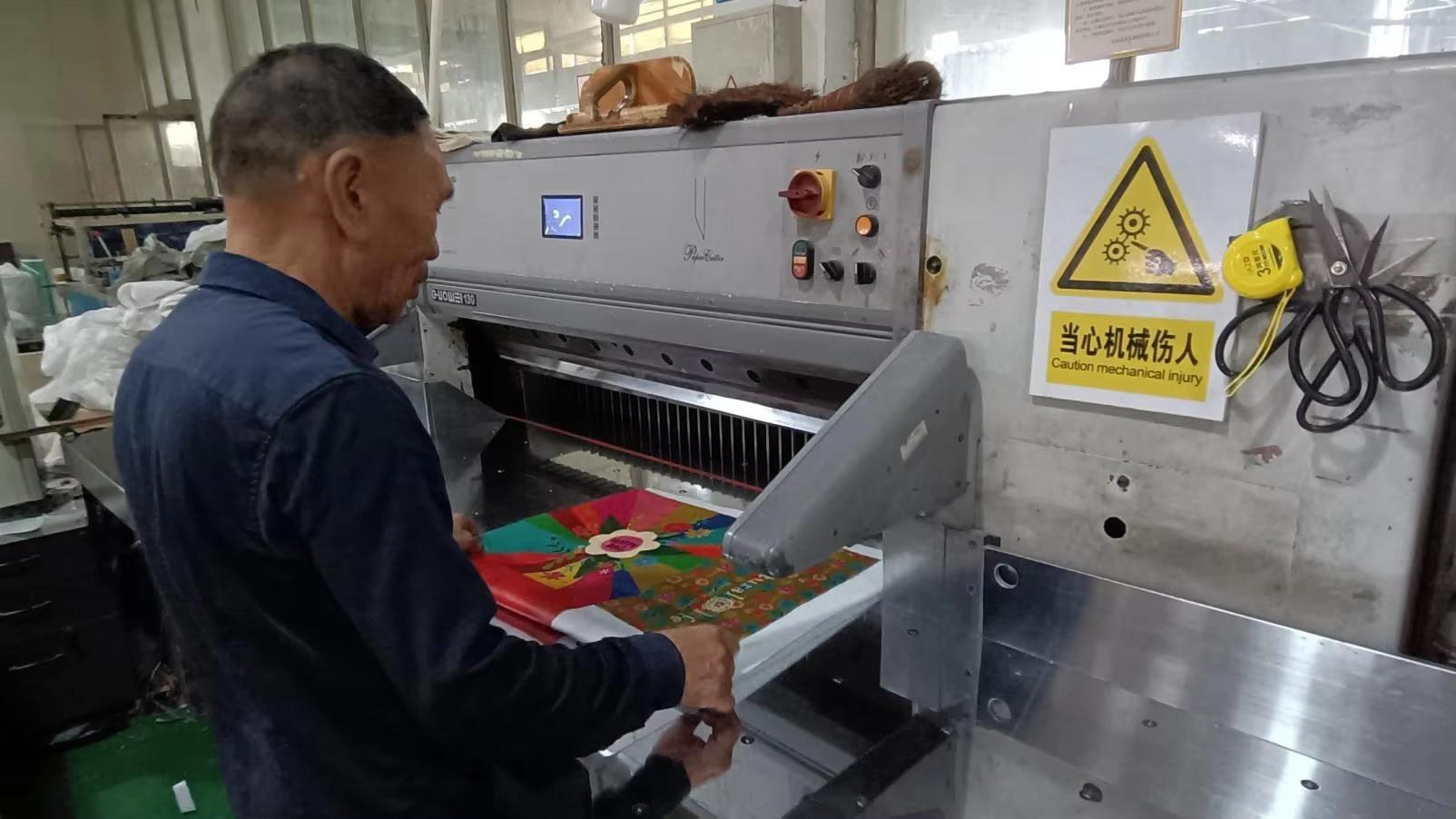
High-precision pattern cutting ensures fabric panels match the specified dimensions within a tolerance of under 1mm.
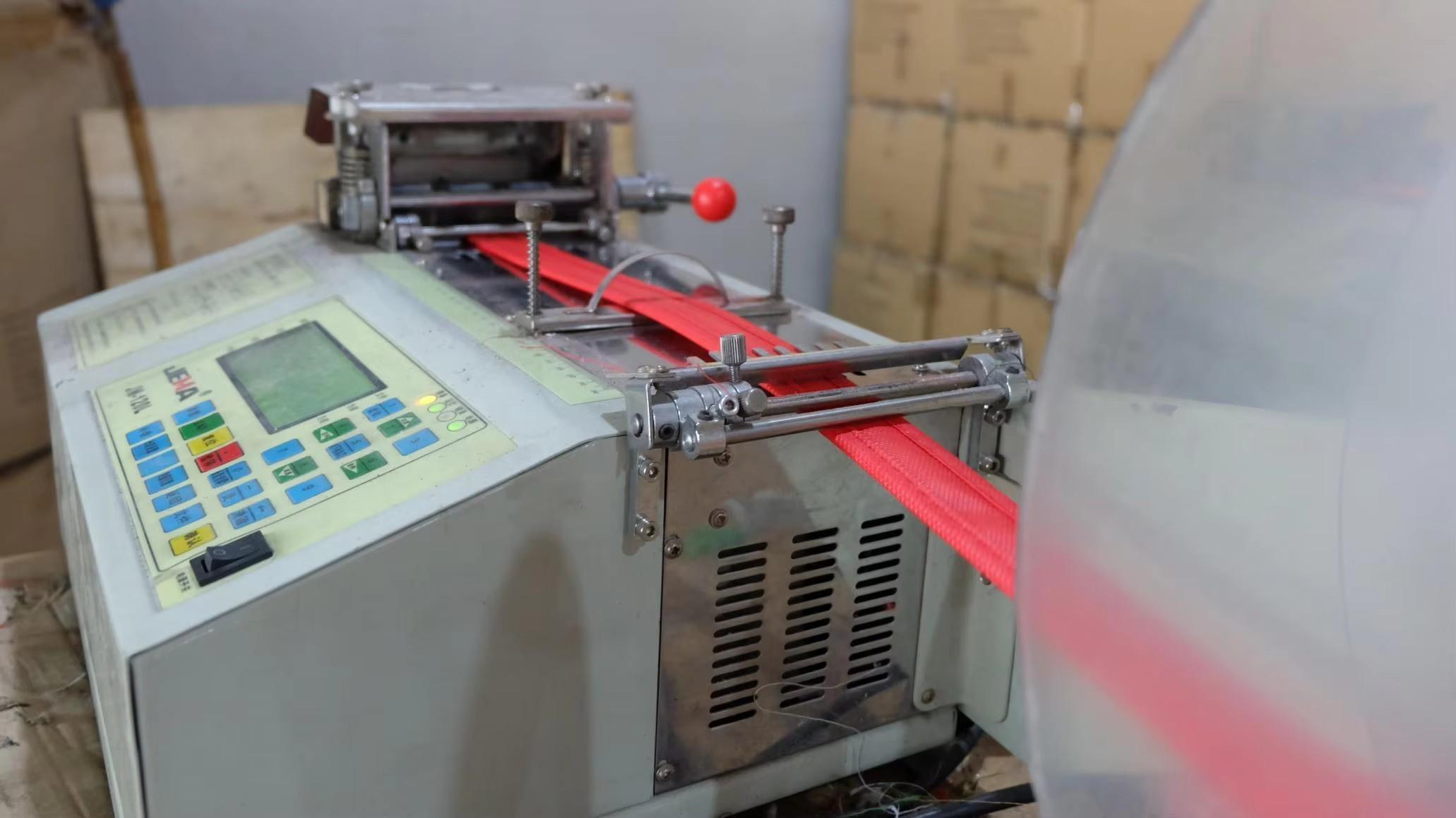
Specialized equipment cuts binding tapes and handle straps, ensuring clean, fray-resistant edges.
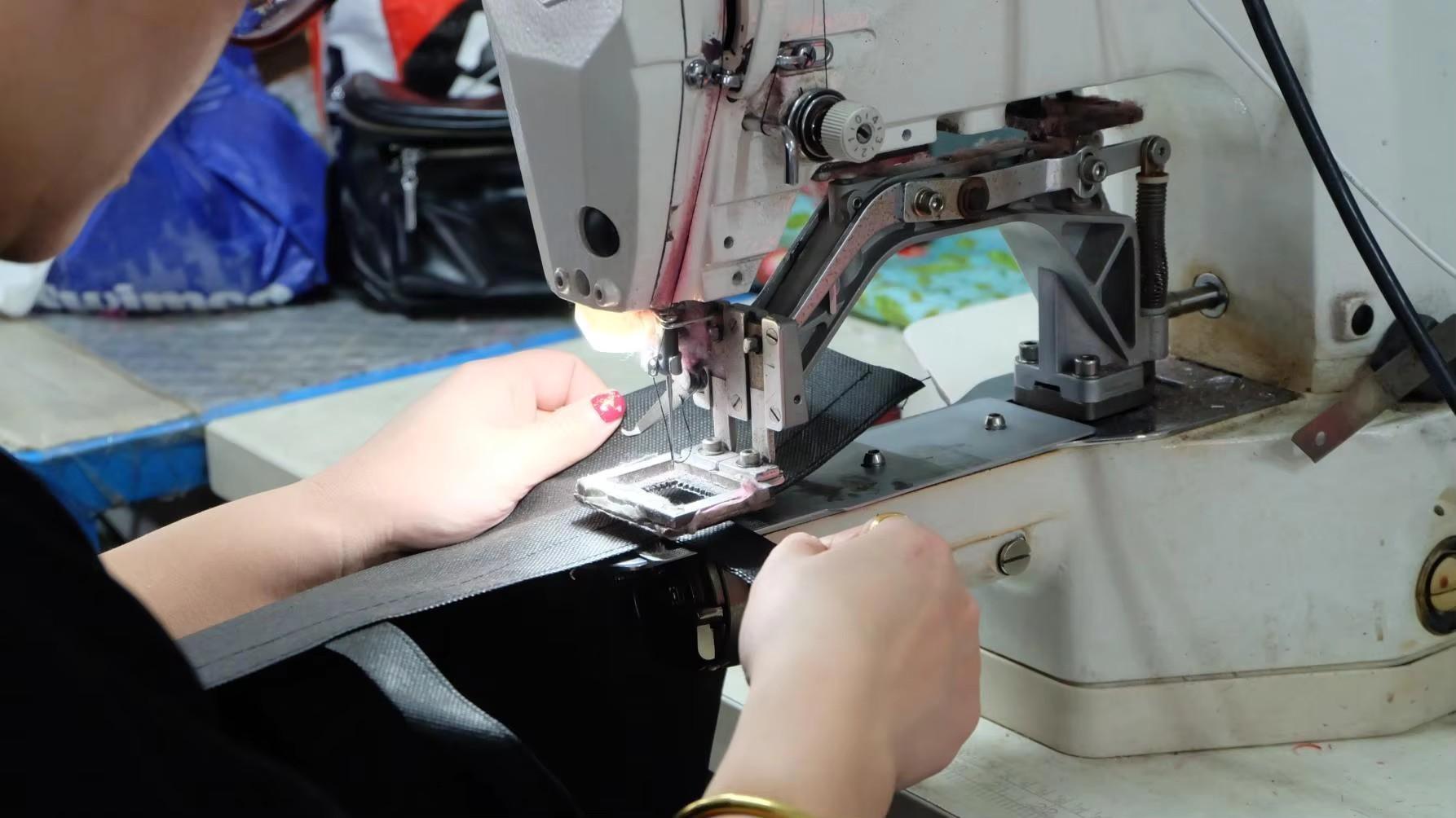
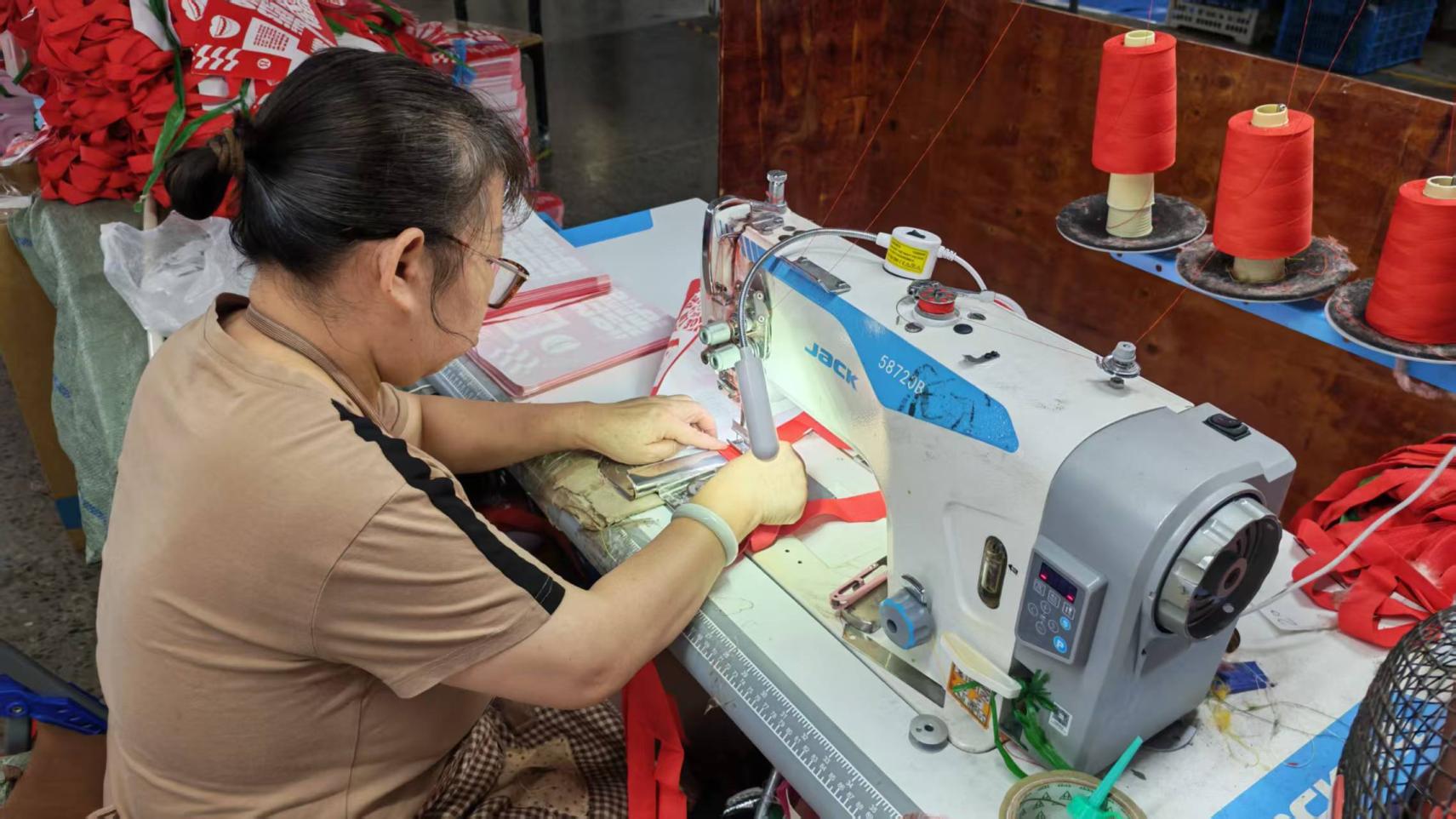
Skilled operators perform reinforced stitching along primary load-bearing points and structural seams.
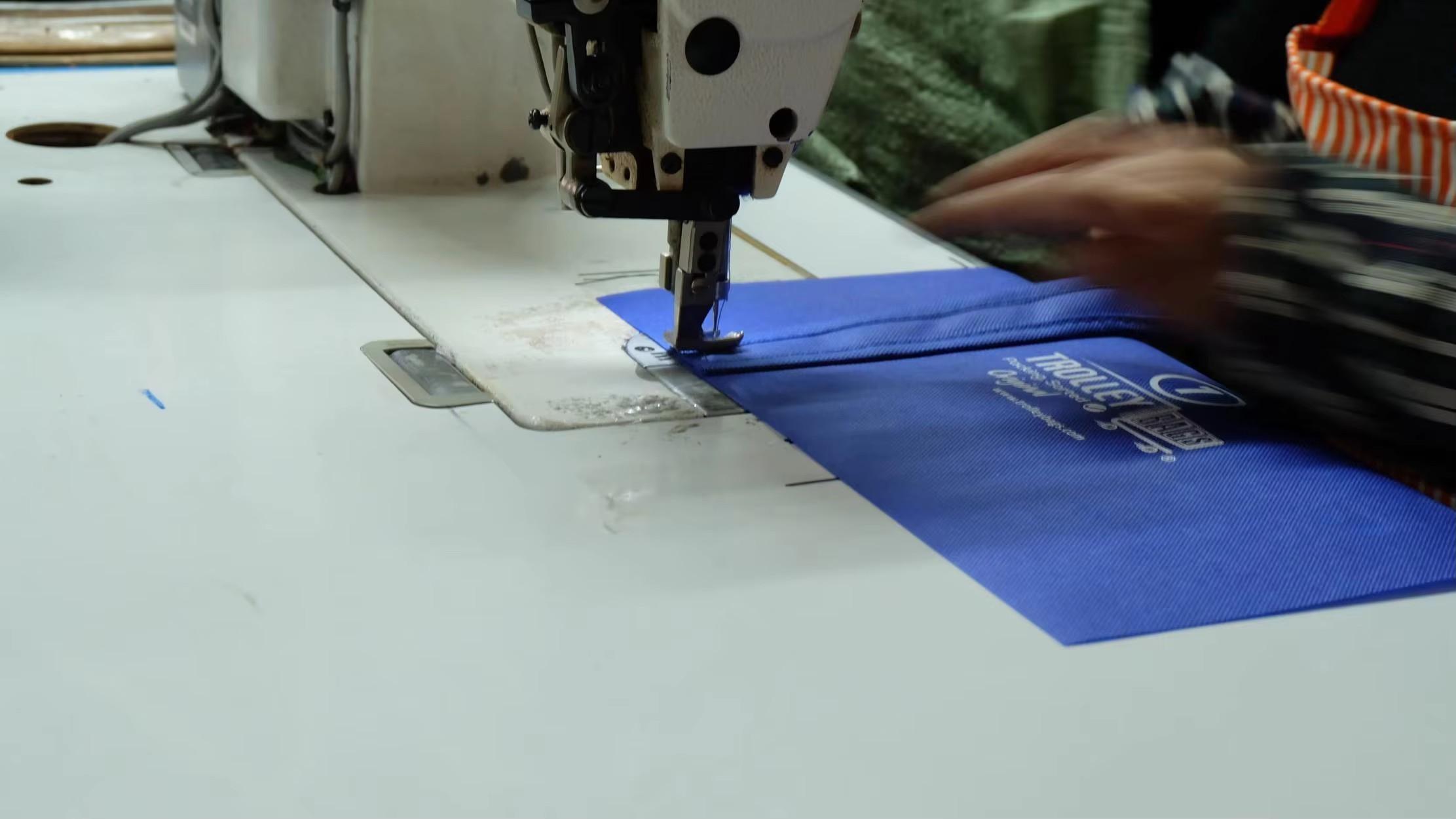
Integrating heat-reflective foil and internal foam cushioning with the external gingham fabric shell.
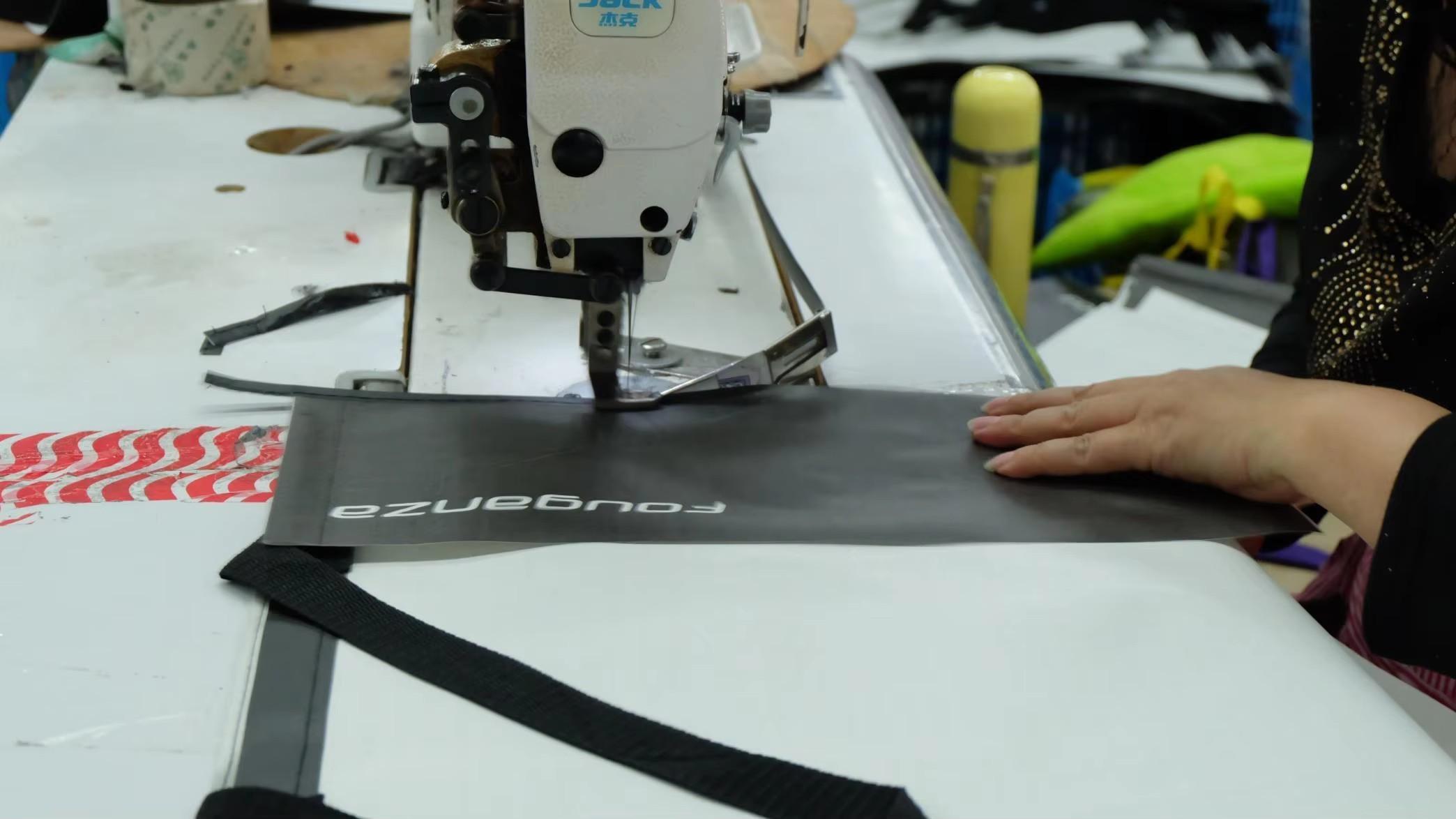
Adding high-grade zippers, custom brand tags, and external pockets to complete the product assembly.
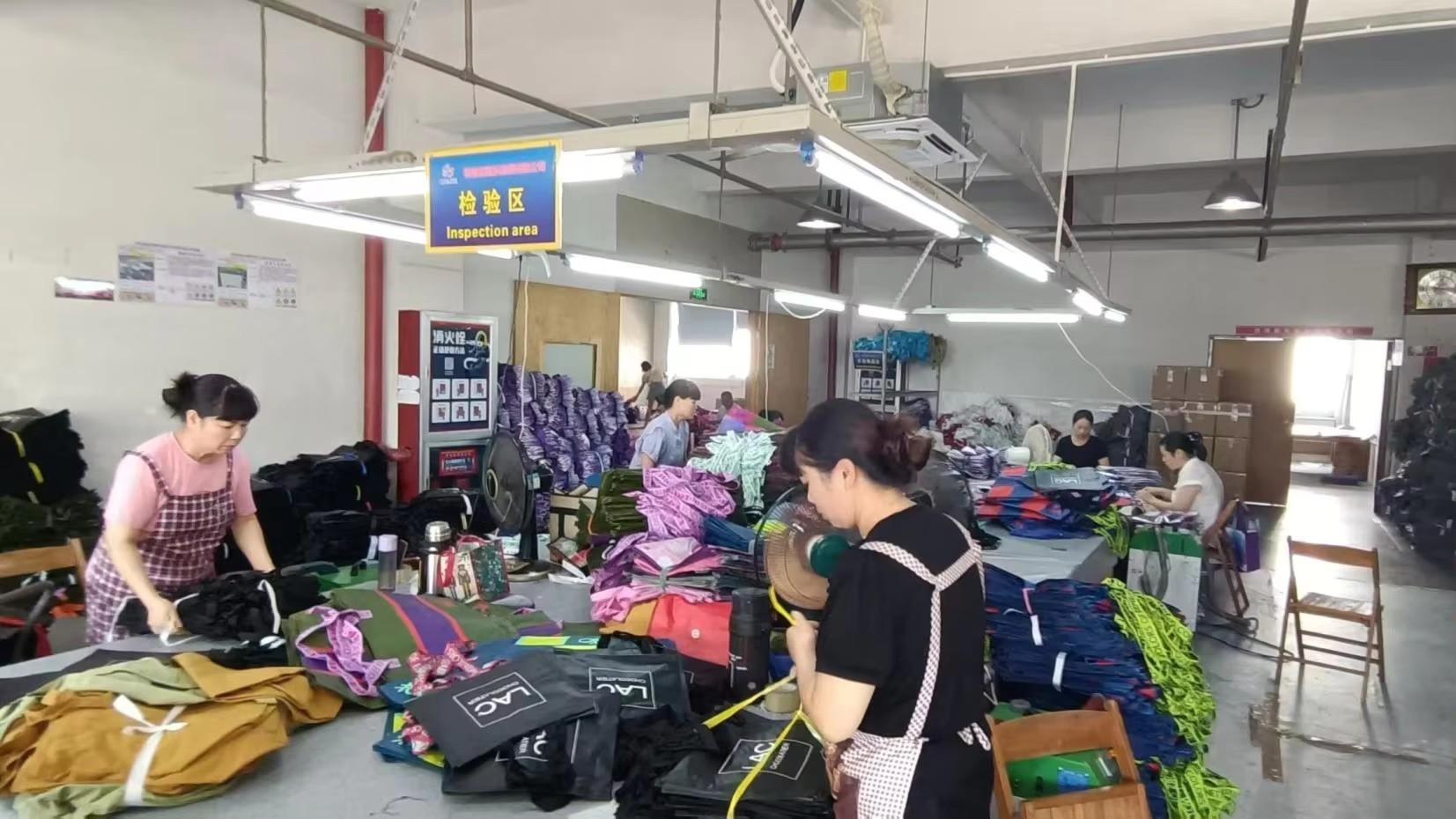
Every finished carrier undergoes visual and functional testing to verify thread tension and check for any cosmetic anomalies.
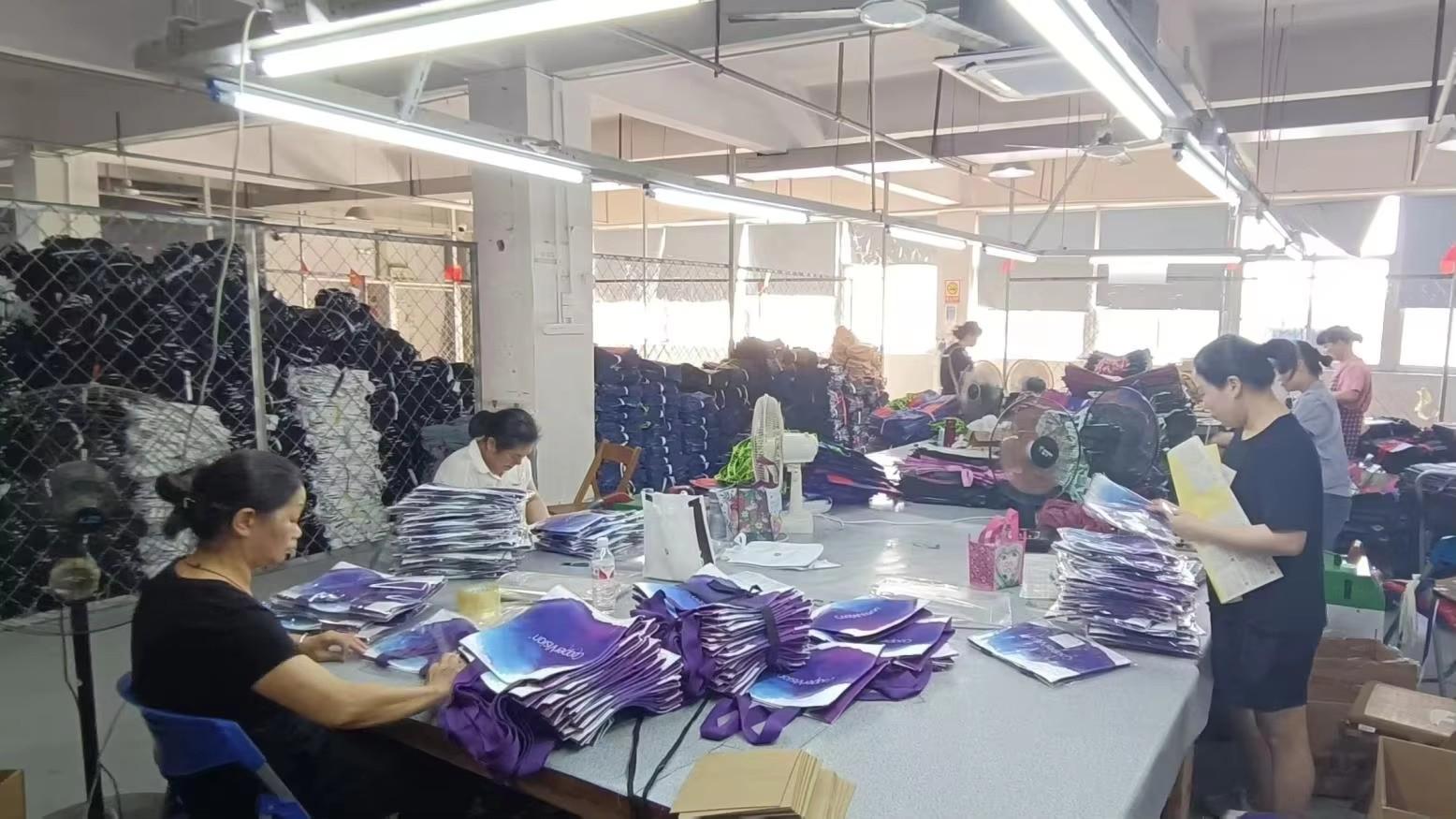
Finished bags are systematically packed into moisture-resistant protective cartons, prepared for long-distance transport.
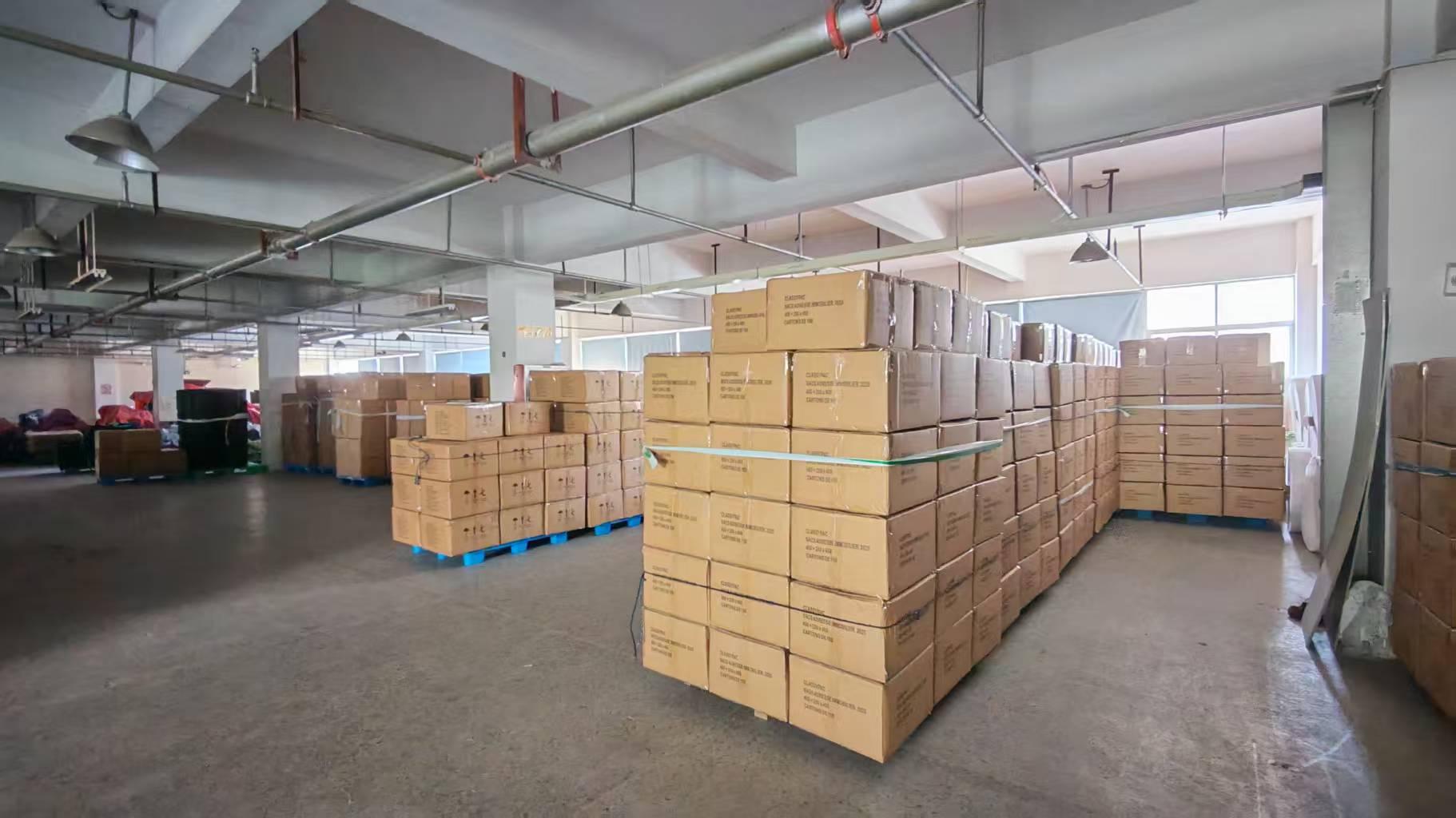
A dry, temperature-controlled warehouse protects stock before container loading and international export.
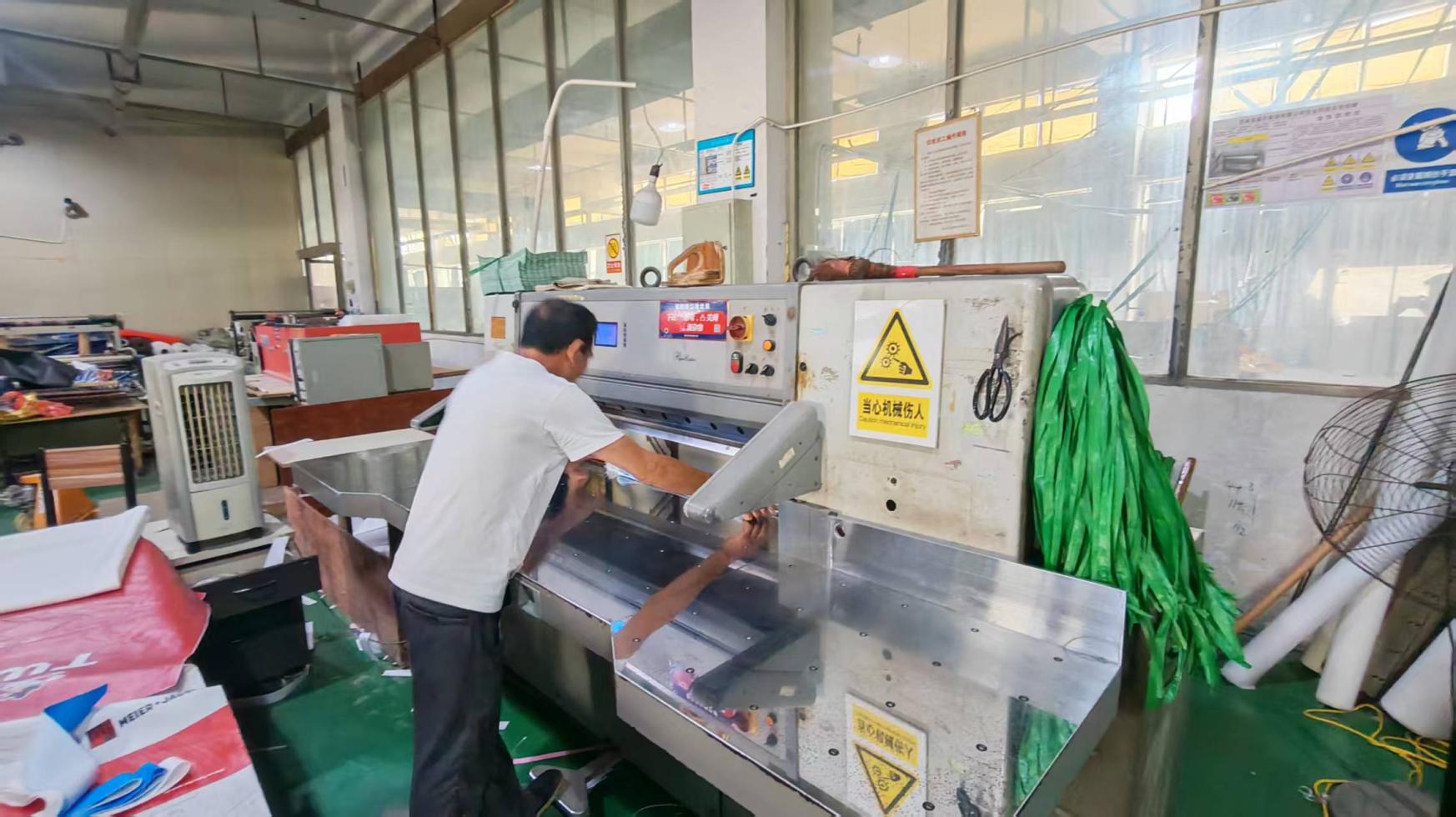
Advanced slitting equipment prepares bulk rolls of raw fabric into accurate widths for specific product patterns.
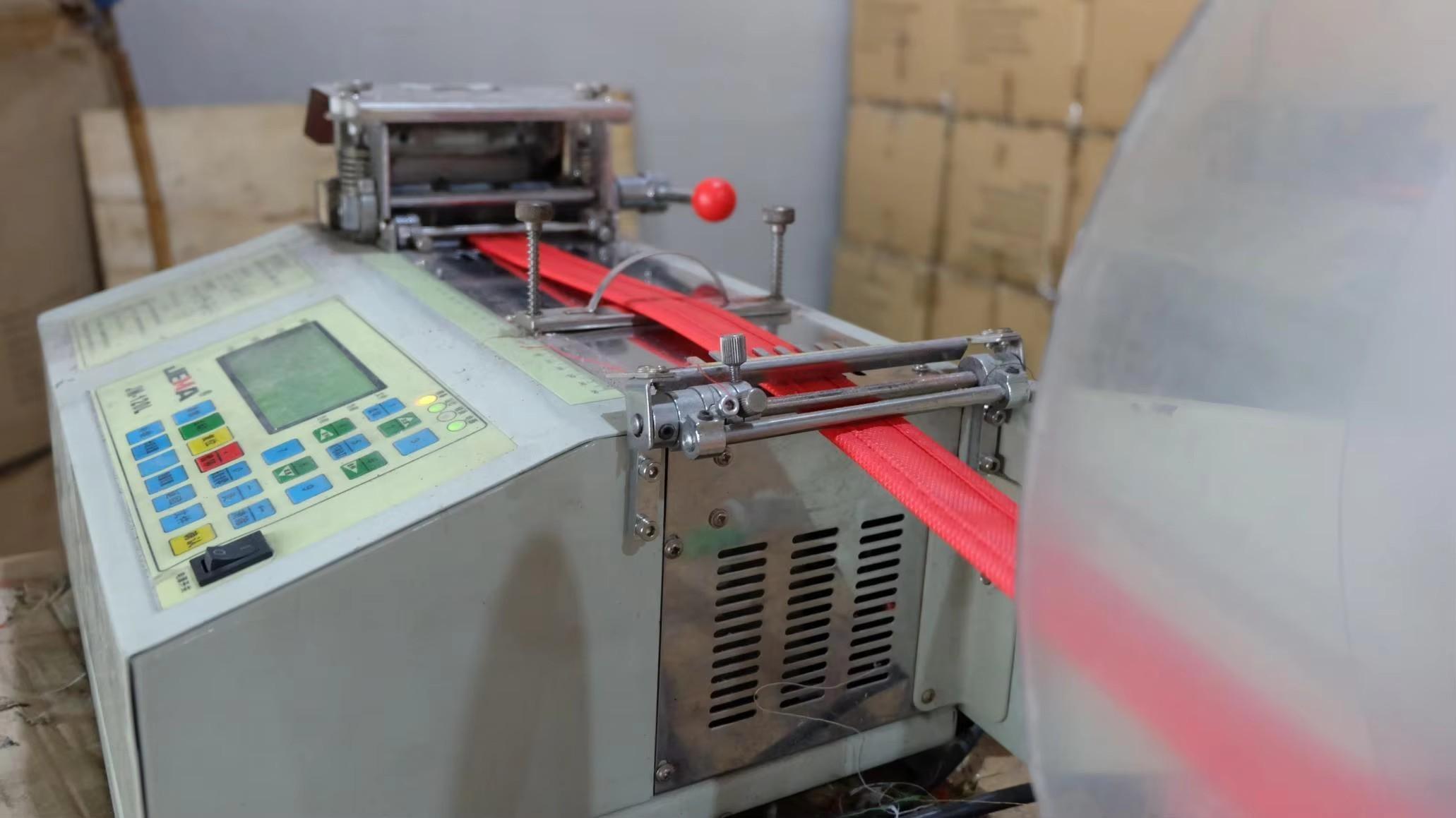
Automated, heat-sealed cutting systems prevent synthetic webbing from fraying at the ends.
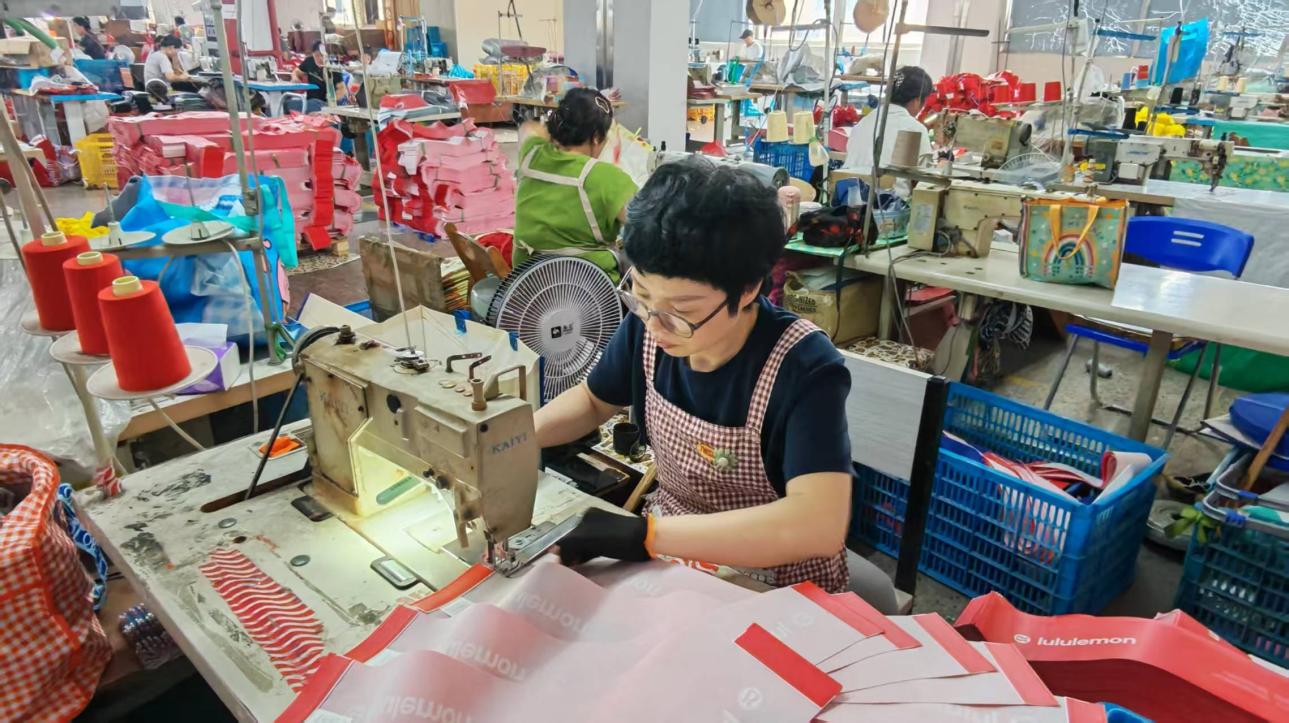
Programmable flatbed sewing systems maintain uniform stitch lengths across long-run fabric panels.
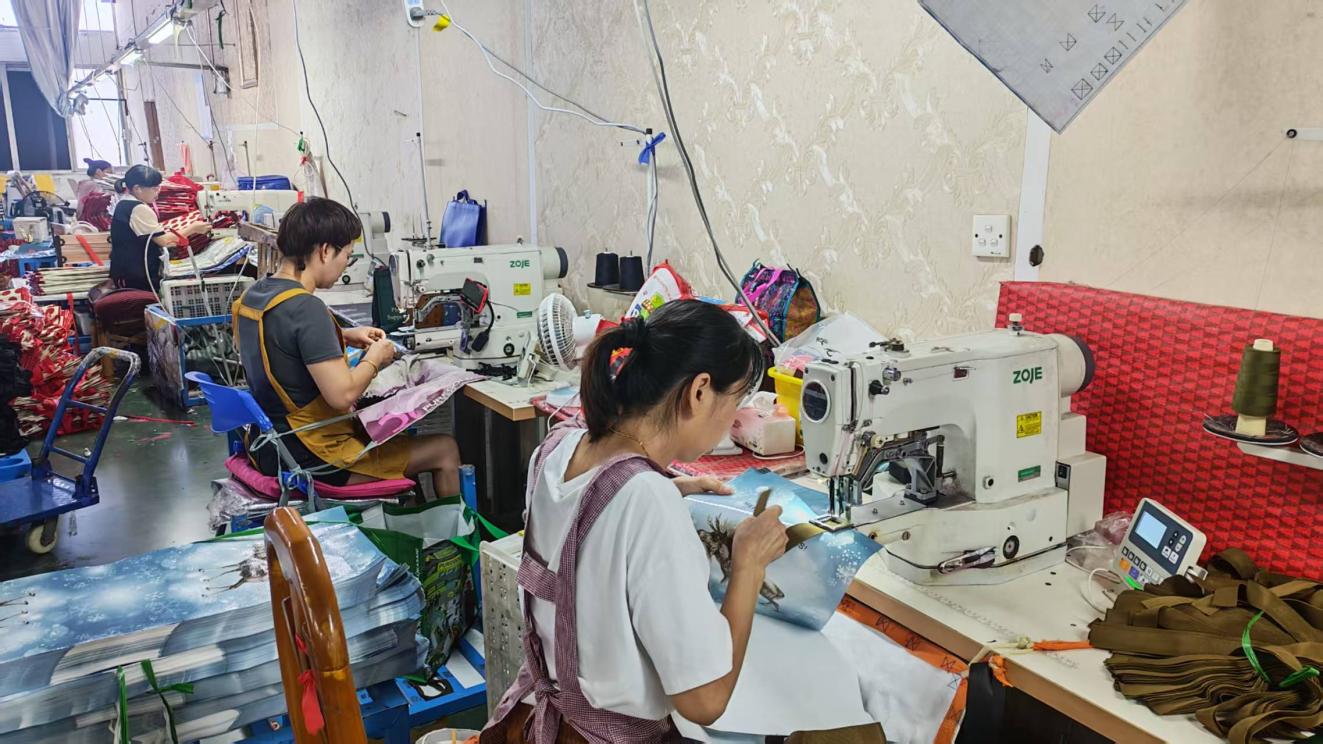
Cylinder-bed systems allow for easy manipulation of 3D bag structures, corners, and circular bottom seams.
Machines configure two lines of stitching simultaneously to add reinforced internal piping and clean finishes.
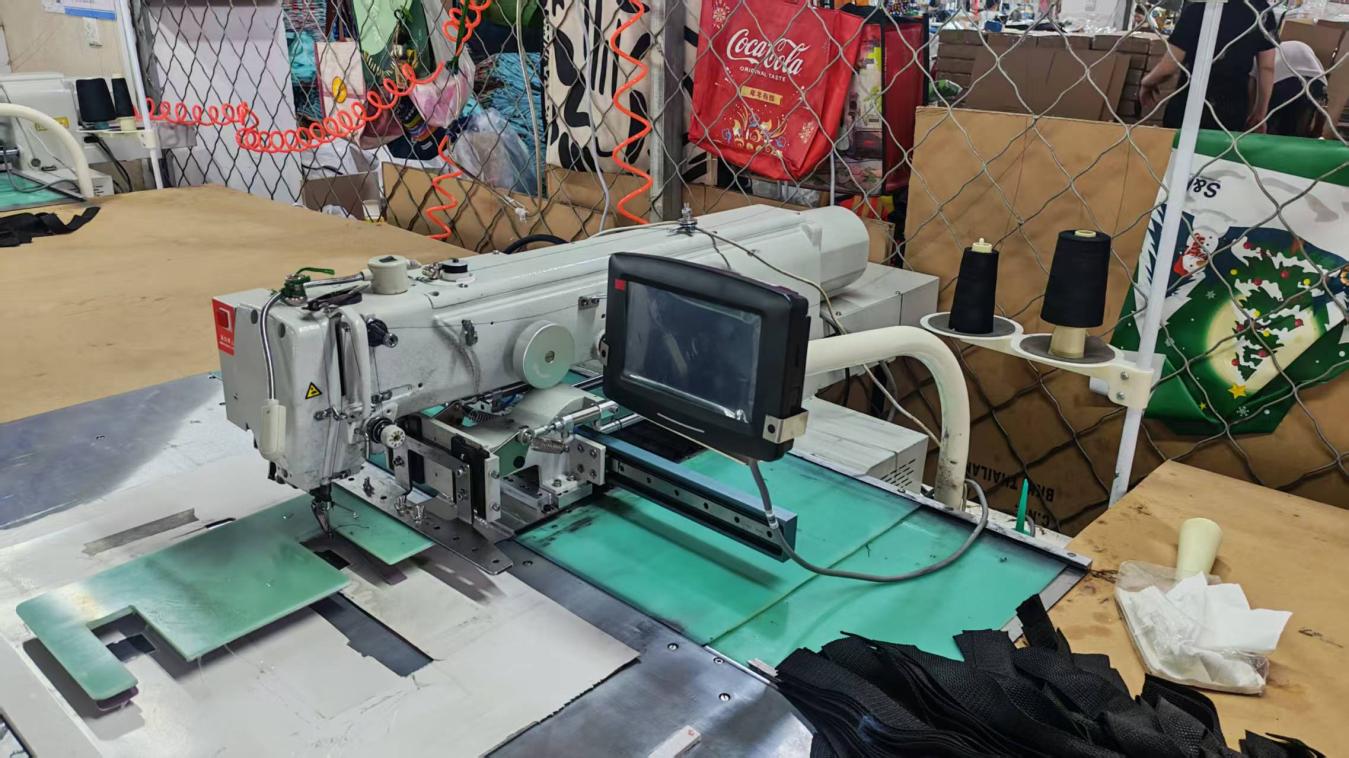
Computer-numeric controlled (CNC) pattern sewing machines automate complex structural patterns, ensuring highly consistent box-tacks, handle attachments, and logo embroideries across every production run.
High-performance gingham lunch bags rely on a triple-layer material composition. Each layer serves a specific structural or environmental function, designed to ensure thermal efficiency, durability, and food safety.
Constructed from high-density, carded cotton canvas or ripstop polyester. The classic checkered pattern is either woven with pre-dyed yarns to prevent fading or printed using eco-friendly, water-based inks that resist UV exposure and wear.
Features 4mm to 6mm of Expanded Polyethylene (EPE) closed-cell foam. This layer acts as a thermal barrier, slowing heat transfer between the interior and exterior environments to maintain stable temperatures.
The interior is lined with food-grade PEVA or aluminum foil. Applied using seamless ultrasonic welding, this lining prevents leaks, makes cleaning easy, and complies with FDA and LFGB food-safety standards.
Laboratory thermal retention tests demonstrate that using high-density 5mm EPE foam combined with a reflective PEVA lining maintains food at temperatures below 10°C (50°F) for up to 6 hours when used with standard 200g ice packs. This level of insulation makes these carriers suitable for daily school and office routines, as well as outdoor activities and picnics.
When exporting to major markets such as North America and the European Union, compliance with food safety regulations is essential. Experienced manufacturers adhere to international standards to ensure their products are safe for daily use.
Products must be certified lead-free, BPA-free, and phthalate-free, meeting the safety requirements of the Consumer Product Safety Improvement Act (CPSIA) for children's school lunch bags.
Lining materials are tested for food contact suitability under European LFGB standards, ensuring no chemical migration occurs when exposed to varied temperatures.
Leading factories maintain compliance with BSCI (Business Social Compliance Initiative) and SMETA codes, demonstrating commitment to fair labor practices and safe working conditions.
The lunch carrier market is adapting to changes in materials and consumer preferences. Below are the key development phases shaping future product designs:
Transitioning from synthetic polyester gingham to organic, rain-resistant waxed cotton and hemp-blend weaves dyed with plant-based colorants.
Replacing standard petroleum-based PEVA linings with PLA (Polylactic Acid) membranes derived from renewable corn starch, offering similar leakproof performance and thermal retention.
Integrating flexible, non-toxic thermochromic displays directly into the lining, allowing users to verify internal temperatures without opening the bag.
Gingham lunch bags serve several distinct market segments, each with unique requirements:
Professionals prefer compact, flat-bottom styles that keep meals upright and fit easily into travel luggage or vehicle compartments, with clean colors matching office attire.
School and university student markets require abrasion-resistant outer fabrics, heavy-duty zippers, water-resistant coatings, and reliable name-tag slots.
Brands use high-end gingham carriers as gift packaging for gourmet hampers, premium cosmetics, or seasonal promotions to elevate their brand presentation.
To manage seasonal demand fluctuations, manufacturers like Shenzhen LAHD Bag Co., Ltd. offer flexible logistics support, including custom packaging, drop-shipping to Amazon FBA centers, and coordinated sea-air shipping methods. This helps buyers maintain consistent inventory levels during peak promotional seasons.
For custom orders involving bespoke gingham patterns, colors, or specialized dimensions, standard MOQs typically range from 1,000 to 3,000 units. This allows for cost-efficient bulk textile weaving and cutting. Standard colors or patterns using pre-stocked materials may be available with lower MOQs of 500 units.
Quality control teams verify seal integrity by filling sample bags with water and monitoring them for leaks over a 24-hour testing period. Ultrasonic welding is preferred over standard stitching for lining assembly, as it fuses the PEVA panels together to create a continuous, puncture-resistant barrier.
While some polyester-based outer shells can withstand delicate wash cycles, we recommend wiping the interior and exterior clean with a damp cloth and mild soap. This helps maintain the thermal efficiency of the inner EPE foam and preserves the shape of the bag over time.
The best method depends on the exterior fabric. For cotton canvas gingham, silk-screen printing or detailed embroidery provides a premium feel. For ripstop polyester, dye-sublimation and heat-transfer printing are ideal for preserving detail and color quality.
The company sources raw materials from certified suppliers who undergo regular testing. Third-party testing companies, such as SGS or Intertek, perform regular audits to verify that all PEVA linings, zippers, and outer fabrics are free from lead, BPA, and phthalates, in compliance with FDA and REACH regulations.
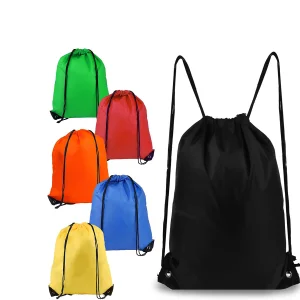
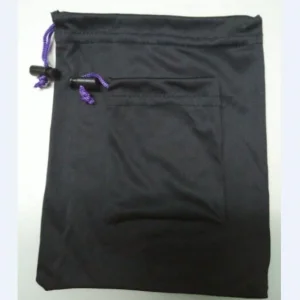
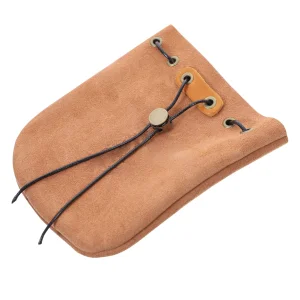
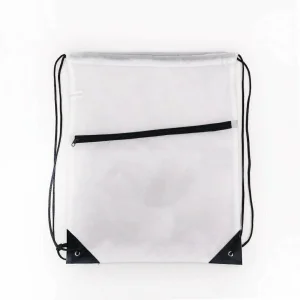
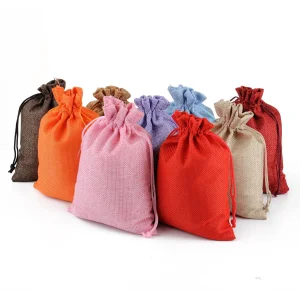
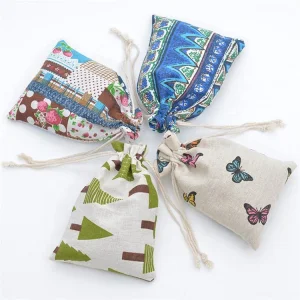
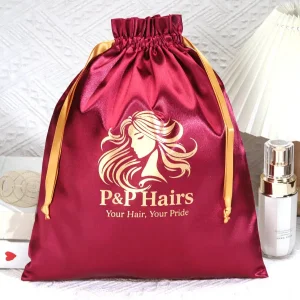
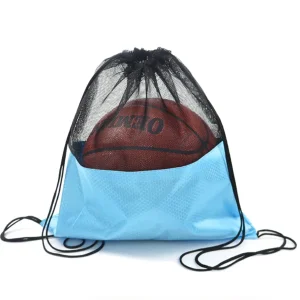
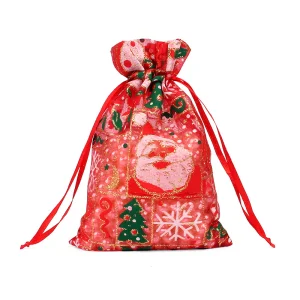
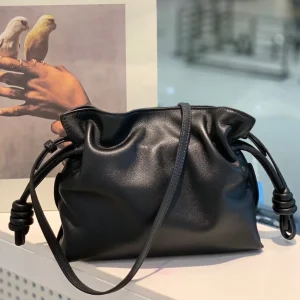
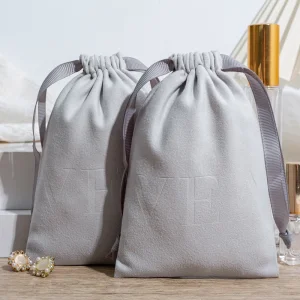
Explore further selections from our extensive packaging and container product line, featuring high-quality finishes, custom prints, and reliable drawstring mechanics designed for luxury items, gifts, and cosmetic storage.
 LAHD Bag