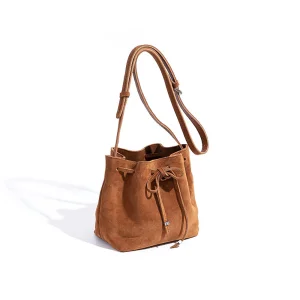
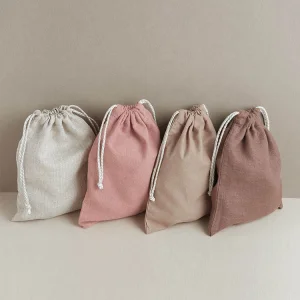
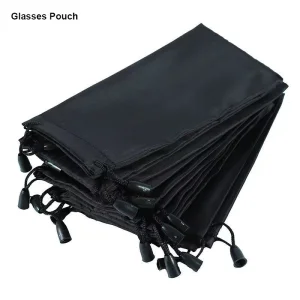
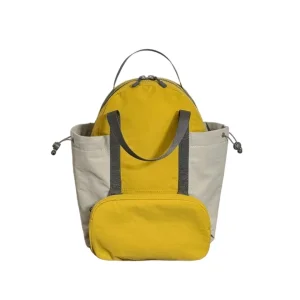
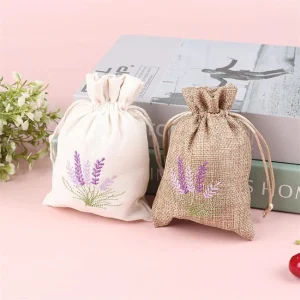
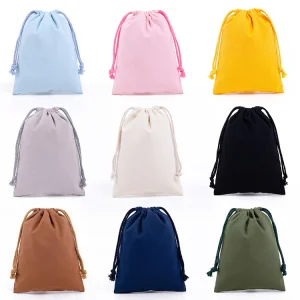
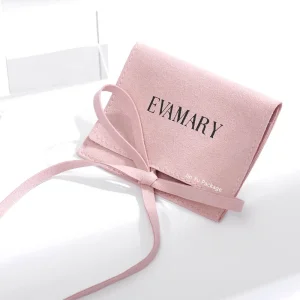
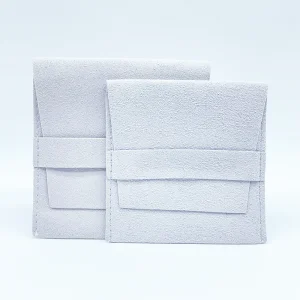
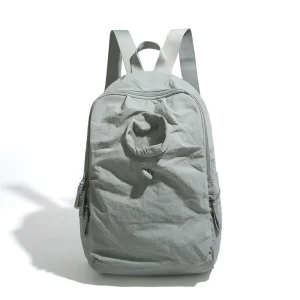
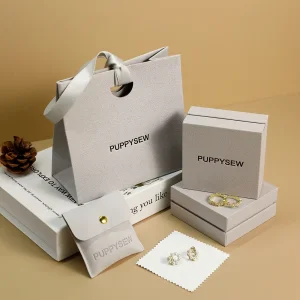
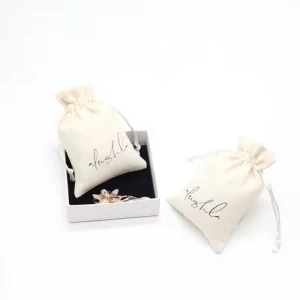
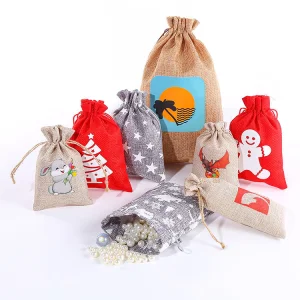
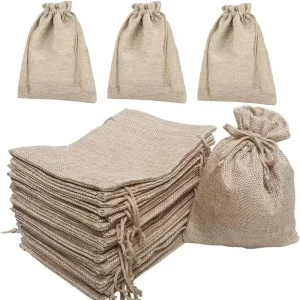
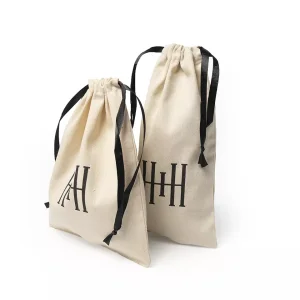
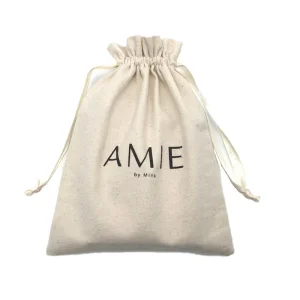
Explore our high-demand selection of customized packaging pouches, featuring diverse designs from classic drawstring styles to premium material blends. Every product is engineered for branding impact, structural durability, and eco-friendly compliance.
In the contemporary B2B packaging paradigm, the choice of a packaging supplier is no longer merely a transactional procurement decision; it is a critical axis of brand identity, environmental compliance, and supply chain resilience. As global consumer demand aligns decisively with circular economy principles, corporate buyers are transitioning away from single-use plastics and looking toward high-performance, natural, and biodegradable alternatives. Natural cotton canvas, renowned for its mechanical durability and soft haptic feedback, stands at the absolute forefront of this structural shift.
Shenzhen LAHD Bag Co., Ltd., established in 2006, is a premier, vertically integrated manufacturer and exporter specializing in high-performance packaging and custom canvas bags. Over nearly two decades of operation, our corporate philosophy has prioritized strict compliance with international standards, deep technical expertise in textile science, and a customer-centric operational model. By combining state-of-the-art sewing and pattern facilities with robust local raw material access, we serve as a vital link in the international supply chains of global luxury, cosmetics, consumer electronics, and retail brands.
To ensure optimal design and functionality for specific applications, understanding the material composition and textile dynamics is essential. We categorize canvas and cotton fibers according to their fabric weight, measured in **Grams per Square Meter (GSM)** or **Ounces (oz)**. This metric determines the structural rigidity, opacity, and performance characteristics of the finished packaging pouch:
Characterized by a plain, loose weave. Outstanding breathability and high tensile strength at a low unit cost. Ideal for custom jewelry dust covers, organic herb pouches, and premium inner lining protection.
Tight weave configuration featuring a higher density structure. This canvas offers superior resistance to abrasions and provides a robust canvas for high-definition screen printing, heat transfer, and precision embroidery.
An extremely rigid, thick fabric profile utilized for premium promotional tote bags, industrial tool pouches, and high-end retail packaging where form-retention and maximum load capacity are mandatory.
At Shenzhen LAHD Bag Co., Ltd., we recognize that cosmetic brands, jewelry houses, and consumer electronics firms demand bespoke characteristics. We offer advanced chemical and mechanical treatments, including:
Global B2B procurement professionals must navigate total cost of ownership (TCO) constraints, lead times, and product consistency. Chinese textile manufacturing hubs, particularly the Shenzhen and Pearl River Delta clusters, maintain a highly competitive position globally due to the following integrated advantages:
From raw cotton cultivation in Xinjiang to spinning mills, dye houses, weaving plants, accessory manufacturers (drawstrings, eyelets, zippers), and custom printing workshops, the entire ecosystem operates within a tight geographical cluster. This allows for rapid sourcing and prototype iteration, minimizing material transport delays.
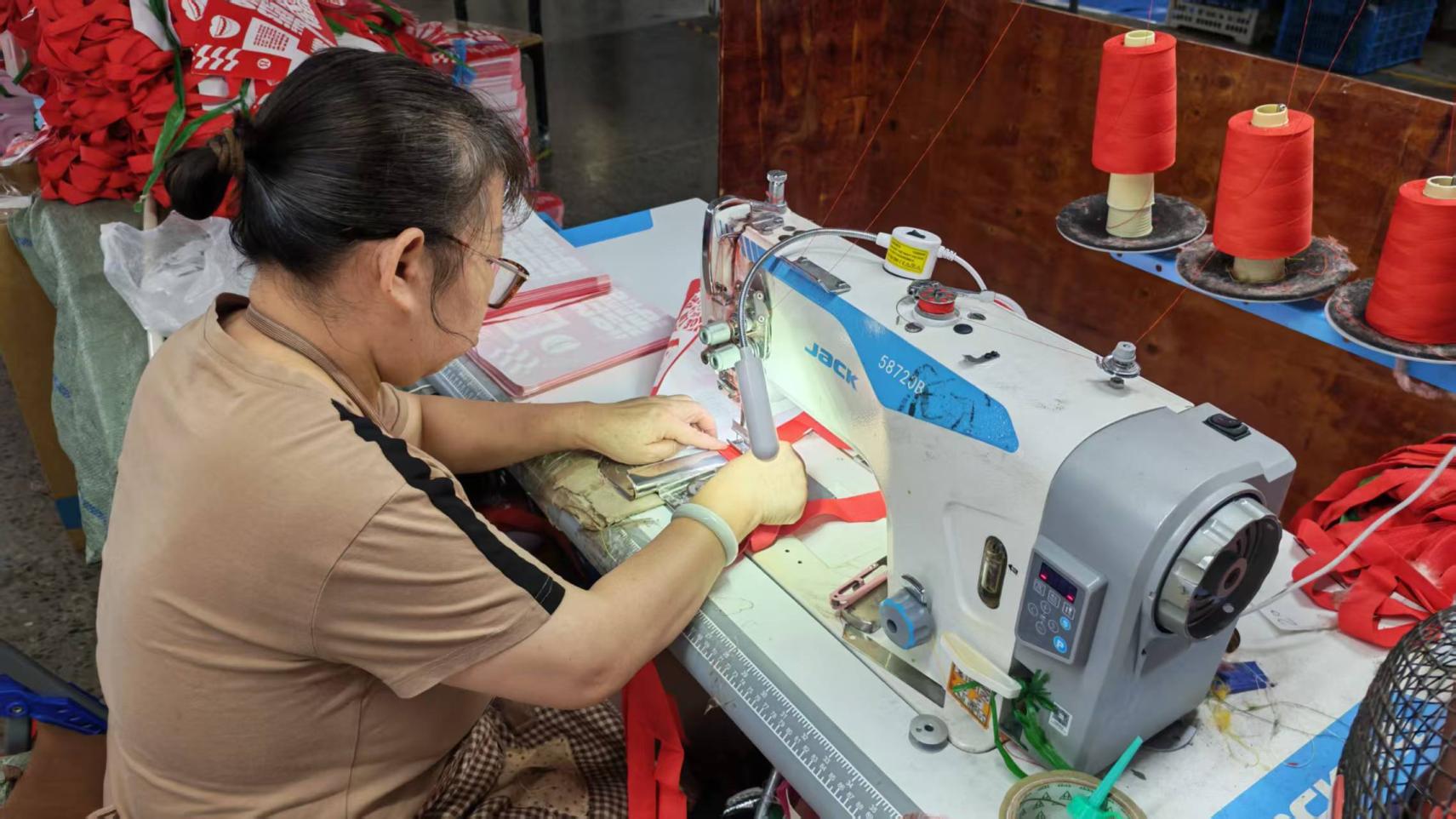
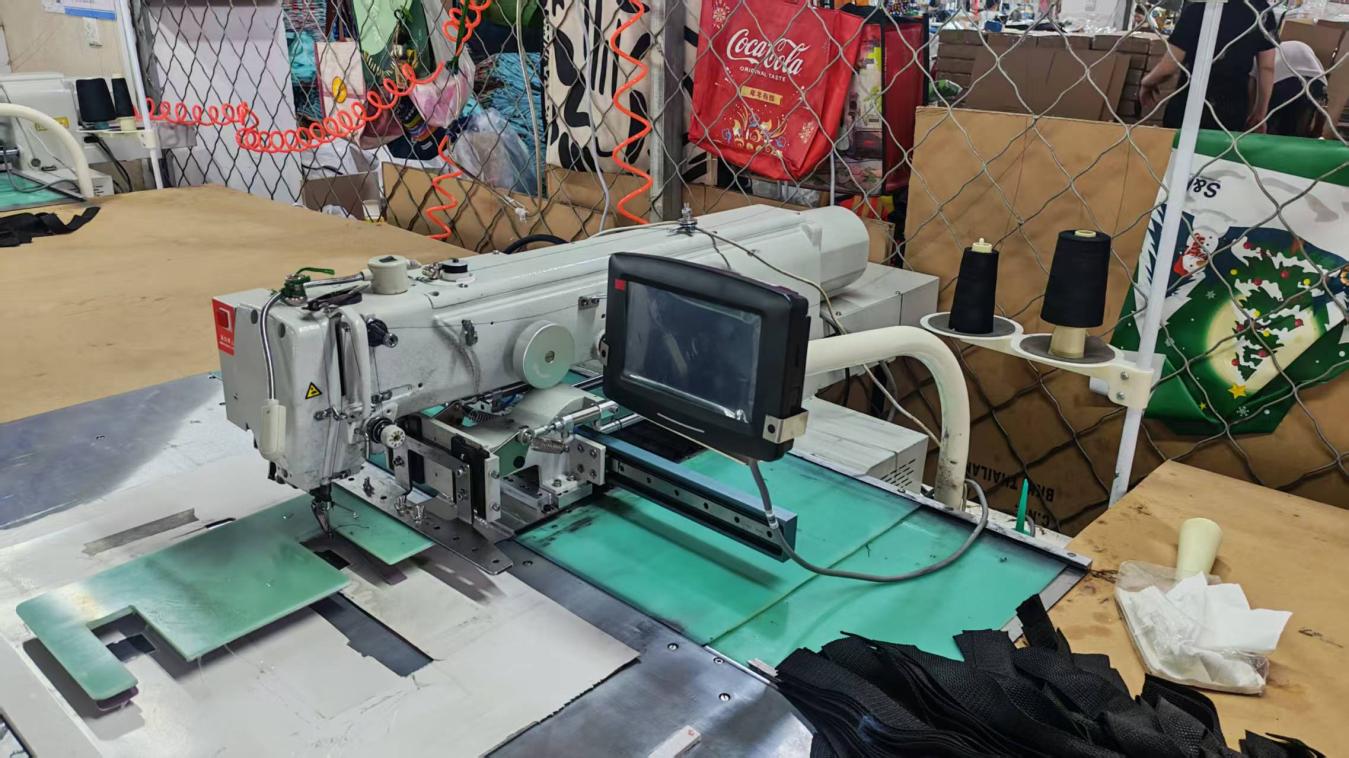
Chinese manufacturers have moved beyond basic manual sewing operations. By integrating automated pattern-sewing systems, computer-guided laser fabric cutting machines, and state-of-the-art digital textile printers, Shenzhen LAHD Bag Co., Ltd. achieves consistent dimensional tolerances of less than 2mm, which is critical for precision packaging.
Operating out of Shenzhen gives direct access to major global deep-water container ports (Yantian, Shekou) and proximity to Hong Kong International Airport. This allows for flexible and rapid shipping schedules, reducing sea transit times to Europe, North America, and Australia.
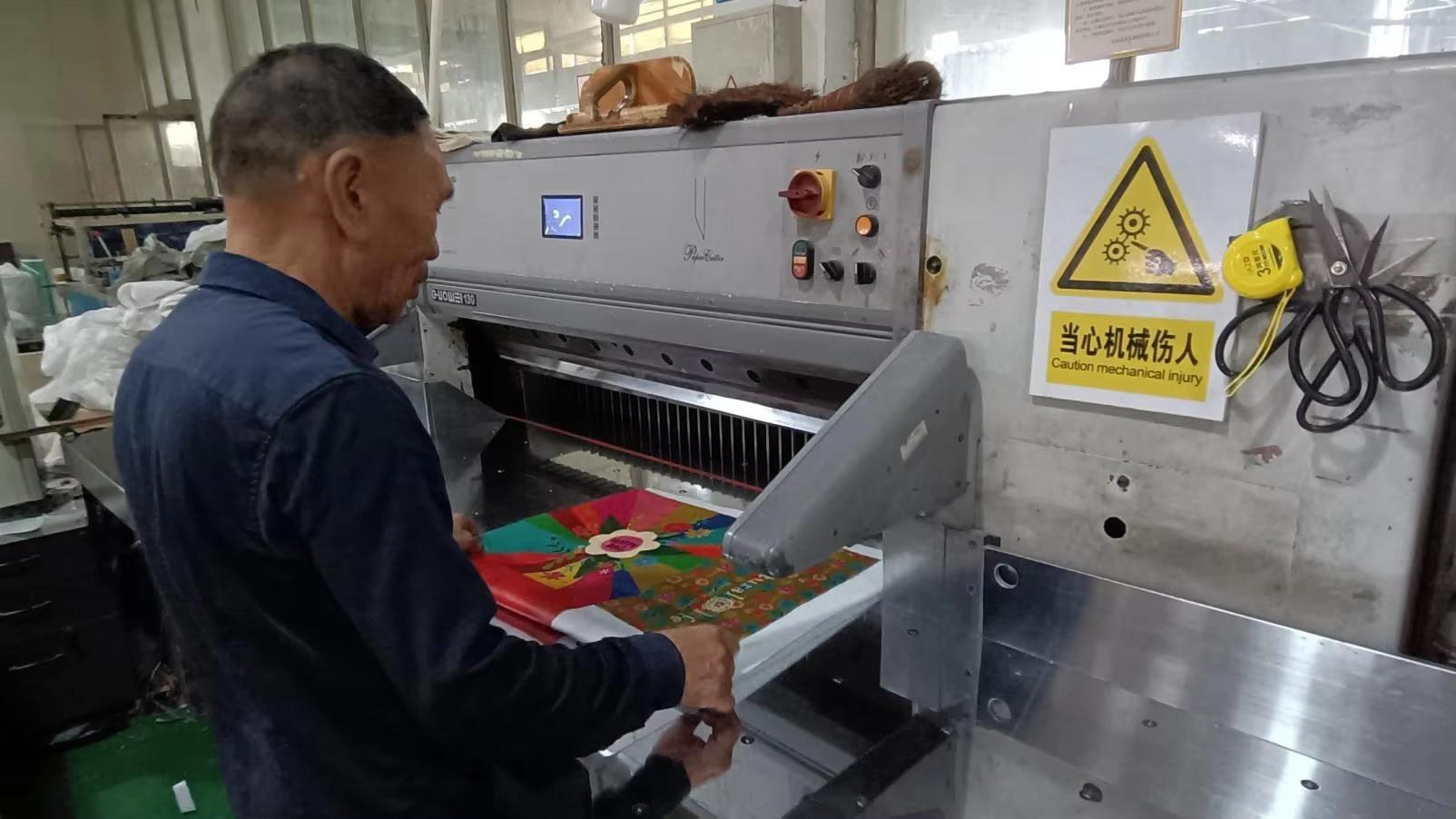
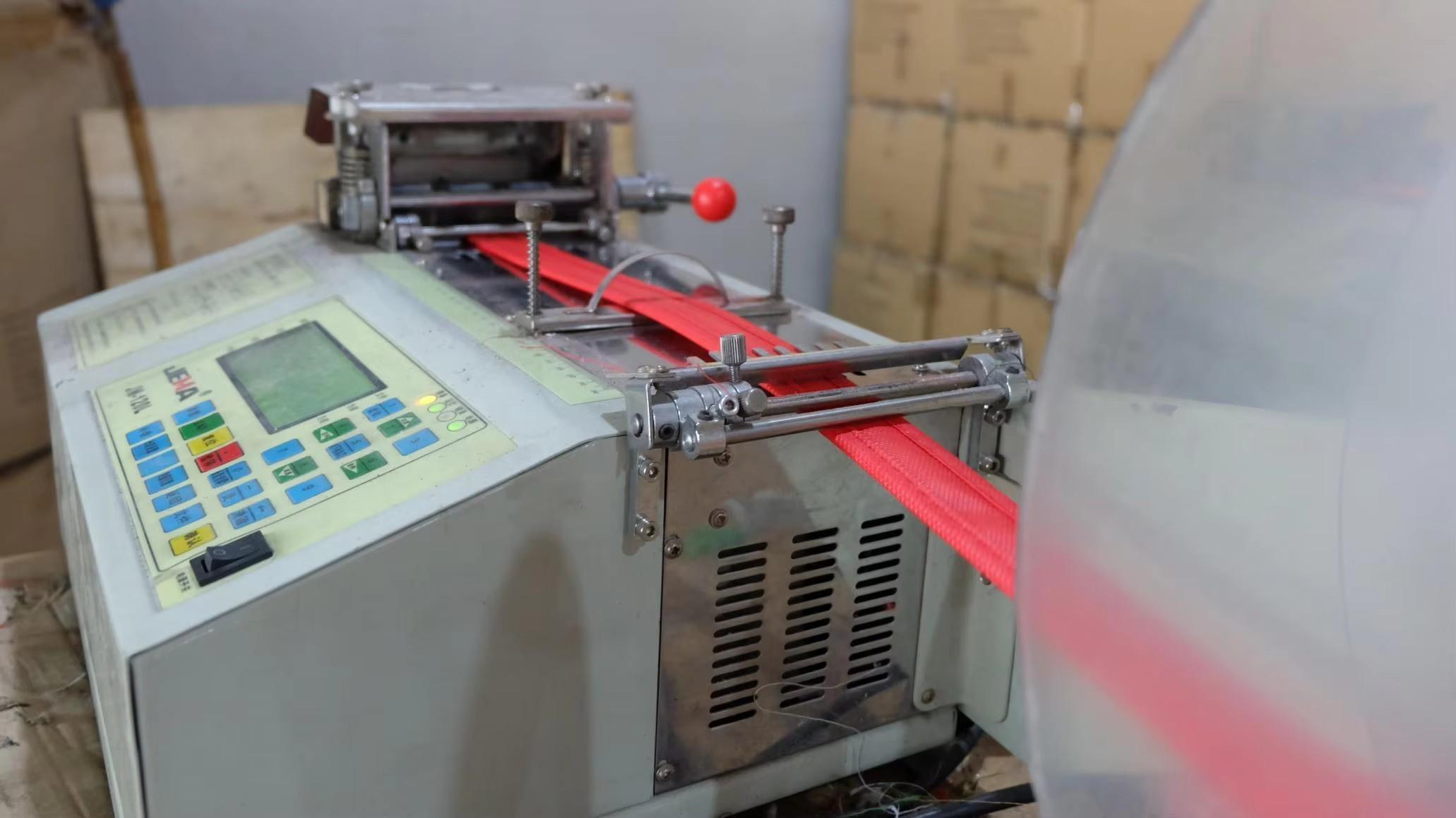
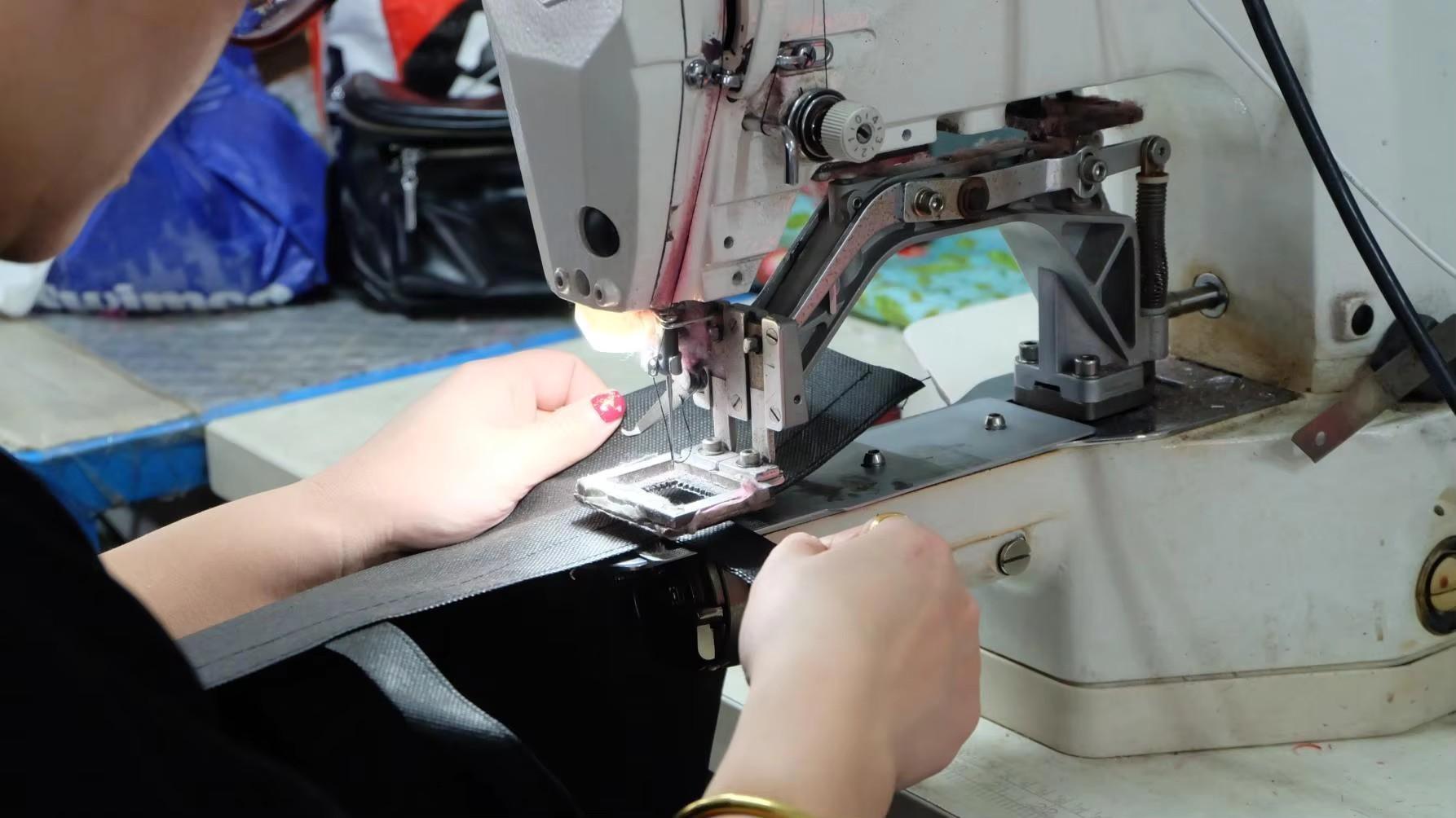
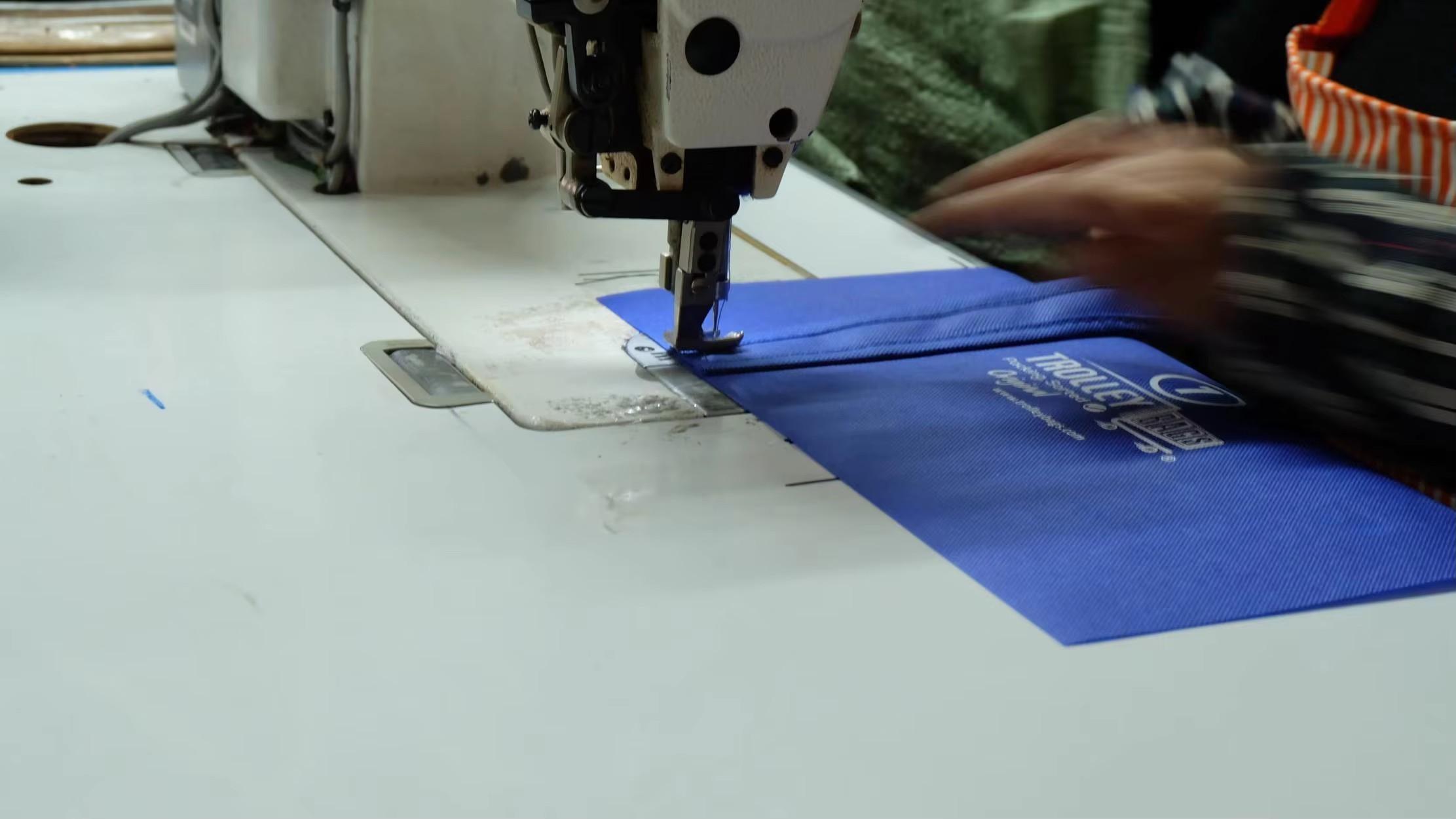
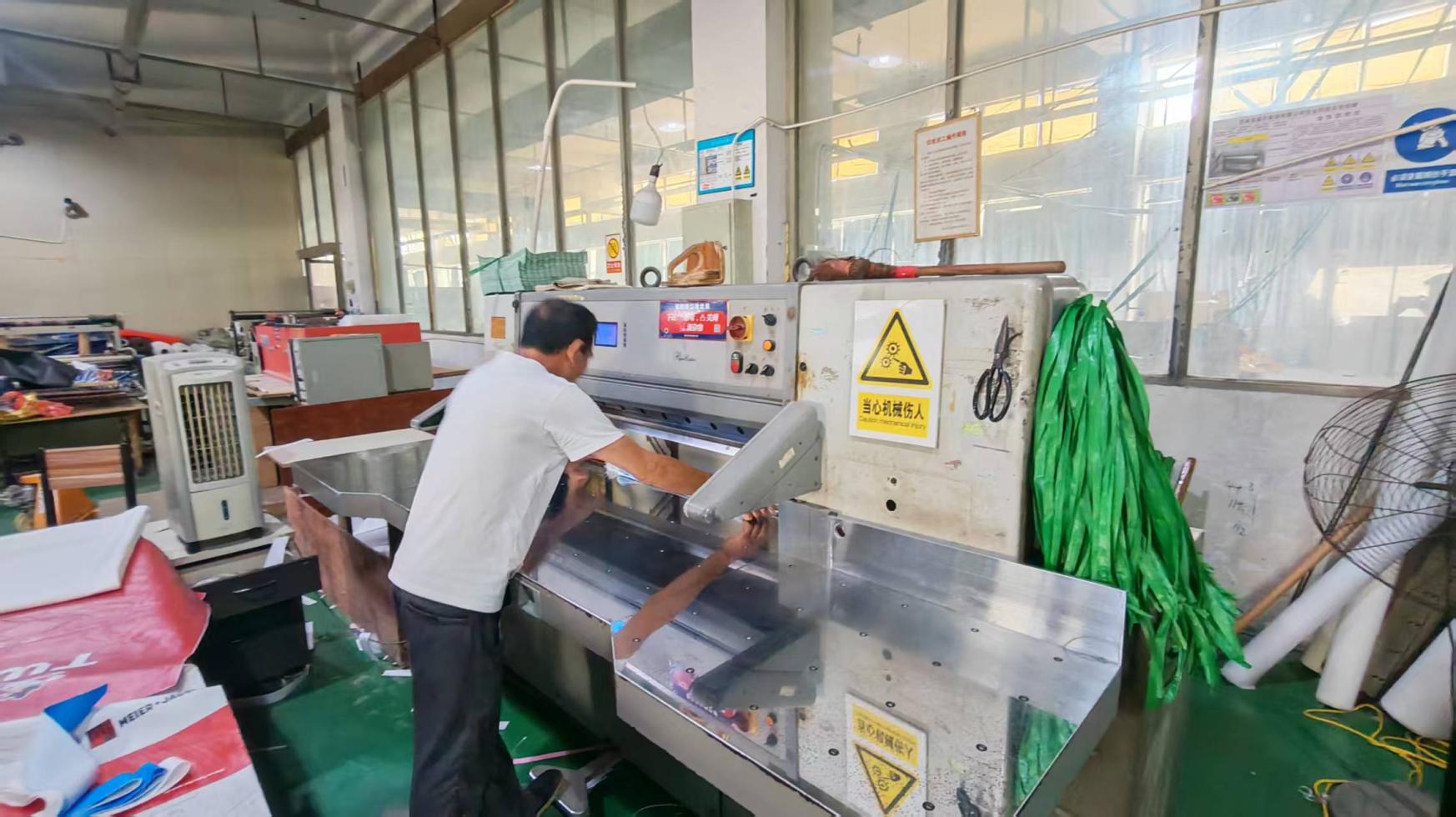
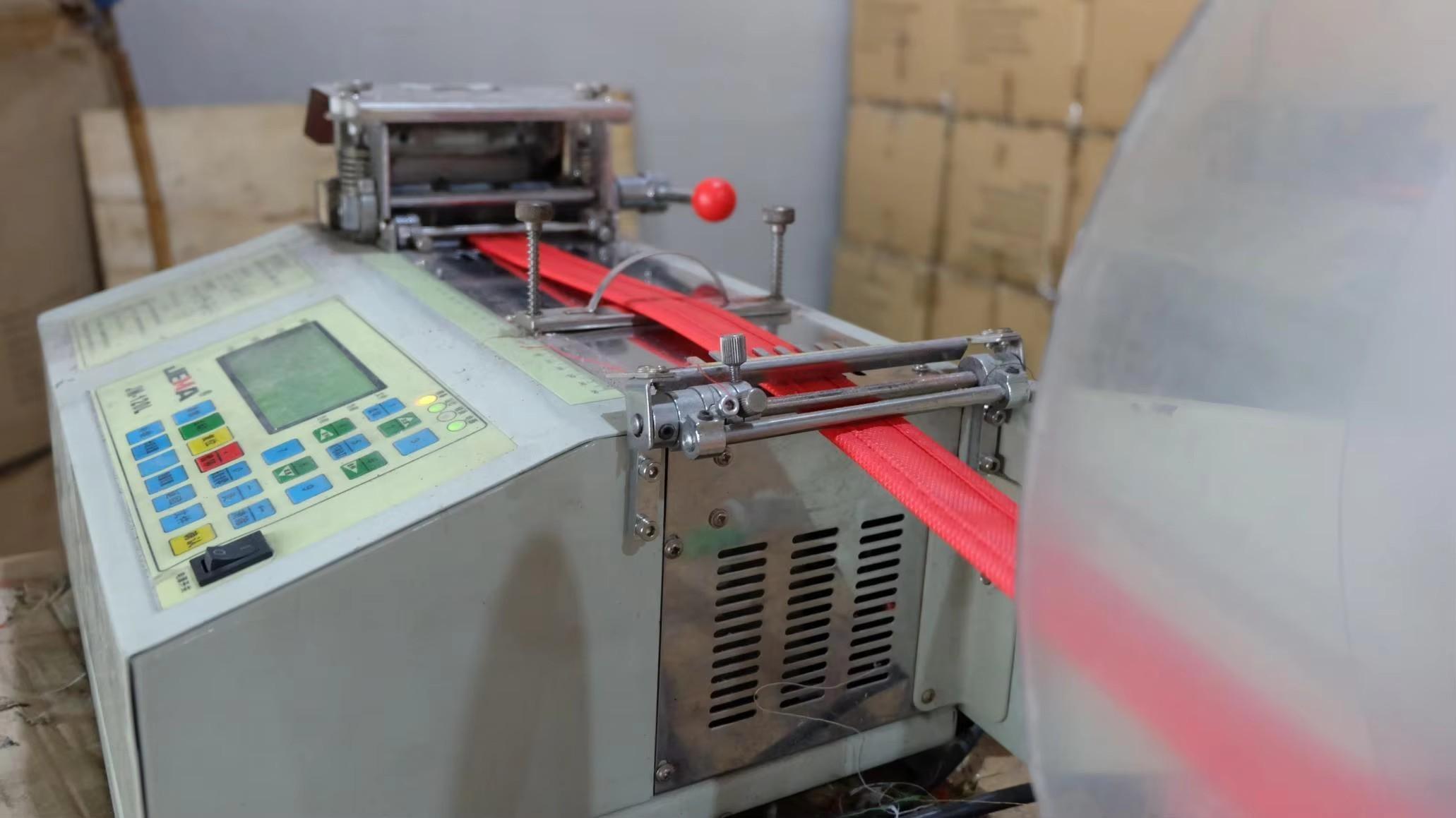
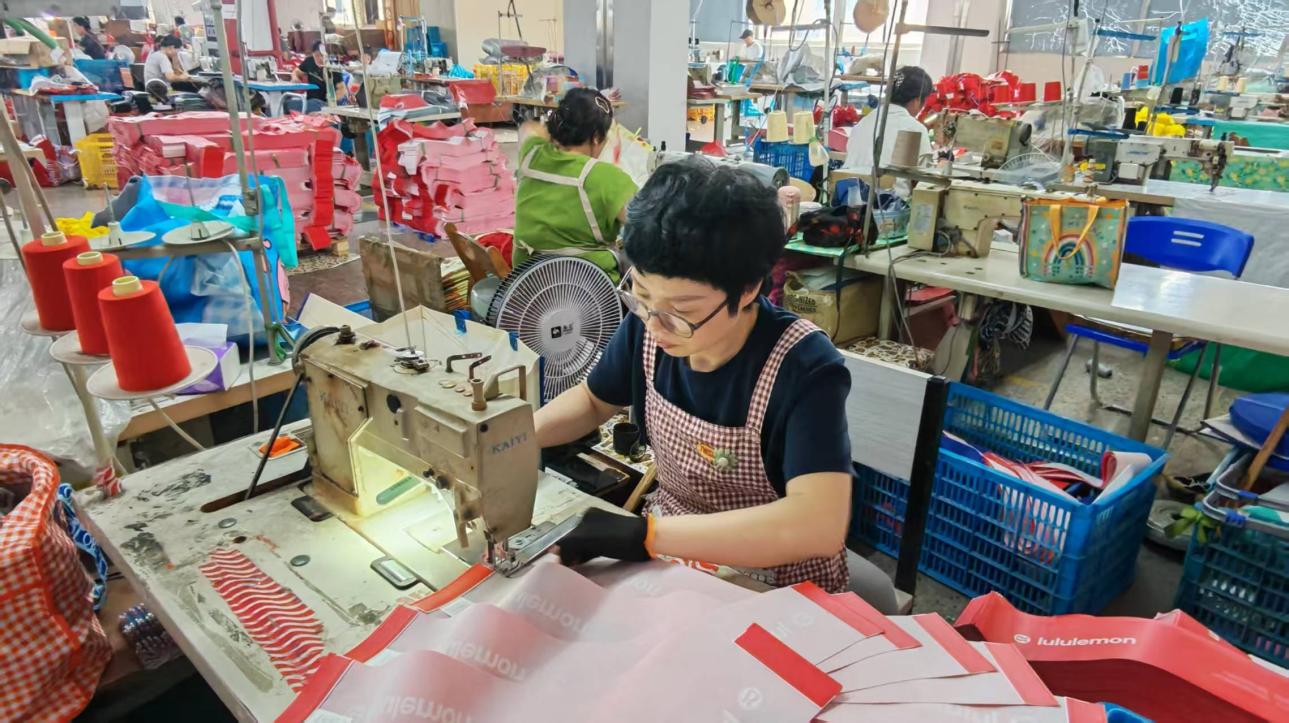
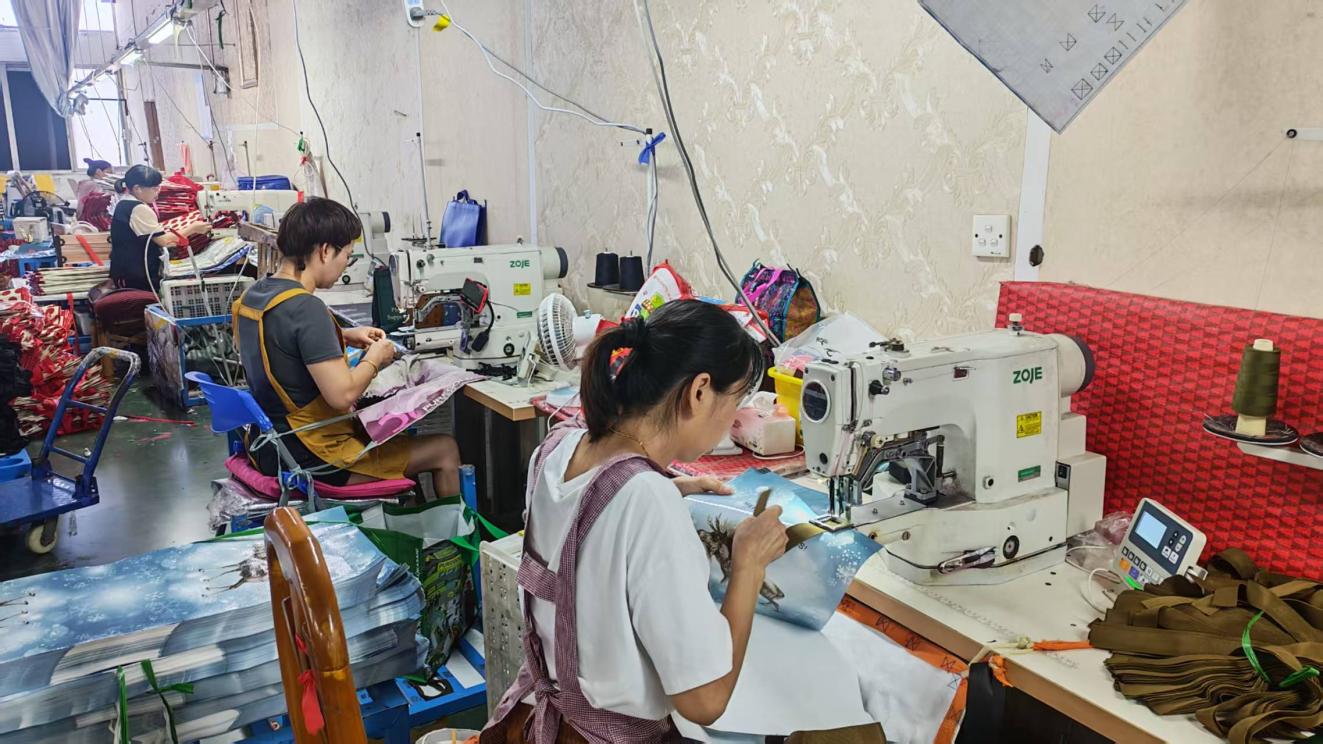
To ensure total transparency and meet strict compliance standards, our manufacturing processes are divided into distinct departments. Below is an authentic visual tour of our production facility in Shenzhen, where we transform raw canvas and technical fabrics into high-end retail packaging products:
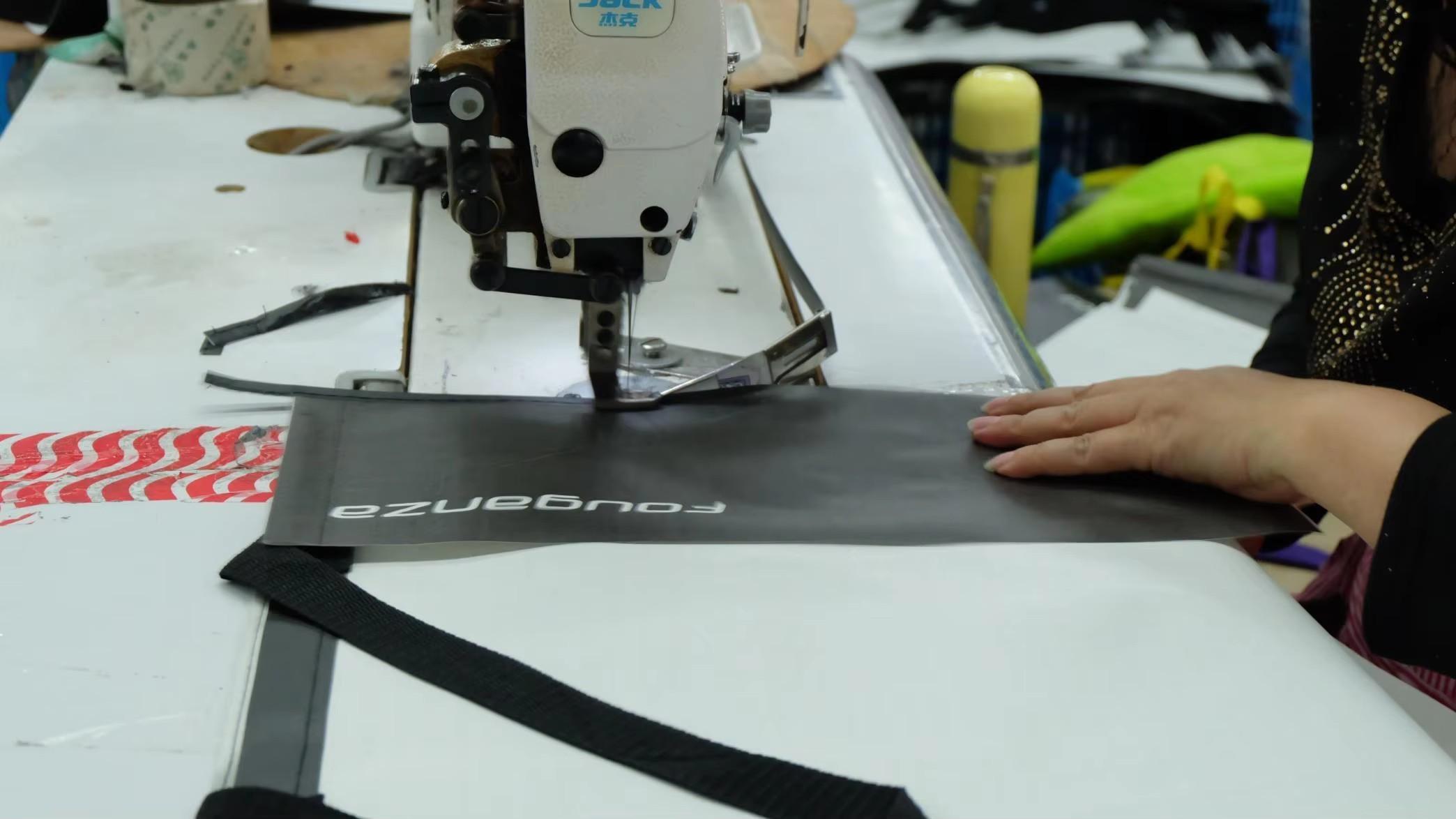
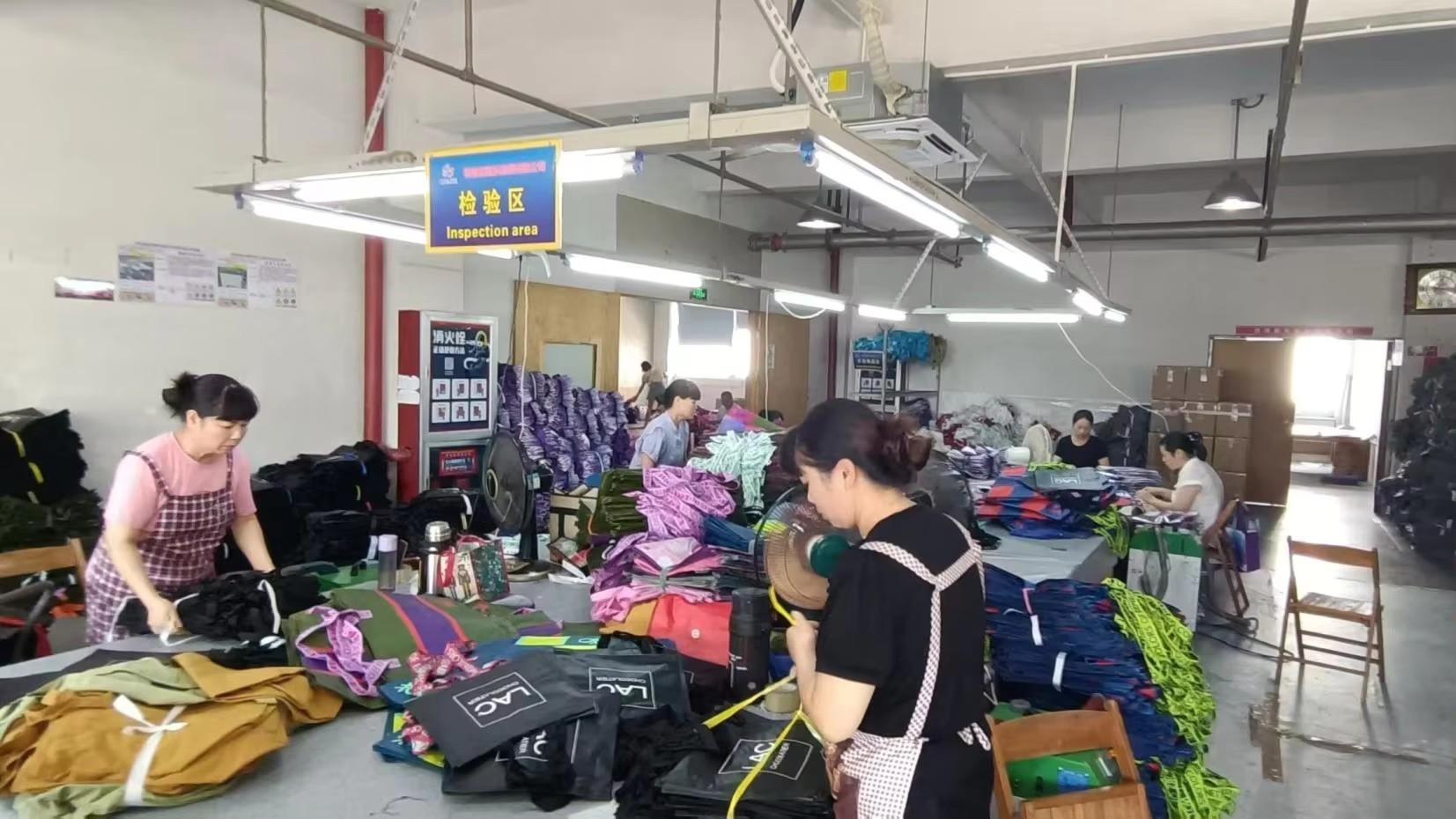
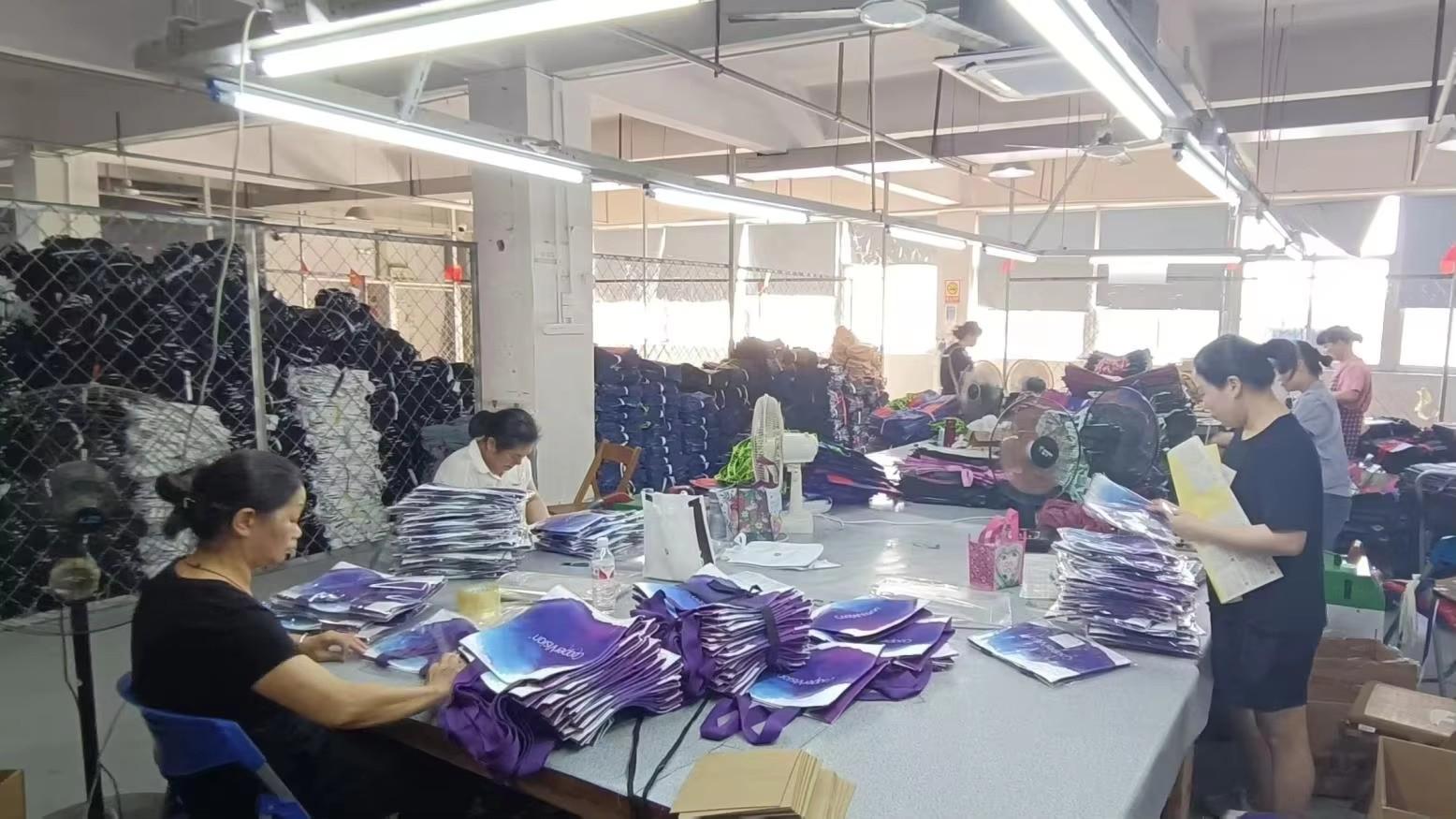
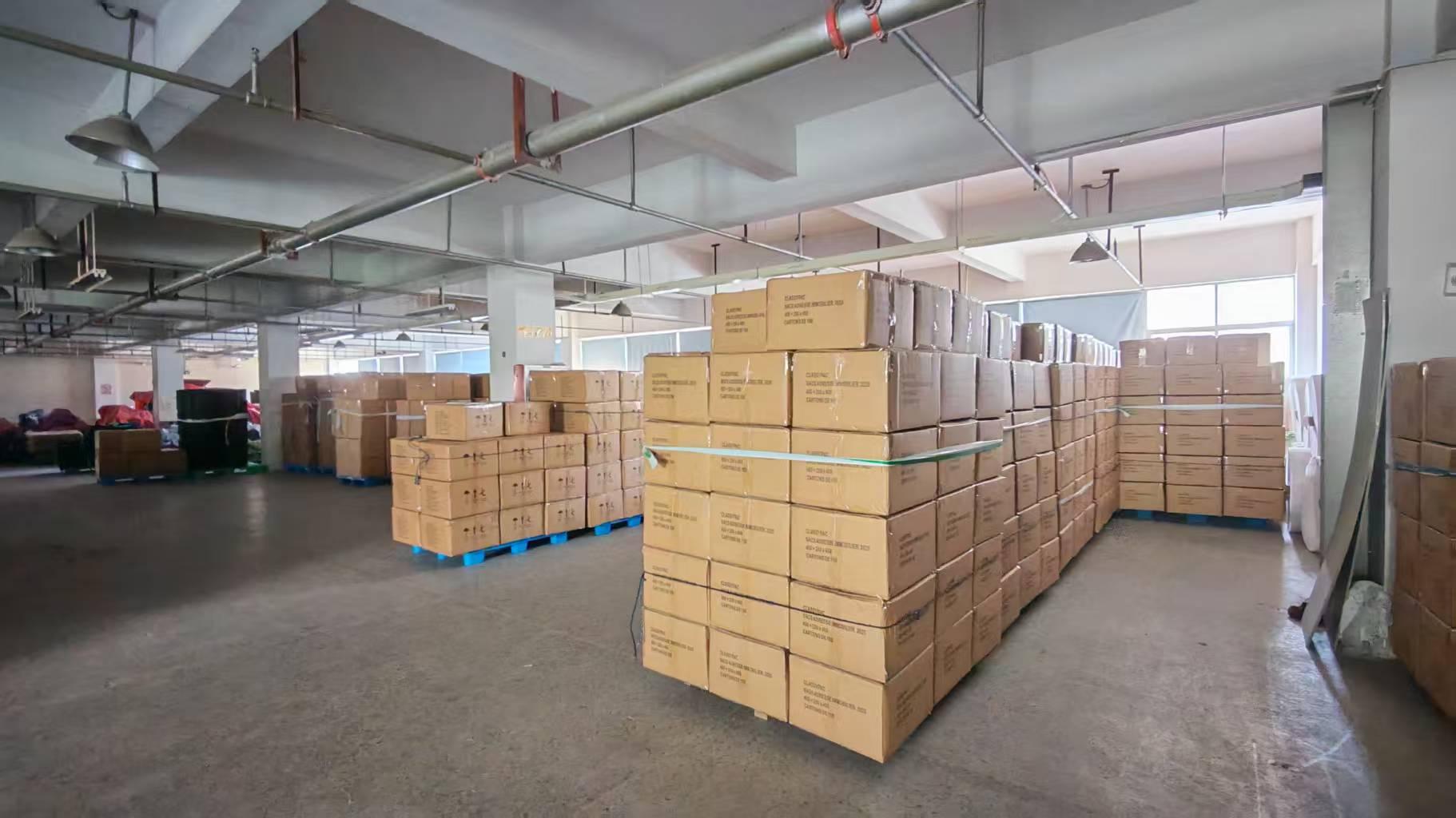
Cotton canvas and premium textile bags serve multiple market sectors, each requiring specific material selections and functional finishes:
Often use soft velvet or microfiber fabrics coupled with durable canvas exterior boxes. The focus is on tactile softness, spill-resistant linings, and pastel/metallic screen prints to align with prestige product launches.
Typically choose double-string suede leather and premium microfiber pouches with inner separator cards to prevent micro-abrasions, surface tarnishing, and impact damage during transit.
Benefit from lightweight or standard canvas shopper bags featuring large screen prints. Brands look for lower per-unit costs, long-term durability, and maximum logo visibility.
Choose thick, heavyweight organic linen or jute bags. The rustic aesthetic highlights natural quality, while the strong fibers support heavy glass bottles.
The global packaging sector is undergoing a regulatory transition. The European Union's Packaging and Packaging Waste Regulation (PPWR) and similar rules in North America are pushing businesses to reconsider their packaging materials. Under these guidelines, canvas packaging must fulfill several key requirements:
At Shenzhen LAHD Bag Co., Ltd., we meet these market requirements through a certified supply chain, providing transparent material sourcing and reliable product quality.
Our standard MOQ for custom sizes, materials, and prints is 1,000 pieces per design. However, for established clients or specialized material configurations (such as genuine leather blends or premium microfiber options), we can accommodate lower testing volumes starting at 500 pieces. Contact our sales department to discuss custom packaging solutions tailored to your project requirements.
We use high-grade thermoset inks and advanced screen-printing techniques, followed by precision heat curing. For complex artwork, we offer digital sublimation and high-density embroidery. These methods help ensure the printed design remains intact and fade-resistant during washing and extended use.
Yes. We source our raw materials from certified yarn producers and spinning mills. We can supply transaction certificates for Global Organic Textile Standard (GOTS) cotton and OEKO-TEX Standard 100 certificates upon order confirmation to support your brand's compliance documentation.
Custom digital prototyping typically takes 3 to 5 business days. Once the physical sample is approved, mass production takes between 15 to 25 calendar days, depending on order volume, material specifications, and the complexity of the custom details.
We offer a range of branding techniques, including water-based screen printing, plastisol print, metallic gold/silver foil stamping, digital heat transfer, dye-sublimation, and computer-guided direct embroidery. Our design team can help recommend the best method based on your artwork and canvas selection.
We perform quality checks at multiple stages: fabric inspection upon arrival, in-line inspections during cutting and sewing, and a final inspection of all finished bags before packaging. We follow standard AQL 2.5 quality control parameters to ensure consistent standards across every production batch.
Explore our selection of specialized fabric bags, including microfibers, faux suedes, and rustic natural fibers. These products are designed to meet diverse functional requirements and branding preferences.
 LAHD Bag